




Carved Wood Dresser Base
These heavy timber boards anchor a room, bringing working storage and carved detail into a hall or kitchen.
Carved Wood Dresser Base
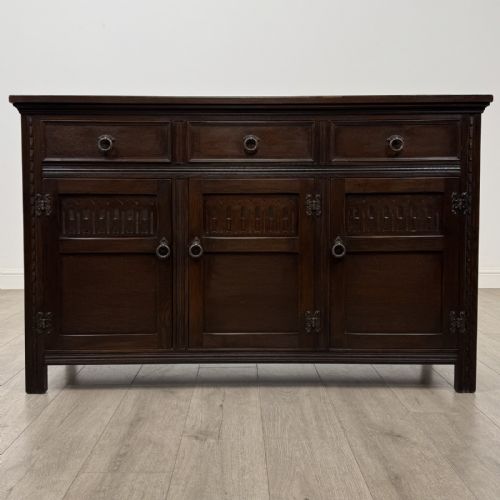
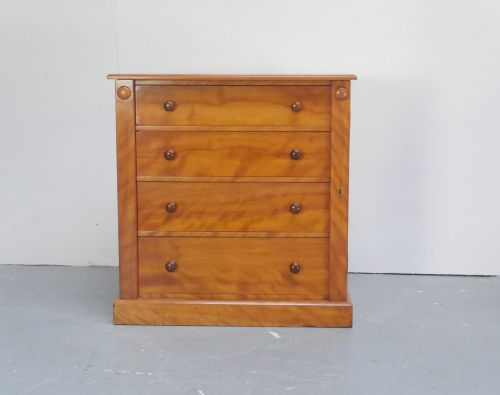
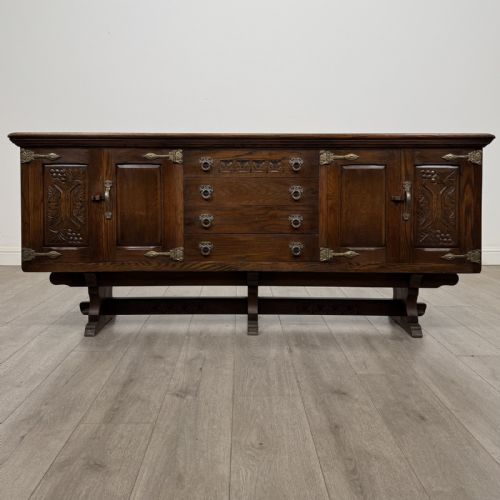
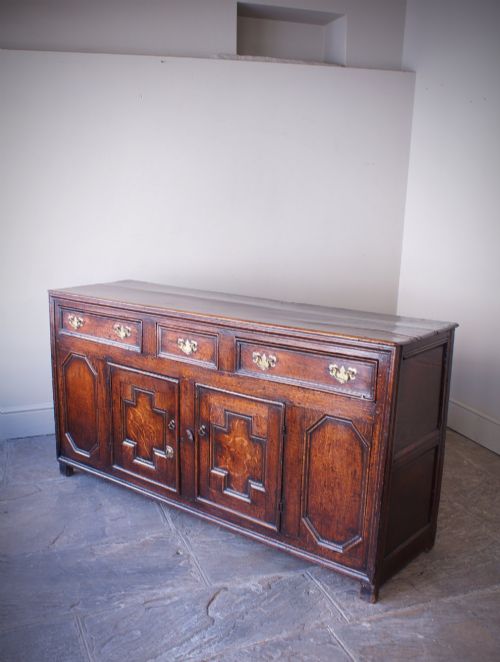
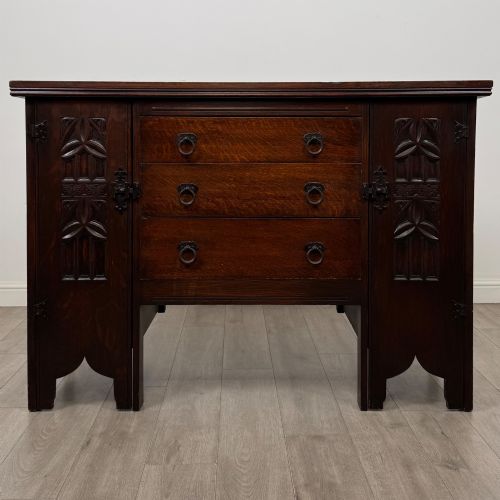
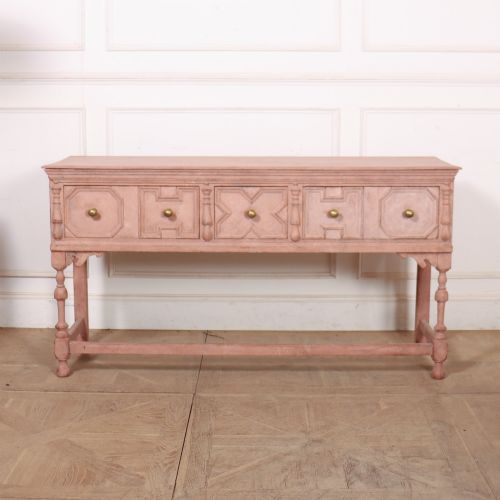
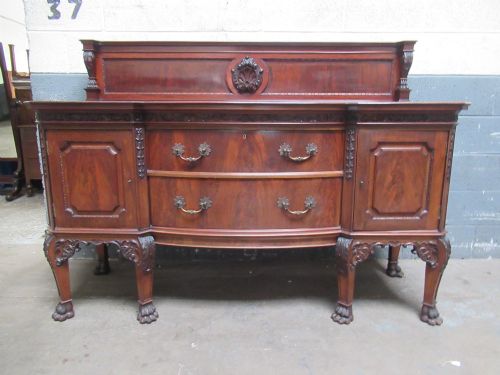
A carved wood dresser base provides low storage with a sturdy surface top, functioning traditionally as a preparation area or serving counter. When you search for a carved wood dresser base, you encounter sturdy low cabinets equipped with drawers, cupboards, or open potboards beneath the surface.
The pieces appearing here span from the 17th century through the Victorian and Edwardian eras up to the 1930s. Oak dominates the material record, accompanied by mahogany, walnut, pine, and cherry timbers.
Jacobean revival styles, English country pieces, and Gothic influences appear frequently among the listings. Many examples feature panelled doors and moulded drawer fronts rather than upper plate racks.
How they were made
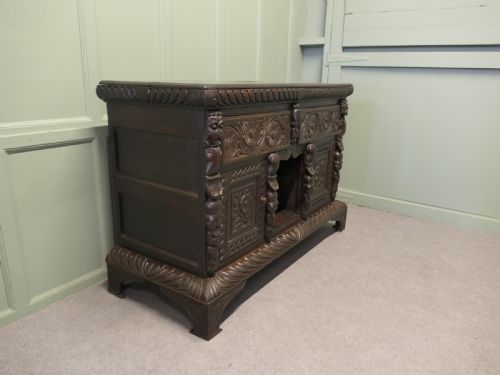
Makers built these pieces primarily from solid oak, mahogany, and walnut using traditional joinery methods such as mortise and tenon frames. Timber selection dictated whether the grain was left plain or enriched with deeply carved foliate patterns and green man motifs.
Brass or iron hardware secures the doors and drawers, while secondary timbers like pine frequently line the interior compartments. Surface finishes range from waxed polishes on bleached oak to painted coatings on country kitchen pieces.
Carved Wood Dresser Base Retail Price Guide 2026
Typical asking prices for carved wood dresser base among the pieces listed under this phrase on Sellingantiques today, from the lower quarter to the upper quarter. They describe what is for sale here now, not the wider market.
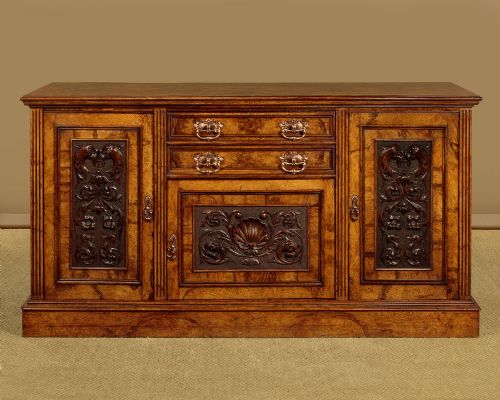
A grinning green man peers through carved oak leaves, watching over centuries of kitchen preparations.
What varies in quality
Depth and crispness of the carving distinguish standard regional joinery from finer workshop production. Heavy relief work, such as floral panels or figural corbels, requires skilled hand chiselling that commands attention.
Timber selection and structural integrity set individual items apart, particularly the thickness of the top boards and the tightness of the drawer joints. Surviving original hardware and untouched patination elevate the standing of any baseline cabinet.
The Carved Wood Dresser Base Glossary
- Potboard
- An open slatted lower shelf beneath a dresser base designed for storing heavy earthenware vessels. This lower platform provides rigid structural bracing between the legs.
- Green man
- A sculptural architectural ornament depicting a human face entwined with foliage and vines. Carvers placed these motifs on panels and drawer fronts during revival periods.
- Stretcher base
- A system of horizontal wooden bars connecting the lower legs to increase stability. These rails prevent the frame from wobbling under heavy household use.
- Court cupboard
- A heavy enclosed wooden sideboard featuring recessed upper sections supported by carved columns. These early forms offer deep storage compartments behind panelled doors.
- Chiffonier
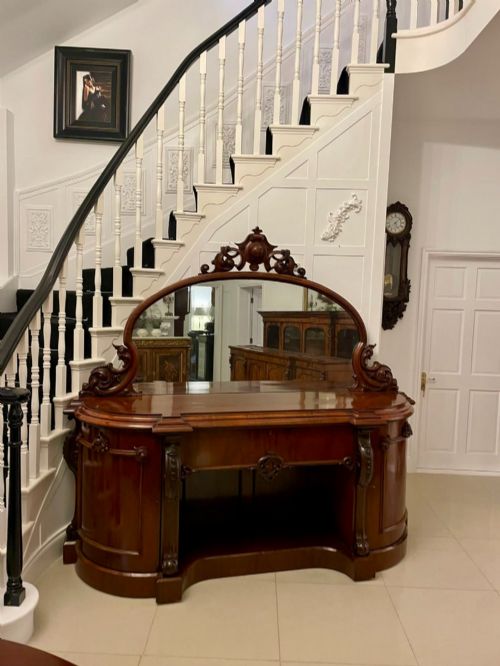
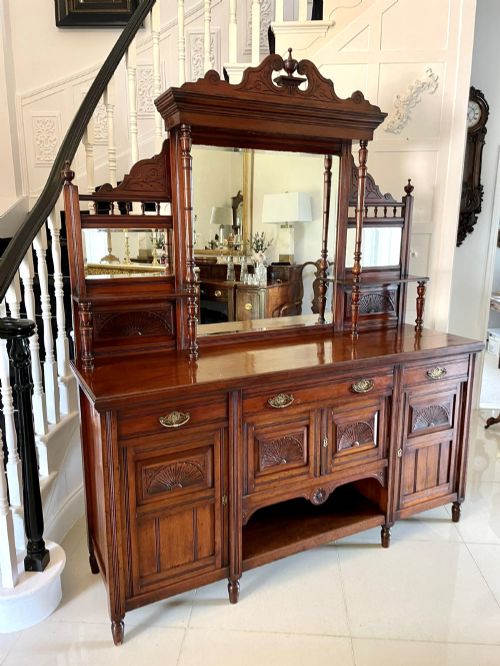
- A compact sideboard fitted with low cupboards and a raised shelf or mirror back. Makers produced these primarily during the Victorian period for entertaining spaces.
Carved Wood Dresser Base: Frequently Asked Questions
Where did people use these bases?
Households placed these heavy low boards in kitchens, dining rooms, and hallways for food preparation, storage, and serving.
Their robust timber construction allowed them to withstand daily domestic labour without losing structural stability.
How do I clean a waxed oak surface?
Maintain the timber by applying a traditional beeswax polish with a soft cloth and buffing it gently.
Avoid using modern liquid sprays or silicones, which can damage the historic wax finish and attract dust.
Are these bases heavy to move?
Solid oak and mahogany construction makes these pieces exceptionally heavy and robust.
Two people are usually required to lift a dresser base safely without straining the joints.
Can I use a dresser base as a sideboard?
These low cabinets function perfectly as sideboards in modern dining rooms or living areas.
Their proportions provide ample surface space and deep drawer storage suited to contemporary living.