





Carved Wood Drawer Unit
These carved wood drawer unit selections offer practical storage shaped by regional cabinet-making traditions from the seventeenth century through to the twentieth.
Carved Wood Drawer Unit
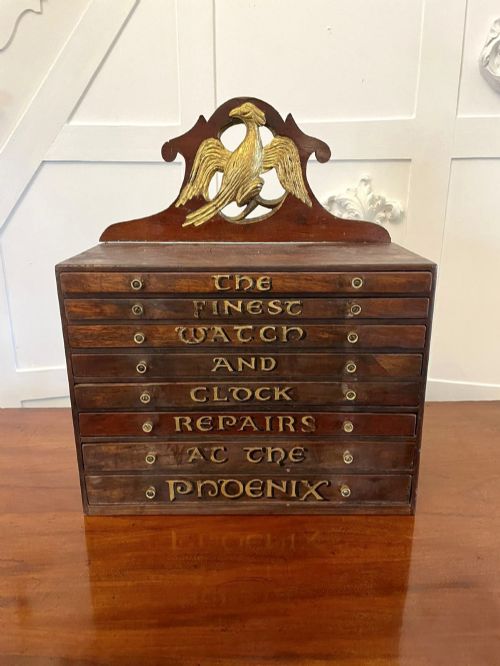
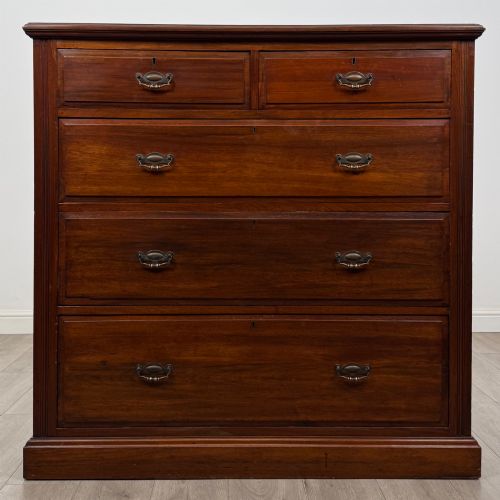
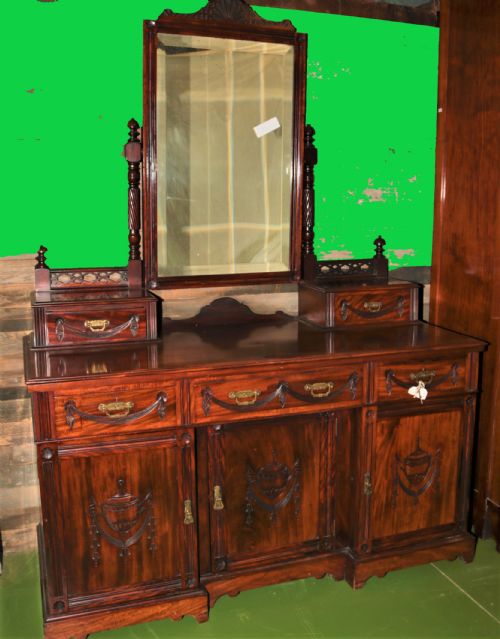
A carved wood drawer unit encompasses practical storage forms ranging from compact Victorian watch and clock repairer chests to substantial Edwardian walnut chests of drawers with two over three arrangements. Buyers searching for a carved wood drawer unit will encounter various configurations including dressing chests, washstands, and bookcases featuring lower drawers.
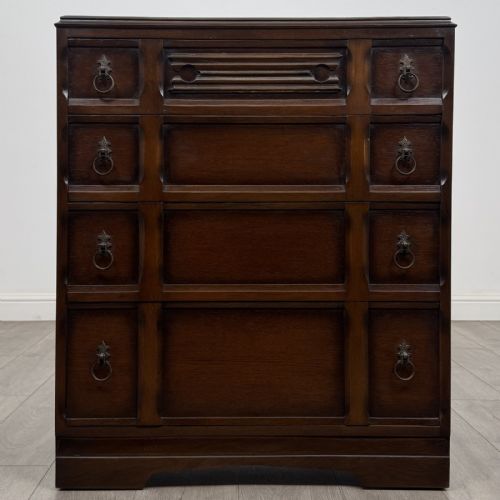
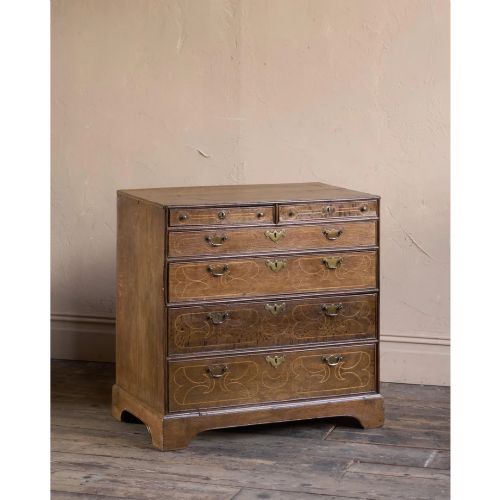
The selections span distinct historical periods, featuring seventeenth-century William and Mary oak examples with inlay alongside twentieth-century oak chests with raised galleries. French provincial influences also appear among the pieces, notably through items such as carved oak washstands and palisander chests.
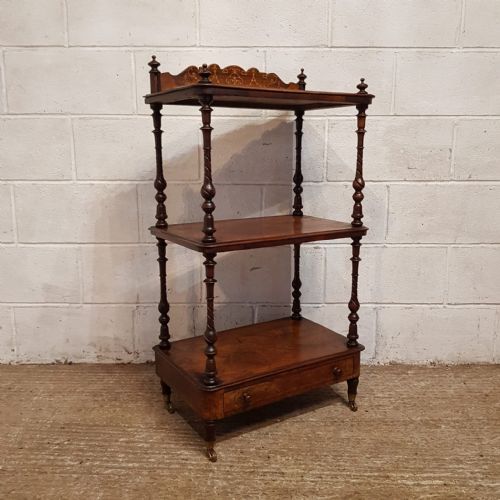
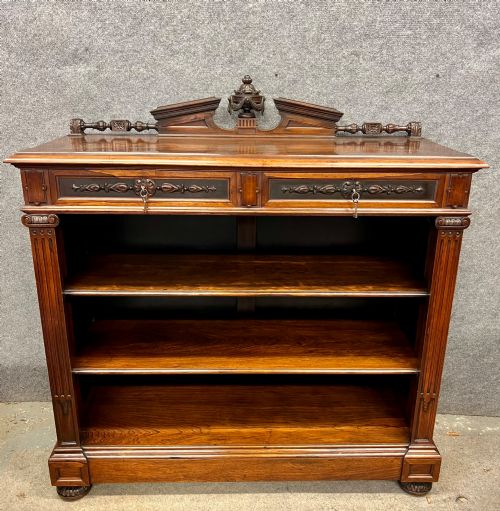
Object types frequently combine storage with display, incorporating open bookcases with lower drawers, multi-wood Gothic style dressers, and burr walnut whatnots. These functional items reflect the domestic requirements of their respective eras, utilising various timber species to achieve both utility and decorative presence.
What varies in quality
Quality reveals itself in the selection of timber veneers, such as burr walnut or palisander, and the precision of inlaid fruitwood details. The depth and execution of carved ornamentation further distinguish standard production from finer cabinet-making.
Structural integrity depends upon the joinery employed within the drawer units and the retention of original hardware, such as brass pulls and glass elements. Pieces demonstrating cohesive period styling, whether William and Mary or Gothic revival, hold greater stylistic clarity.
Carved Wood Drawer Unit Retail Price Guide 2026
Typical asking prices for carved wood drawer unit among the pieces listed under this phrase on Sellingantiques today, from the lower quarter to the upper quarter. They describe what is for sale here now, not the wider market.
Listings feature oak, mahogany, walnut, burr walnut, and rosewood across nineteenth-century, Edwardian, and seventeenth-century periods.
The Carved Wood Drawer Unit Glossary
- Raised gallery
- A low decorative railing or shelf fitted to the top surface of a chest or cabinet. It prevents items from sliding off and adds vertical emphasis.
- Burr walnut
- Timber taken from a growth on a walnut tree, prized for its swirling, highly figured grain pattern. It was frequently used for veneering high-status Victorian furniture.
- Washstand
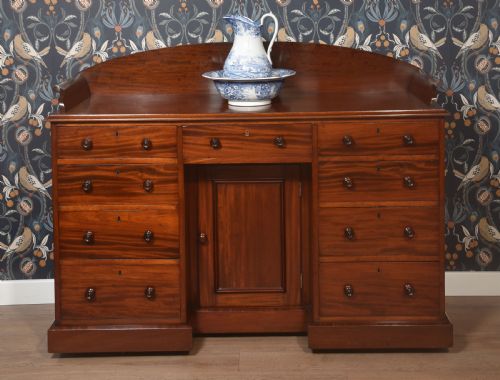
- A dedicated piece of bedroom furniture designed to hold a basin and pitcher, often incorporating marble tops and lower storage drawers. They became common in nineteenth-century domestic interiors.
- Whatnot
- An open set of multi-tiered shelves used for displaying ornaments and small objects, sometimes fitted with a lower drawer. These pieces gained popularity during the Victorian period.
- Fruitwood inlay
- Decorative patterns inserted into the surface of a primary timber using lighter or darker fruit tree woods. This technique provides contrast and pictorial detail.
Carved Wood Drawer Unit: Frequently Asked Questions
What is a carved wood drawer unit?
A carved wood drawer unit is a piece of furniture designed for storage, featuring integrated drawers and decorative carved detailing. These items range from small specialised chests to full-sized dressing tables and bookcases.
Such furniture serves both functional and aesthetic roles within a room, combining compartments for belongings with traditional craftsmanship styles spanning several centuries.
How do I identify an Edwardian drawer unit?
Edwardian drawer units typically date from the early twentieth century and often feature lighter timbers, simpler lines, and restrained ornamentation compared to heavy Victorian designs. Common configurations include two small drawers over three larger ones.
These pieces reflect a shift towards brighter, more manageable domestic interiors while maintaining traditional joinery methods and practical storage capacities.
Where were these drawer units used?
These units were primarily utilised in domestic bedrooms, studies, and specialised workshops for organising personal items, documents, or repair tools. Washstands and dressing chests specifically served bedroom hygiene and grooming routines.
Larger variations such as bookcases with lower drawers functioned in libraries and parlours, providing both display space for books and enclosed storage for smaller articles.
How do I care for antique wood drawers?
Caring for antique wood drawers involves keeping them away from direct heat sources and drastic humidity changes to prevent timber splitting or veneer warping. Regular dusting with a soft, dry cloth preserves the finish.
Applying appropriate wax polishes periodically helps nourish the wood and maintain its natural lustre without building up excessive residue on carved details.