
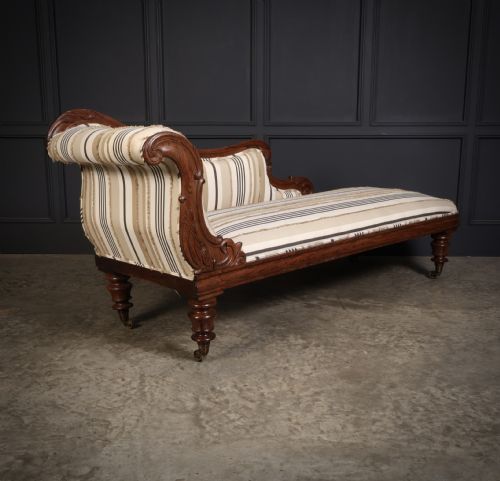


Carved Wood Chaise Longue
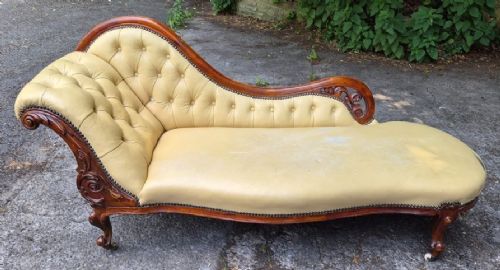
A carved wood chaise longue combines architectural presence with reclining comfort, offering a distinctive seating option shaped by nineteenth-century and early twentieth-century design.
Carved Wood Chaise Longue
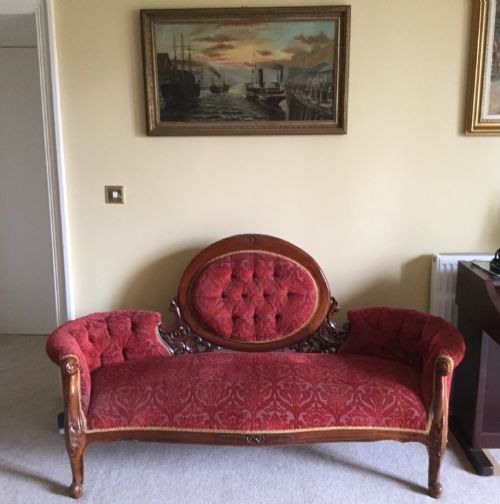
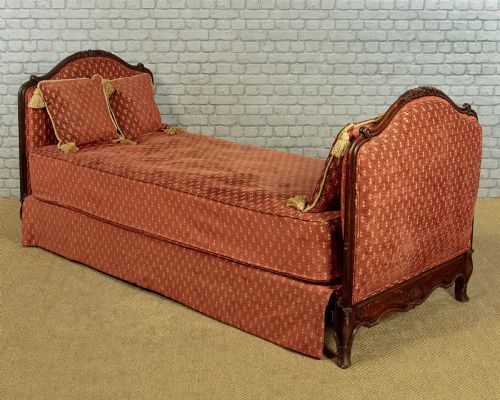
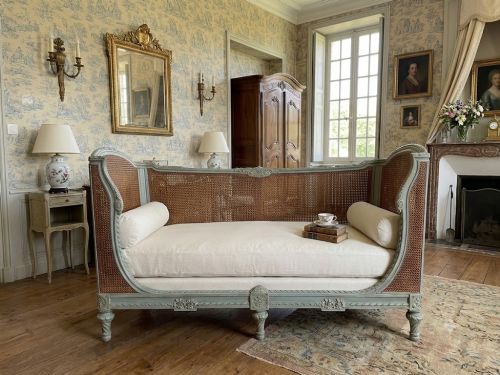
A carved wood chaise longue appears in several distinct structural formats across the Victorian, Edwardian, and Regency periods. The inventory on this page ranges from substantial double-ended sofas and scroll-armed settees to multi-piece day beds and miniature furniture.
The most common examples you will encounter are nineteenth-century Victorian walnut and mahogany pieces, alongside lighter Edwardian designs in solid oak. Pieces extend from mid-nineteenth-century William IV rosewood variants up to early twentieth-century painted day beds and French revival styles.
Judging execution
Quality separates through the crispness of the hand carving on the wooden frames and the selection of primary timbers like figured rosewood or dense mahogany. Superior pieces maintain structural integrity in their scroll arms and double-ended backrests without relying on excessive secondary reinforcement.
The sophistication of the upholstery work, the retention of original gilding or paint, and the balance of proportion between the timber frame and the reclining platform distinguish finer examples from standard production.
Materials documented in the inventory include mahogany, walnut, rosewood, oak, beech, brass, cane, and various decorative fabrics.
The Carved Wood Chaise Longue Glossary
- Chaise longue
- An upholstered long chair or day bed designed for reclining, typically featuring an elevated backrest at one end or a central double-ended design. The term translates from French as long chair.
- Day bed
- A piece of furniture serving as a sofa by day and a bed by night, encompassing various revival styles and frame materials. They appear in both single-piece formats and multi-part configurations.
- Double ended sofa
- A seating form featuring raised backrests or scroll ends at both sides rather than a single headrest. This symmetrical arrangement allows reclining from either direction.
- Showwood
- Exposed timber framing on an upholstered piece where the polished wood acts as a primary decorative element. It highlights the grain and carving of walnut or mahogany rather than concealing the structure beneath fabric.
- Giltwood
- Timber coated with a thin layer of gold leaf or gilt decoration, frequently seen on French style and revival day beds. This finish adds bright reflective qualities to ornate carved details.
Carved Wood Chaise Longue: Frequently Asked Questions
What is a carved wood chaise longue?
A carved wood chaise longue is a traditional reclining seat featuring a timber frame and upholstered surface, designed for resting in a semi-recumbent position.
These pieces combine the functions of a sofa and a bed, originating primarily across nineteenth-century and early twentieth-century workshops.
How were day beds used historically?
Day beds served as versatile seating furniture for daytime lounging, reading, or resting in drawing rooms and boudoirs.
Their open construction allowed them to function in formal reception spaces without taking up the full footprint of a bed.
How do I identify a Victorian chaise longue?
Victorian examples typically feature dark timber frames in walnut or mahogany, substantial scroll arms, and deep buttoned or brocade upholstery.
They often display robust hand-carved detailing and sturdy sprung bases characteristic of mid-to-late nineteenth-century cabinetmaking.
Can I use a chaise longue daily?
A vintage chaise longue functions well for daily seating when the underlying frame and sprung base remain structurally sound.
Many surviving pieces have undergone re-upholstery in modern fabrics to support contemporary domestic use.