


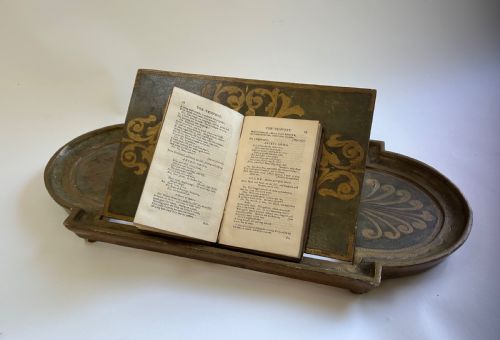
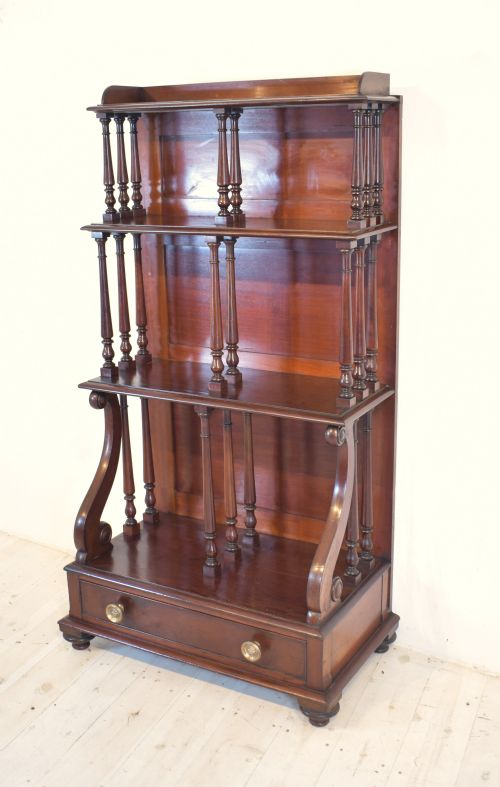
Carved Wood Book Stand
A carved wood book stand brings character to a desk or table, holding volumes close at hand with traditional craftsmanship.
Carved Wood Book Stand
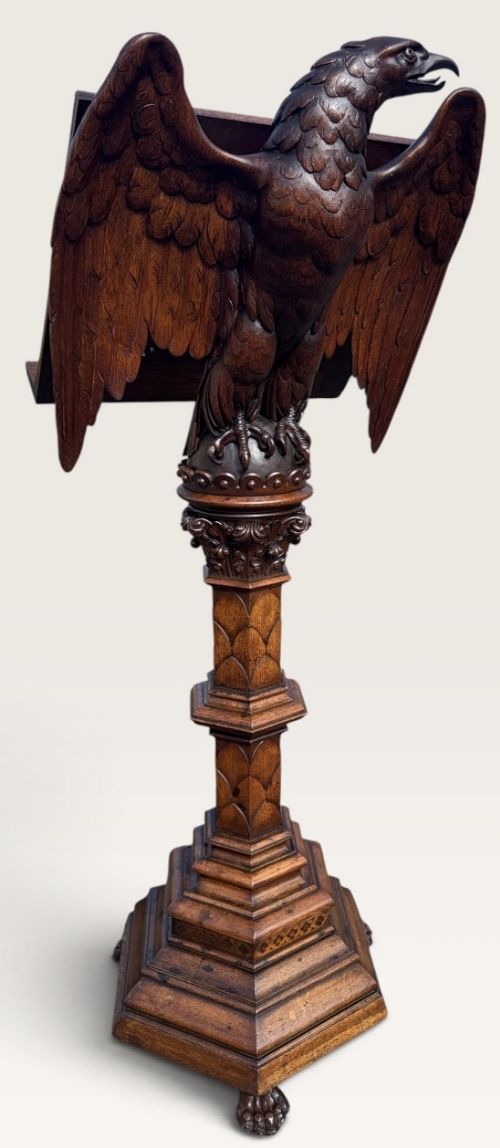
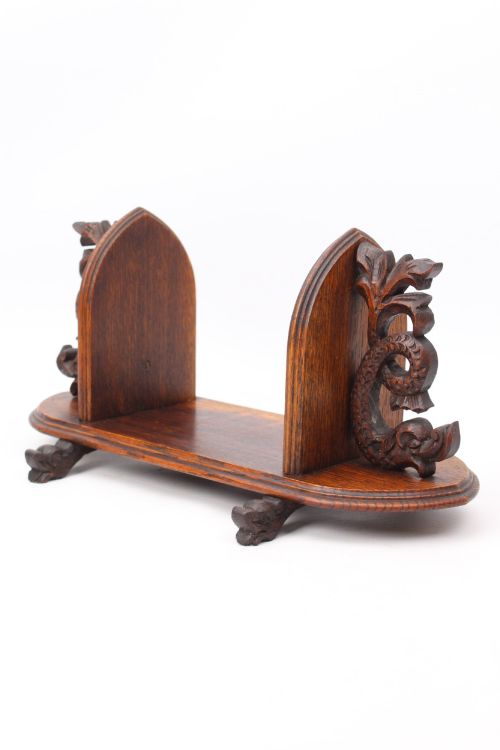
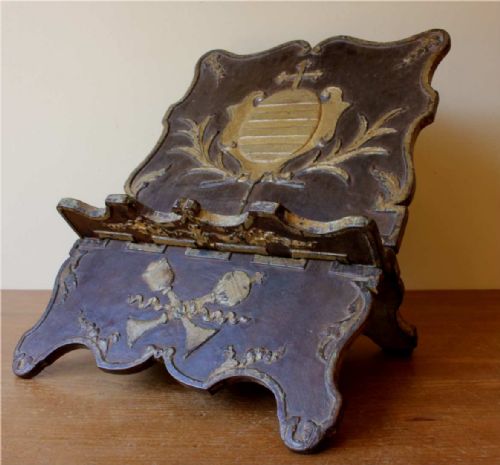
A carved wood book stand serves as a practical desktop accessory or tabletop support for volumes, ledgers and folios. When exploring carved wood book stand options, buyers encounter everything from compact extending slides to architectural lecterns and pivoting desk units.
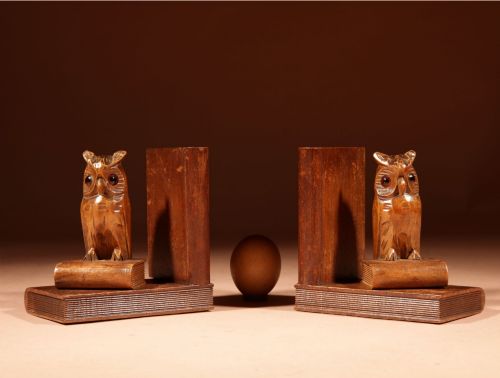
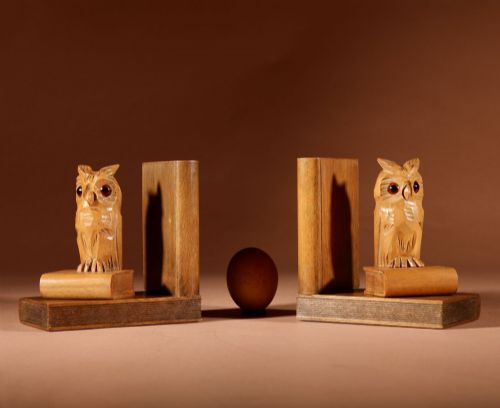
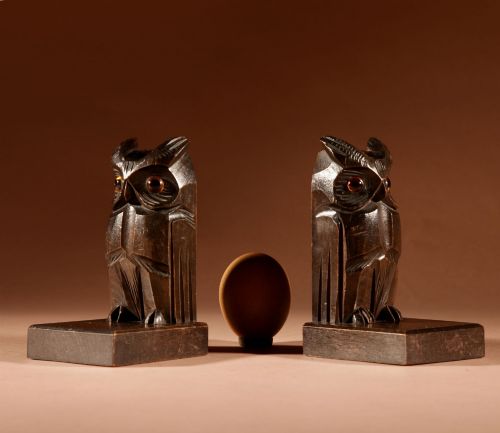
The selections span distinct historical periods, with Victorian and Edwardian examples appearing frequently alongside earlier 19th Century and Regency designs. Forms range from simple folding rests and owl-carved Black Forest pairs to elaborate Florentine and Anglo-Indian variants.
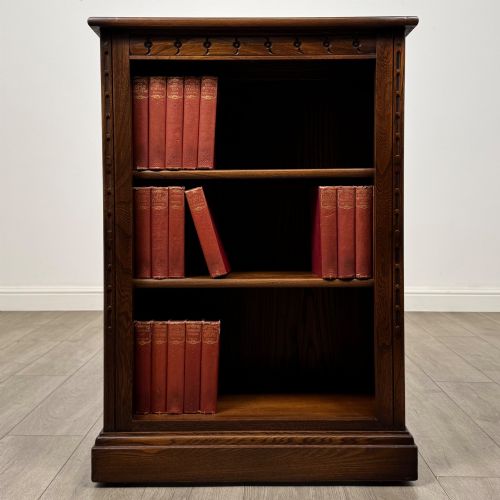
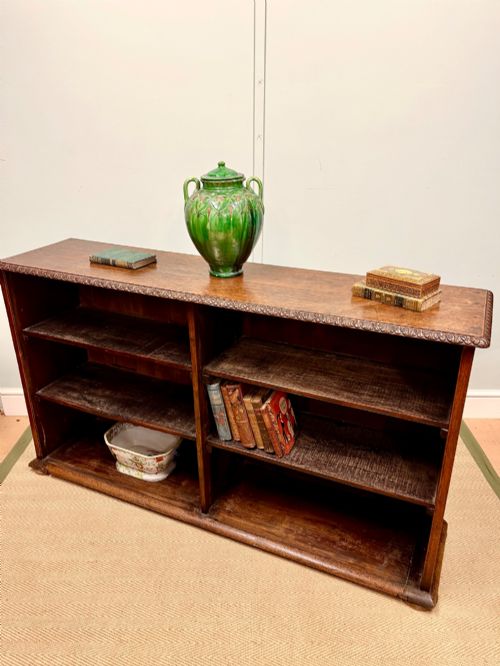
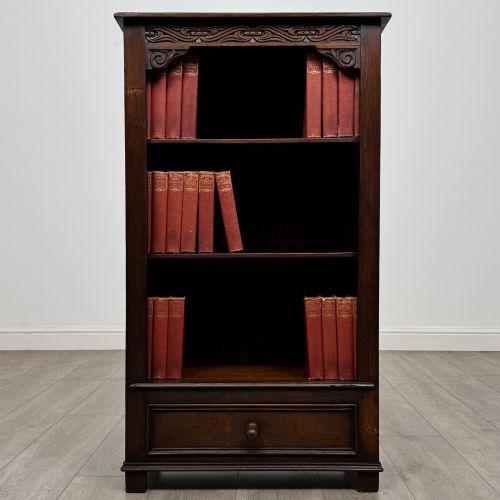
Makers utilised various formats to suit domestic or ecclesiastical spaces, producing items like table-top revolving cases and portable bookshelves. Oak, teak, rosewood and linden wood dominate the physical forms, often enriched by regional carving traditions.
Materials and construction methods
Makers relied on durable timbers such as oak, mahogany, walnut and exotic woods like rosewood and teak to build sturdy book supports. Linden wood and olive wood provided softer mediums suited to intricate figurative and floral relief carving.
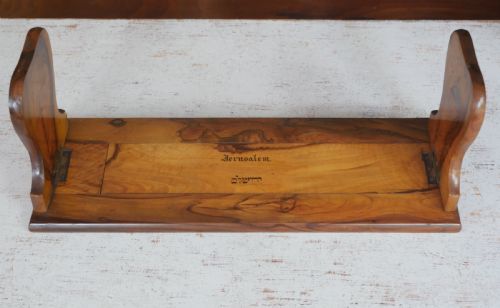
Manual techniques governed the creation of these pieces, employing dovetail joints, brass hinges for folding actions, and mother-of-pearl inlay for decorative contrast. Artisans carved motifs directly into the solid timber or applied turned spindles and applied mouldings.
Several Victorian and Edwardian stands feature pairs of wide-eyed Black Forest owls staring attentively across the desk.
Distinguishing quality in carved pieces
Quality rests in the crispness and depth of the hand-carved details, distinguishing sharp, expressive animal or floral motifs from shallow, mechanical factory work. The choice of timber also dictates standard, with dense rosewood, figured mahogany and well-figured oak holding greater visual weight.
Mechanisms define functional merit, seen in the smooth operation of extending book slides, pivoting brass screws on reading pedestals, and stable joints on revolving table stands. Good proportion and balanced symmetry complete the standard of a superior piece.
Shapland & Petter·Waring and Gillows
The Carved Wood Book Stand Glossary
- Book slide
- An extending wooden stand designed to sit on a desk and hold a row of books upright between two upright ends. The expanding base adjusts to accommodate changing numbers of volumes.
- Black Forest
- A regional style of carving originating in Switzerland and Germany during the 19th century, known for realistic representations of animals, particularly owls and bears, rendered in Linden wood.
- Lectern
- A tall stand with a slanted top used to support a book for reading aloud, frequently encountered in church or library settings from the Gothic Revival and earlier periods.
- Étagère
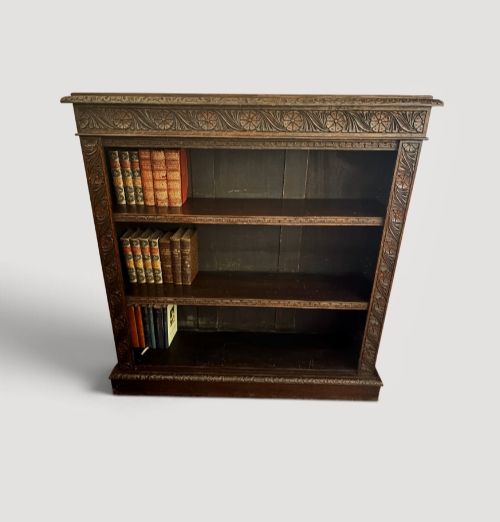
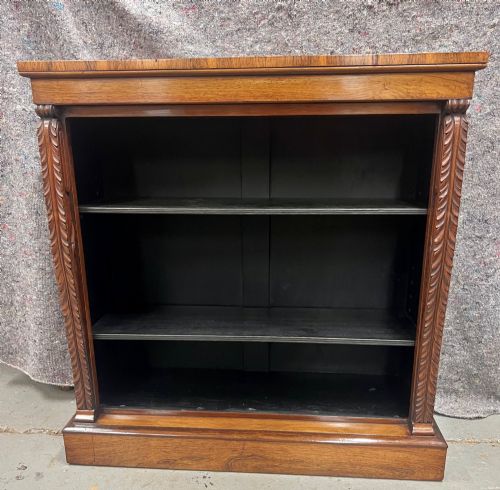
- A piece of furniture consisting of open shelves for displaying small objects or books, often combining slender vertical supports with decorative carved galleries.
- Revolving bookcase
- A compact bookcase mounted on a rotating base that allows users to access volumes from multiple angles while sitting at a desk or table.
Carved Wood Book Stand: Frequently Asked Questions
How do I date a wooden book stand?
Dating relies on combining the timber, the style of carving, and any mechanical hardware present. Victorian and Edwardian pieces often feature heavy oak or rosewood with revivalist motifs like Gothic or Jacobean details.
Earlier Regency and 19th-century examples show lighter mahogany frames or distinct regional carving styles, such as Anglo-Indian teak or Black Forest linden wood. Hardware like handmade brass screws or hinges provides further clues to the decade of manufacture.
Where should I place a desk stand?
A desk stand or revolving bookcase works best on a sturdy library table, partner's desk, or low cabinet where it remains easily reachable. Placing it out of direct sunlight prevents the timber and polish from drying out.
Ensure extending slides have adequate clearance on the desktop to expand and contract without scratching surrounding furniture. Freestanding lecterns suit corners or study spaces with sufficient floor area.
How do I care for antique wood?
Maintain the finish by dusting regularly with a soft, dry cloth and avoiding modern silicone-based polishes. Occasional application of a quality beeswax helps nourish older timber and preserves the natural lustre of the grain.
Keep pieces away from direct heat sources and dramatic humidity fluctuations, which can cause wood to warp or carved joints to separate. Gentle handling of moving parts, such as extending slides and brass pivots, ensures the hardware remains secure.