

Carved Wood Bedroom Furniture
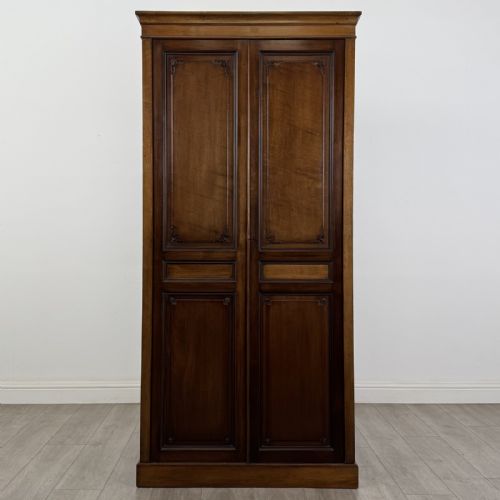
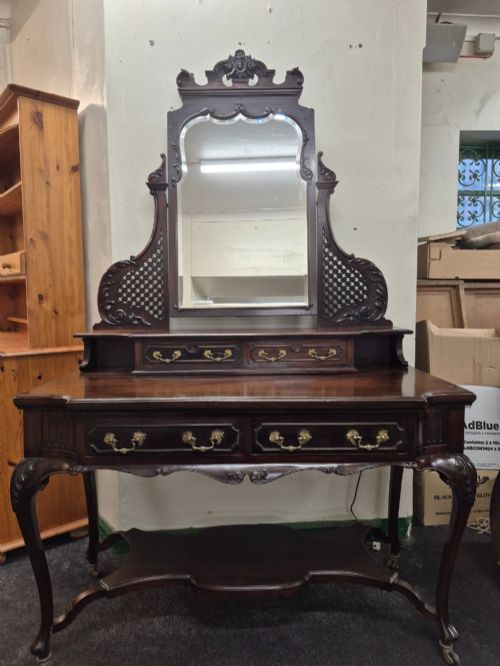
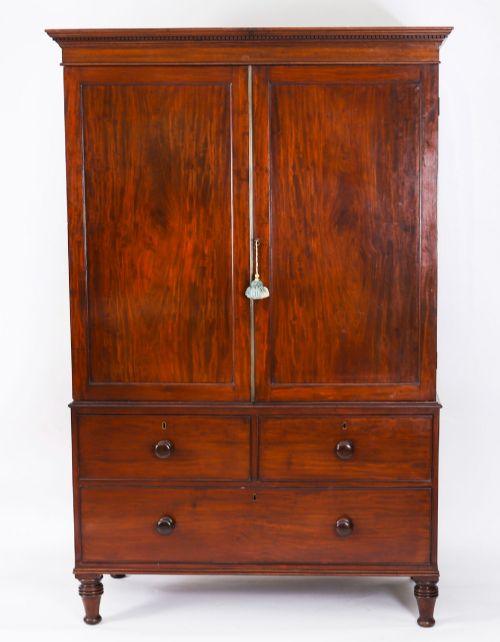
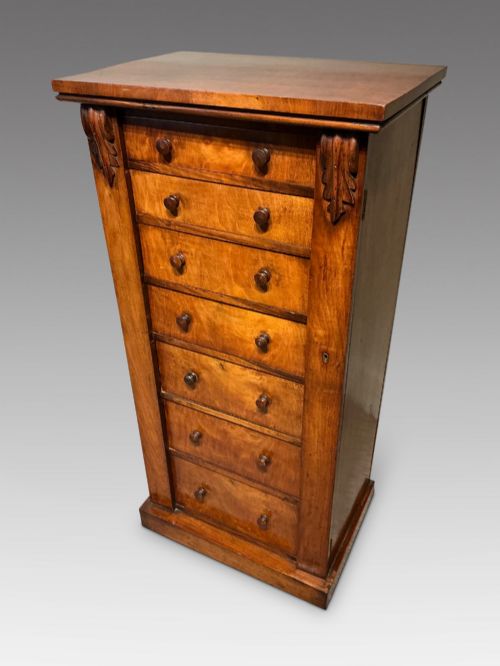
Carved wood bedroom furniture brings solid construction and rich timber grains into domestic spaces, ranging from modest bedside cabinets to full wardrobes.
Carved Wood Bedroom Furniture
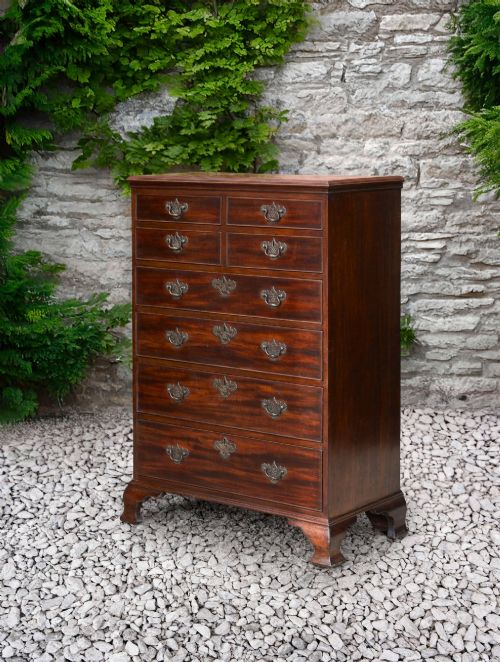
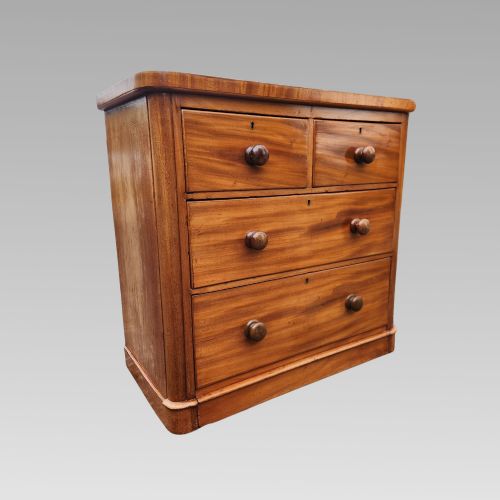
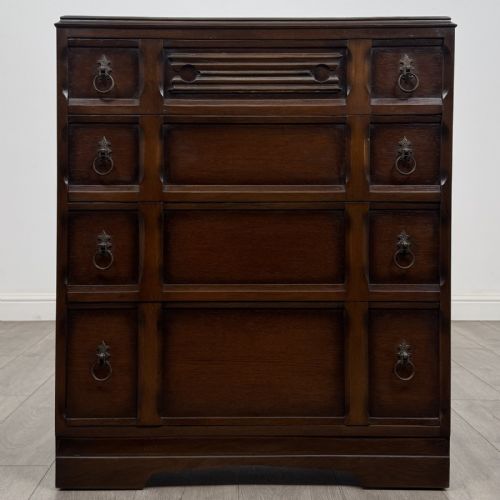
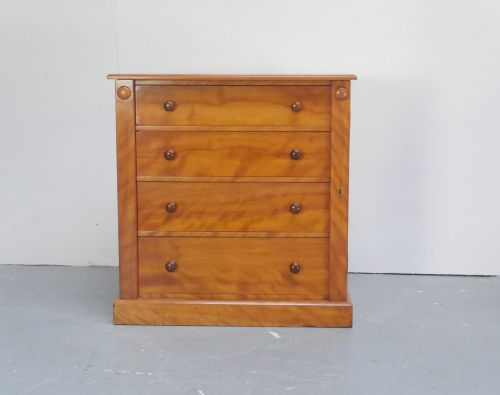
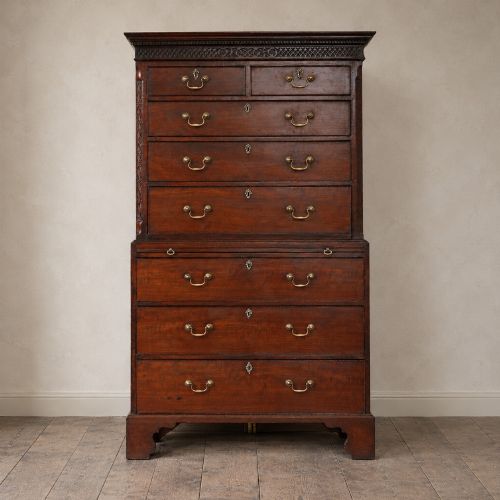
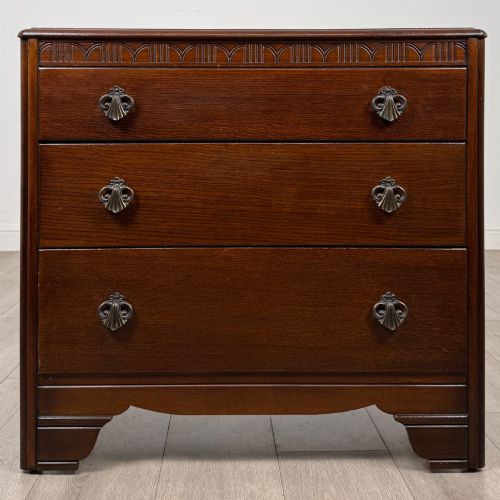
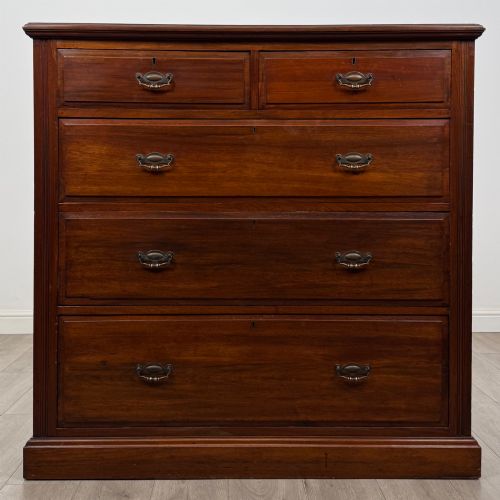
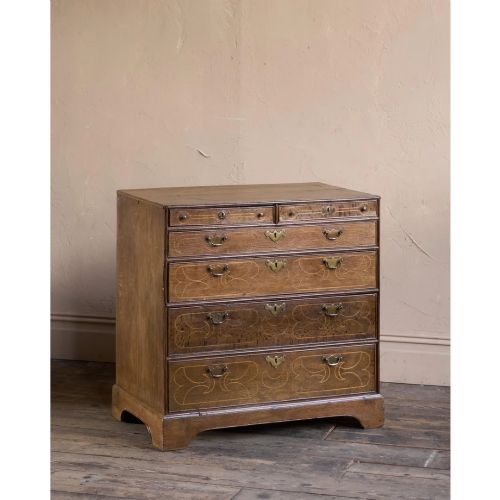
The selection leans heavily toward Victorian and Edwardian examples, alongside occasional 17th-century oak pieces and 18th-century commodes. Chests of drawers in mahogany, oak, and walnut dominate the offerings, frequently accompanied by matching dressing tables and larger storage wardrobes.
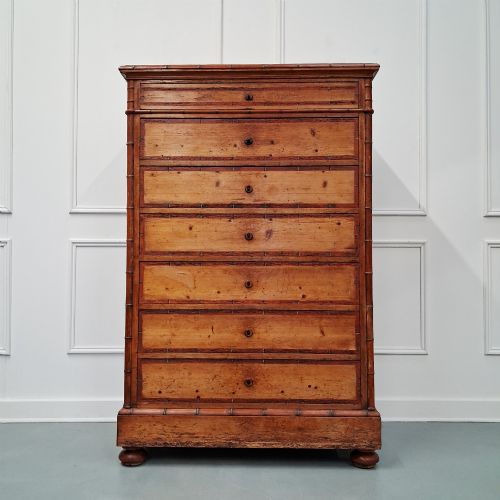
Regional variations also appear through French Provincial styling, Swedish birch chests, and Anglo-Indian side chairs. These diverse forms provide functional storage and seating while displaying period carving techniques across multiple European and global traditions.
Materials and construction methods
Makers utilised hardwoods such as mahogany, oak, walnut, burr walnut, and satinwood, occasionally incorporating secondary timbers like ash and birch. These dense woods provided the structural integrity required for large wardrobes, beds, and heavy chests of drawers.
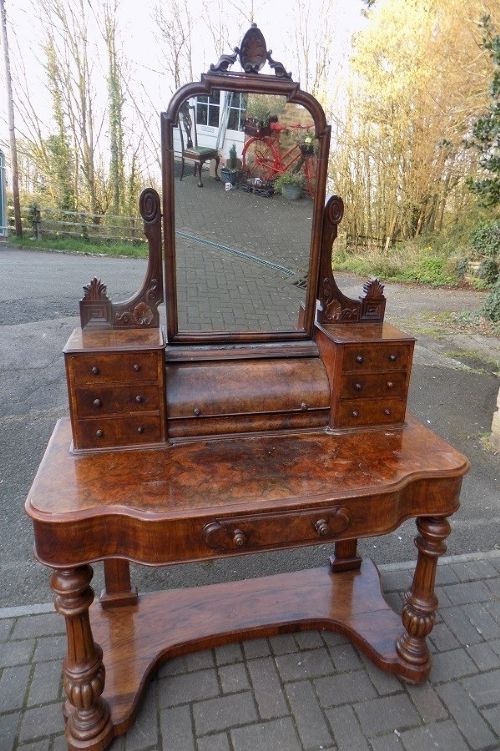
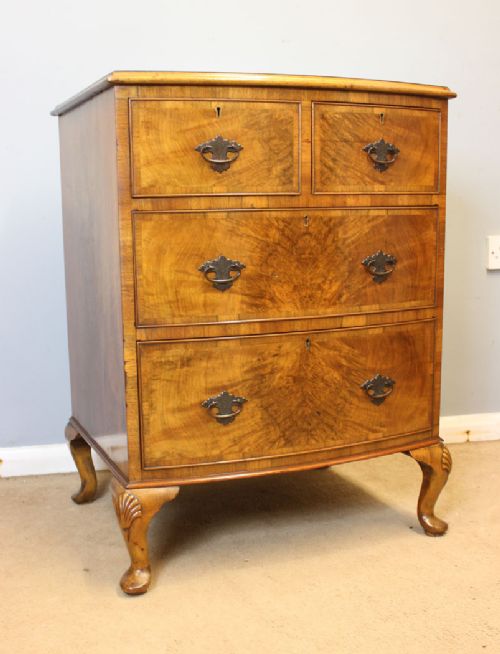
Decoration relied heavily on direct carving into the solid timber or applying figured veneers such as burr walnut to prominent surfaces like drawer fronts and tabletops. Cabinet makers combined these carved and veneered elements with brass hardware, glass panels, and fabric upholstery where appropriate.
Carved Wood Bedroom Furniture Retail Price Guide 2026
Typical asking prices for carved wood bedroom furniture among the pieces listed under this phrase on Sellingantiques today, from the lower quarter to the upper quarter. They describe what is for sale here now, not the wider market.
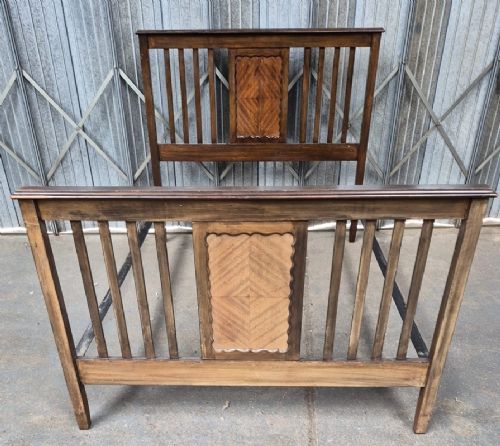
Some Victorian beds are built to super king proportions, proving that historical sleepers enjoyed plenty of room.
Distinctions in quality
Superior examples demonstrate meticulous attention to detail in the crispness of the timber carving and the careful selection of figured wood veneers. High-grade pieces maintain structural stability through traditional joinery, ensuring drawers run smoothly and doors hang true without sagging.
The integration of secondary timbers and the precision of inlaid work further separate standard utilitarian pieces from exceptional cabinet work. Maker marks, such as those from established firms, often accompany higher tiers of execution and refined design.
Waring and Gillows·Heals
The Carved Wood Bedroom Furniture Glossary
- Burr walnut
- A veneer taken from the warted growth on a walnut tree, prized for its swirling, highly figured grain patterns. It frequently decorates the drawer fronts of dressing tables and cabinets.
- Serpentine
- A curved shape that undulates outward and inward, commonly seen on the fronts of chests of drawers and commodes. This contour requires precise woodworking skills.
- Tester bed
- A bed featuring a wooden canopy or tester supported by posts, occasionally referred to as a four-poster bed. These large structures often incorporate extensive carving.
- Bombe
- A bulging, convex shape characteristic of certain 18th-century continental commodes and chests. The sides and front curve outward in a pronounced swelling form.
- Satinwood
- A durable, yellowish timber native to India and Sri Lanka, used for fine cabinet making and decorative stringing. It provides a bright surface for Edwardian furniture.
Carved Wood Bedroom Furniture: Frequently Asked Questions
How do I date an oak chest of drawers?
Dating oak pieces relies on observing construction details such as hand-cut dovetails, timber thickness, and the style of any carved ornamentation. Earlier examples from the 17th century typically display heavier proportions and joined panel construction.
Later Victorian and Edwardian interpretations often utilise machine-sawn components alongside traditional joinery. Examining the drawer linings and backboards helps clarify the period of manufacture.
What is a Scotch chest?
A Scotch chest is a regional variation of a large chest of drawers, often featuring a deep top drawer flanked by smaller concealed drawers. These substantial pieces are frequently constructed from mahogany or walnut.
They provide significant storage capacity and represent a distinct form within 19th-century bedroom furniture. Their proportions require ample wall space in modern rooms.
Are wardrobes easy to dismantle for transport?
Many period wardrobes, particularly larger triple or combination wardrobes, were designed to be taken apart for delivery and installation. They utilise knock-down bolts or peg joints to secure the cornice, sides, and base together.
Checking the interior construction reveals whether a wardrobe separates into manageable sections. Professional assembly is recommended to ensure correct alignment of mirrored or panelled doors.
How should I care for antique wood furniture?
Maintaining wooden bedroom furniture involves keeping pieces away from direct heat sources and drastic humidity changes to prevent timber splitting. Regular dusting with a soft, dry cloth preserves the finish without building up residues.
Applying a quality wax sparingly helps nourish the timber and maintain its natural sheen over time. Avoiding synthetic polishes protects the historic surface patination.