
Carved Wood Armoire
A carved wood armoire brings substantial storage and distinct regional character to a room, offering generous proportions alongside fine decorative detail.
Carved Wood Armoire
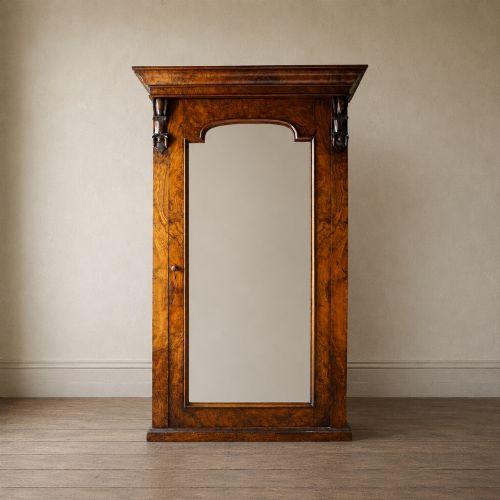
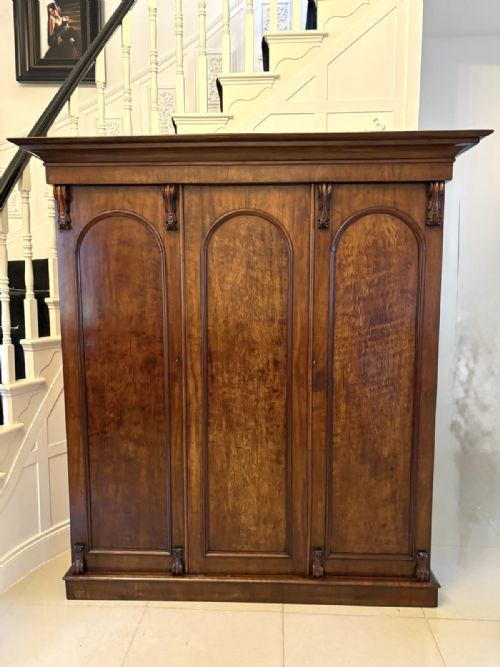
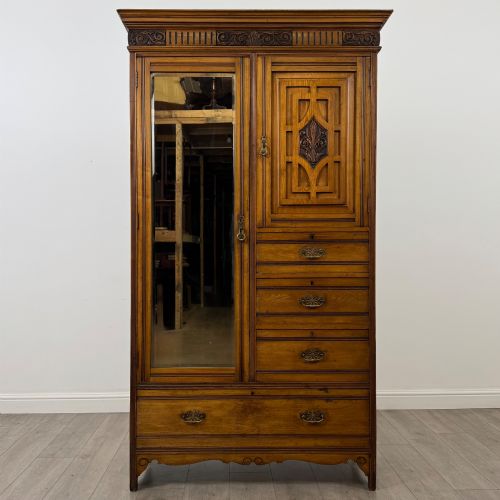
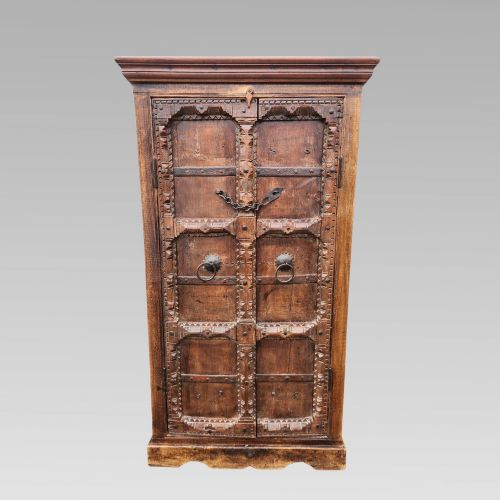
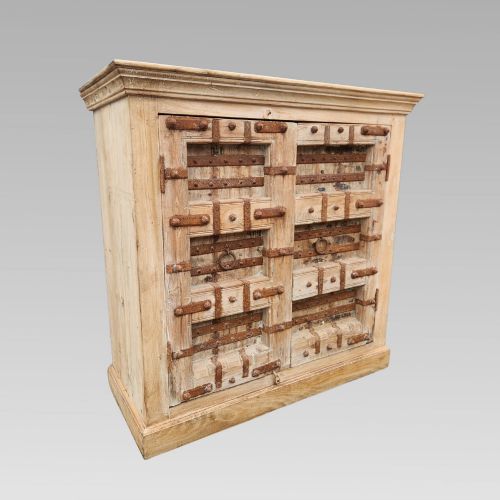
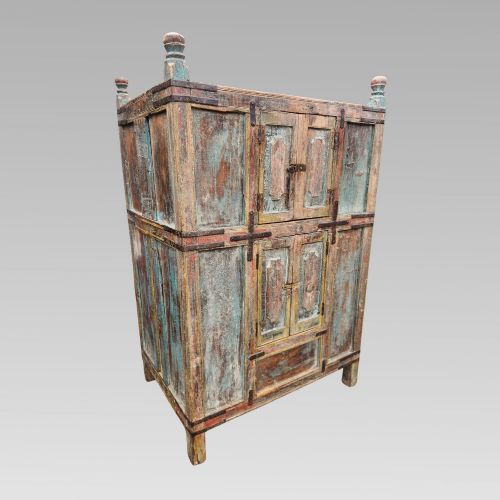
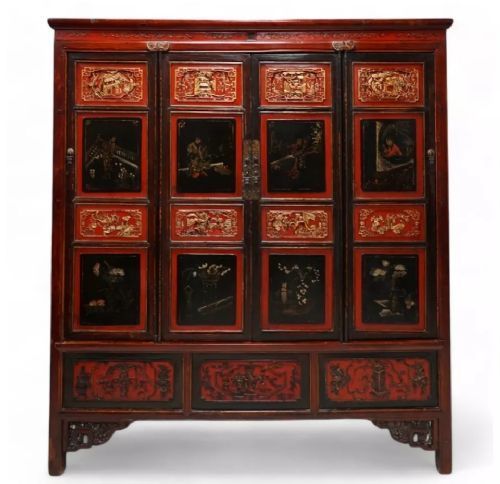
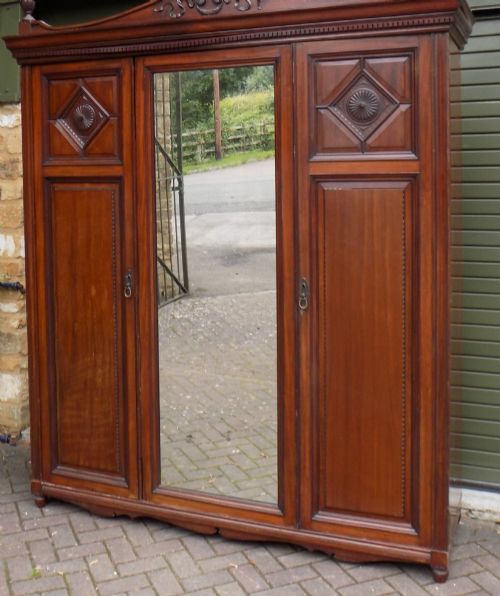
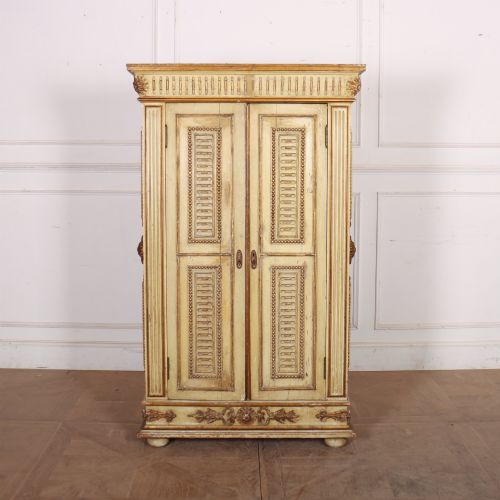
When searching for a carved wood armoire, buyers encounter a diverse selection of large storage furniture that spans several centuries and stylistic traditions. These pieces function primarily as wardrobes, linen presses, and multi-door cupboards designed to house garments and domestic textiles. The inventory encompasses examples ranging from formal European designs to regional pieces originating from British, French, and Indian workshops.
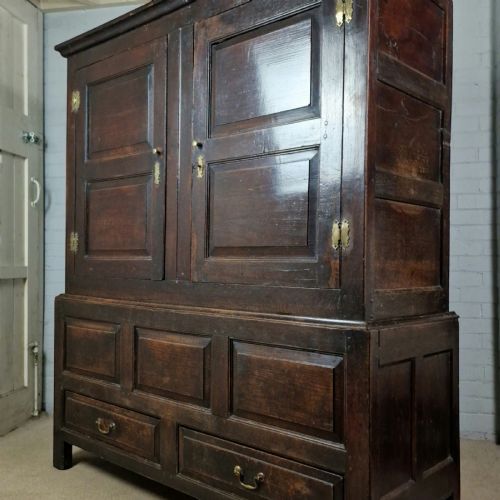
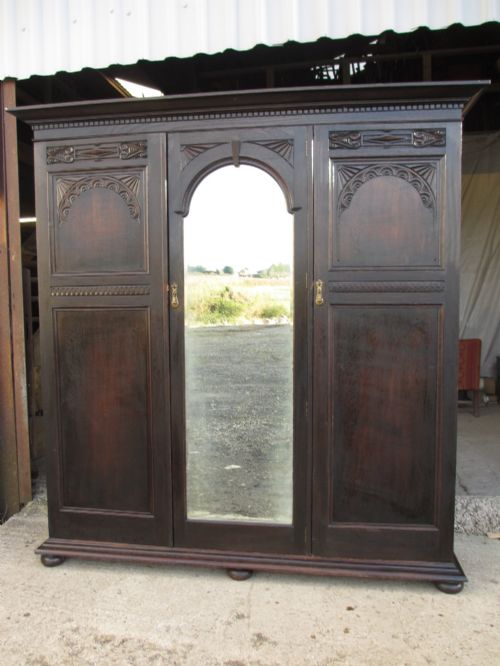
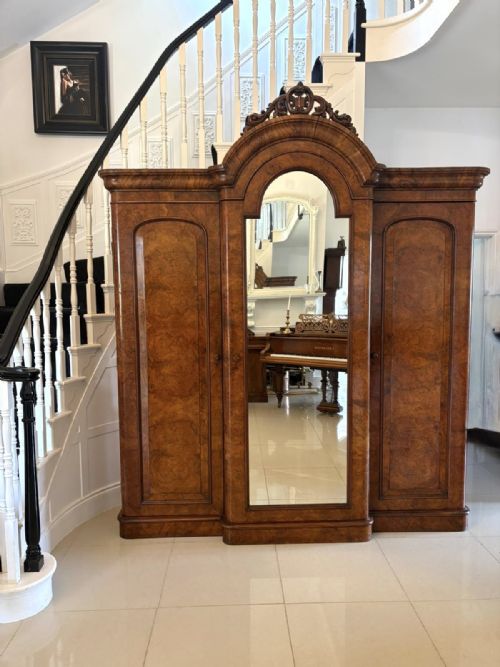
The versions most frequently met on this page date from the nineteenth century, with strong representation from the Victorian and Edwardian eras. Buyers also find earlier eighteenth-century French provincial examples alongside twentieth-century iterations in oak and teak. These large storage items appear in single, double, and triple configurations, often incorporating mirrored doors, internal drawers, and compartmentalised shelving.
Materials and Construction Techniques
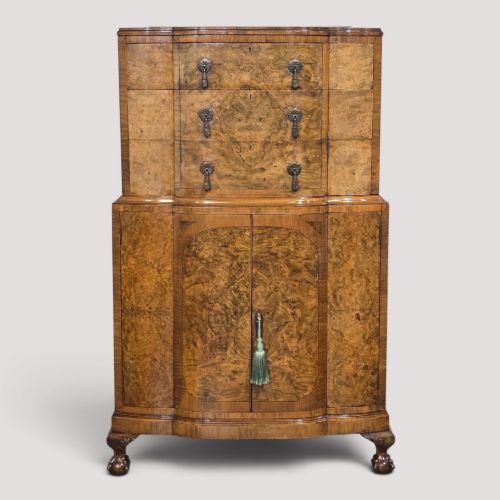
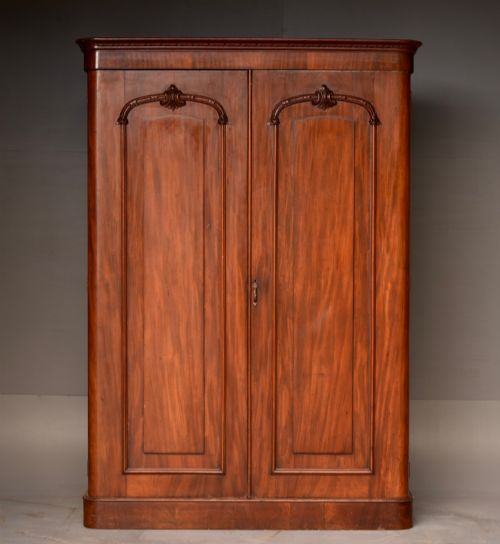
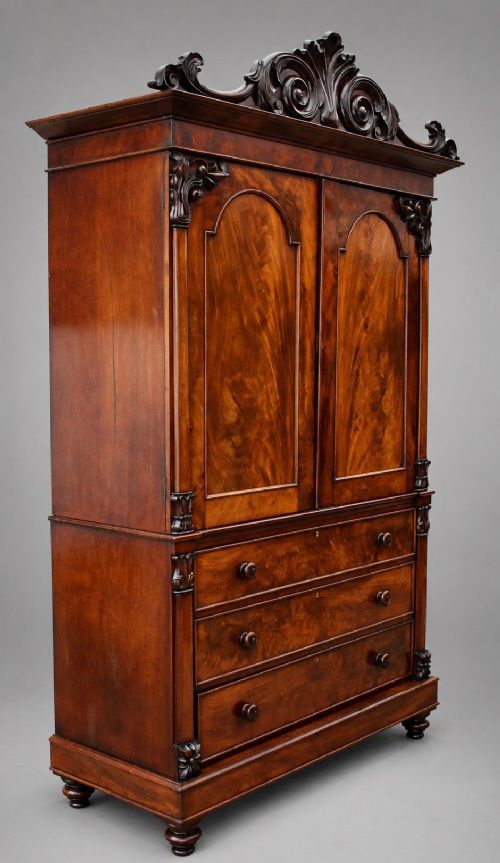
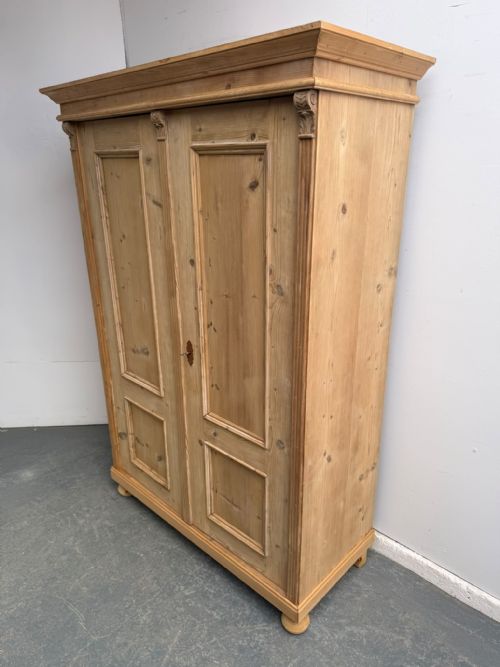
Cabinet makers utilised a variety of dense hardwoods to ensure structural integrity across these large forms, relying heavily on mahogany, walnut, oak, and ash. Figure in the timber, such as flame mahogany or burr walnut, was deliberately selected to create visual movement on expansive door panels. Secondary timbers like pine and elm frequently formed the internal framing and drawer linings of these substantial pieces.
Joinery techniques combined traditional frame-and-panel construction with hand-carved decorative motifs applied to cornices, friezes, and door stiles. Surface finishes ranged from clear wax and French polish to traditional lacquers, depending on the geographical origin and period of the cabinet. Metal fittings in brass and iron provided functional hardware for hinges, locks, and hanging rails.
Listings feature carved wood armoires and wardrobes spanning from the eighteenth century to the 1920s, constructed in mahogany, walnut, oak, teak, and pine.
Assessing Quality and Execution
The calibre of a carved wood armoire is determined by the crispness of the hand-carving and the selection of timber used for the primary visible surfaces. Superior examples display deeply chiselled relief work that integrates harmoniously with the architectural lines of the cabinet, rather than appearing as superficial applied ornament. The choice of well-matched, highly figured veneers or solid hardwoods further distinguishes the finest pieces from more utilitarian workshop output.
Structural engineering and internal organisation also dictate the hierarchy of quality within these large storage pieces. Top-tier wardrobes maintain rigid alignment across multiple heavy doors, supported by robust hinges and accurate mortise and tenon joinery. The inclusion of original fitted interior compartments, linen slides, and clean timber linings indicates a higher standard of original commission.
The Carved Wood Armoire Glossary
- Armoire
- A large upright cupboard or wardrobe used for storing clothes, typically featuring doors that open to reveal hanging space or shelves. These pieces originated in continental Europe before becoming a staple of large-scale domestic storage.
- Compactum
- A specialised multi-compartment wardrobe that combines hanging space, drawers, and shelving within a single unified footprint. This efficient design gained popularity during the Victorian period for comprehensive bedroom storage.
- Linen Press
- A tall piece of furniture traditionally utilised for storing folded bed linens and garments, usually featuring sliding trays enclosed by upper doors above a chest of drawers. Eighteenth and nineteenth-century examples often employ high-status timbers like flame mahogany.
- Vitrine
- A glass-fronted cabinet or display case designed to showcase porcelain, glassware, or decorative objects. Some regional French and Italian examples combine these display sections with solid enclosed storage cupboards beneath.
- Almirah
- A regional term for a freestanding cupboard or wardrobe, frequently associated with nineteenth and twentieth-century Indian domestic furniture. These items often utilise reclaimed teak and feature distinctive panel carving.
Carved Wood Armoire: Frequently Asked Questions
How do I measure for an armoire?
Accurate measurement requires recording both the ceiling height and the diagonal clearance of the intended room to accommodate the unwieldy proportions of these large cabinets. Many period wardrobes were constructed to dismantle into sections for transport and reassembly on site.
Buyers must also account for the swing arc of wide doors and any protruding decorative cornices that might obstruct placement against a wall.
Can I dismantle a period wardrobe?
Many nineteenth-century and earlier large wardrobes were built using modular knockdown construction, utilising structural bolts and tongue-and-groove joints to allow disassembly. This engineering facilitated transport up narrow staircases and through historic doorways.
Checking the internal corners and cornice fixings reveals whether a specific piece is designed to separate into a top cornice, base, and side panels.
How do I care for antique wood?
Maintaining antique timber requires stable indoor humidity levels and protection from direct sunlight to prevent veneer lifting and wood splitting. Regular application of a traditional beeswax polish nourishes the surface and preserves the depth of the polish.
Harsh chemical cleaners and modern silicone-based sprays should be avoided, as they degrade traditional finishes and penetrate the grain.