





Carved Wood Animal Stand
These carved wood animal stand examples combine utility and whimsy, bringing Victorian character and regional craftsmanship directly into domestic spaces.
Carved Wood Animal Stand
A carved wood animal stand serves as both functional furniture and sculptural ornament, incorporating creatures like camels, goats, and elephants into forms such as side tables and display supports. These pieces emerge from periods spanning the nineteenth century through the Edwardian era, drawing on distinct regional traditions including Black Forest and Anglo-Indian design.
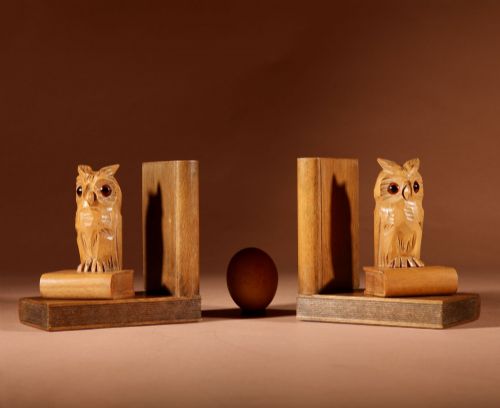
The objects catalogued here range from small desktop accessories like inkwells and bookends to larger items such as life-size sculptures and camel tables. Victorian workshops and international makers created these functional supports using timber, bone, and horn to depict domestic and exotic fauna.
Buyers encountering this selection will find domestic animals alongside exotic beasts, often integrated into functional items like fire screens and side tables. The overarching style moves between European naturalism and intricate Asian or colonial carving traditions.
Materials and construction methods
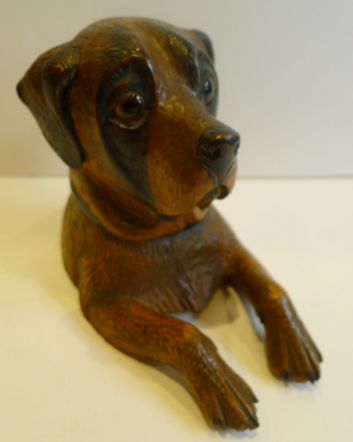
Makers occasionally combined wood with glass eyes, bone, horn, and metal components to heighten the realism of creatures such as owls, dogs, cats, and rams. Structural elements like tables and inkwells were joined using traditional woodworking techniques suited to each regional workshop.
Carved Wood Animal Stand Retail Price Guide 2026
Typical asking prices for carved wood animal stand among the pieces listed under this phrase on Sellingantiques today, from the lower quarter to the upper quarter. They describe what is for sale here now, not the wider market.
Listings feature items from the nineteenth century, Victorian era, and Edwardian period, using materials such as linden wood, hardwood, glass, bone, and horn.
Factors determining quality
The distinction between ordinary and superior pieces rests entirely upon the vitality of the carving and the anatomical accuracy of the animal depicted. Master carvers captured musculature and expression with striking immediacy, whereas lesser execution yields stiff, formulaic postures and flat surface detail.
Integration between the functional element - such as a table top, inkwell reservoir, or bookend base - and the animal sculpture dictates the success of the piece. Top-tier examples harmonise the creature's form with its utilitarian purpose without compromising the sculptural integrity of either component.
The Carved Wood Animal Stand Glossary
- Black Forest
- A nineteenth-century European carving style originating from the Swiss and German mountain regions, characterised by naturalistic depictions of animals, particularly bears, dogs, and owls, often incorporated into functional objects. This tradition produced some of the most expressive novelty items of the Victorian period.
- Anglo-Indian
- A descriptive term for furniture and decorative arts made in India during the British colonial period, frequently featuring dense hardwoods and deep, intricate floral or animal carvings. These pieces often took the form of occasional tables supported by camels or elephants.
- Inkwell
- A small container for holding liquid ink, typically placed on a desk and frequently housed within an elaborately carved animal sculpture during the Victorian era. The hinged lid often formed part of the animal's back or head.
- Fire Screen
- A freestanding panel placed before a fireplace to block radiant heat when the hearth was not in use, sometimes constructed on a large scale with decorative woodwork. They served both a practical purpose and as a focal point for interior decoration.
Carved Wood Animal Stand: Frequently Asked Questions
How were these animal stands used?
Owners utilised these items for specific domestic tasks, such as holding writing ink, supporting books, or serving as small side tables in parlours and studies. Many items doubled as conversation pieces in Victorian and Edwardian interiors.
Larger sculptures and screens functioned as room dividers or decorative focal points rather than holding objects.
How do I identify Black Forest carvings?
Black Forest carvings are typically rendered in linden wood and depict woodland animals with high naturalism, often integrated into functional pieces like inkwells or bookends. The carving style originated in central Europe during the nineteenth century.
These pieces feature distinct texturing to simulate fur and feathers, combined with dark staining and glass inset eyes.
Where were camel tables made?
Camel tables were produced in India during the nineteenth century under British colonial influence, specifically as Anglo-Indian export pieces. Artisans carved these tables from dense hardwoods to satisfy European demand for exotic furniture.
The animal forms support small circular tops, often finished with intricate geometric or floral borders.