





Carved Walnut Lions
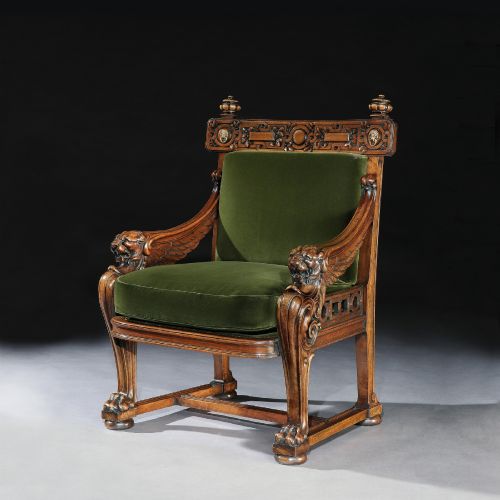
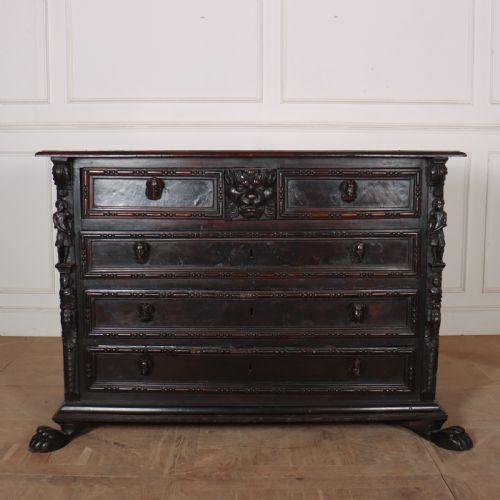
These carved walnut lions bring heavy timber and fierce nineteenth-century muscle into a room, drawing the eye straight to hand-chiselled paws and heads.
Carved Walnut Lions
Carved walnut lions encompass architectural wall masks, furniture terminals, and standalone head carvings spanning the seventeenth to the nineteenth centuries. These pieces emerge predominantly in revivalist styles such as Italian Renaissance Revival, Black Forest, and Victorian.
Buyers encounter furniture mounts like lion monopodia and paw feet alongside imposing wall carvings and furniture frames. The walnut timber provides a dark, dense ground for deep sculptural relief.
Origins stretch across Continental workshops, notably Italian and French centres, alongside British output from the Victorian era. The selection ranges from domestic seating with carved lion details to large sculptural heads.
What varies in quality
Depth of undercut relief and anatomical precision separate standard production from master carving. The handling of the facial expression and the crispness of the mane determine the piece's sculptural success.
Integration between the carved lion element and the host furniture structure dictates overall coherence. Timber selection and surface patination further divide workshop output from exceptional examples.
Carved Walnut Lions Retail Price Guide 2026
Typical asking prices for carved walnut lions among the pieces listed under this phrase on Sellingantiques today, from the lower quarter to the upper quarter. They describe what is for sale here now, not the wider market.
Listings span the 17th, 18th, and 19th centuries, featuring walnut timber combined with leather, iron, velvet, and damask fabric.
Thomas Hope·Luigi Frullini
The Carved Walnut Lions Glossary
- Monopodia
- A furniture support shaped as a single animal leg, often ending in a lion paw. This form originates in classical antiquity and reappears in nineteenth-century revival furniture.
- Cassone
- An antique Italian chest or coffer, typically constructed from walnut and heavily carved. These storage pieces often feature figural or animal relief work.
- Fauteuil
- An open-armed wooden armchair with upholstered seat and back. Eighteenth and nineteenth-century examples frequently incorporate carved animal motifs on the arm supports.
- Marquetry
- The art of applying pieces of veneer to a structure to form decorative patterns. Walnut pieces utilise this technique alongside solid carving.
- Black Forest
- A nineteenth-century style of deeply carved wooden ornamentation, often featuring animals. The work originates from the woodcarving industries of central Europe.
Carved Walnut Lions: Frequently Asked Questions
What periods do carved walnut lions come from?
The pieces span from the seventeenth century through the nineteenth century, with strong representation in Victorian and revivalist eras.
Craftsmen across Continental Europe and Britain produced these items across distinct stylistic revivals.
How do I identify Italian Renaissance Revival styles?
Look for deep sculptural relief, dense walnut timber, and motifs drawn from classical architecture and mythology.
These works often manifest as Cassone chests, armchairs, and architectural fragments with heavy animal terminals.
Where were Black Forest lion carvings made?
These pieces originated in the woodcarving regions of Central Europe during the nineteenth century.
Artisans focused on realistic animal anatomy, applying detailed hand-chiselling to walnut and fruitwood.
How do I care for antique walnut furniture?
Keep timber away from direct heat sources and fluctuating humidity to prevent splitting in the dense grain.
Apply gentle wax polish occasionally to maintain the natural finish without building heavy layers.