

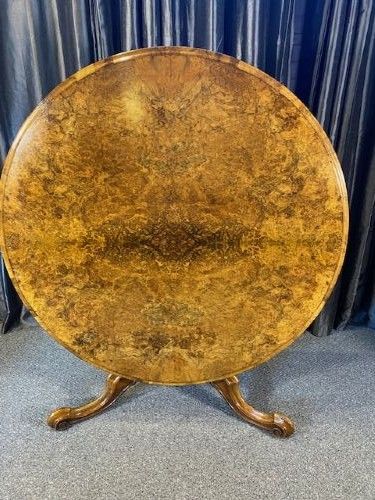
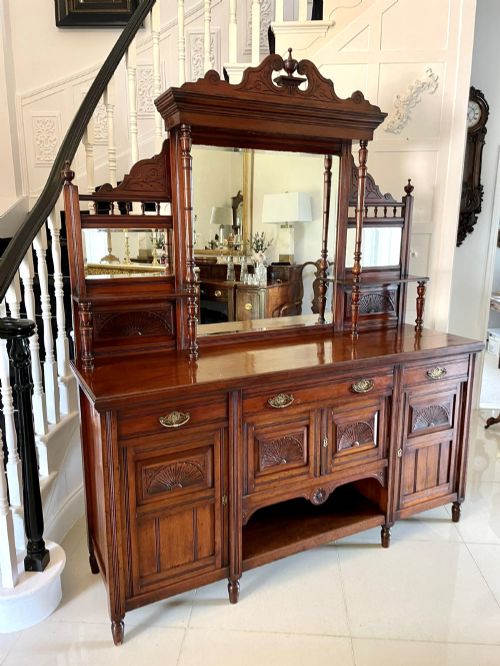
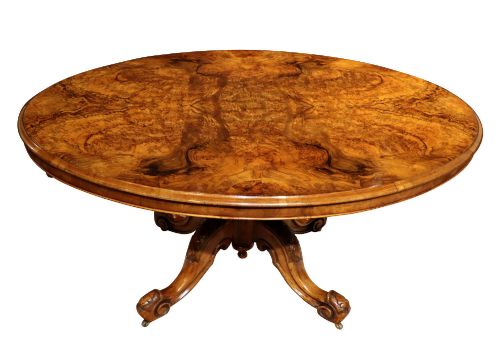
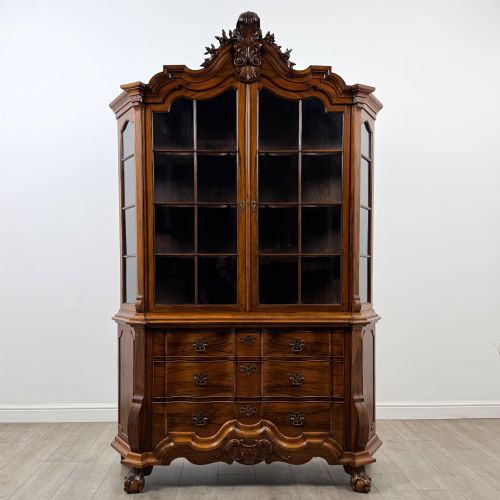
Carved Walnut Base
A carved walnut base brings solid timber warmth and sculptural depth to a room, anchoring tables and stands with distinct historic character.
Carved Walnut Base
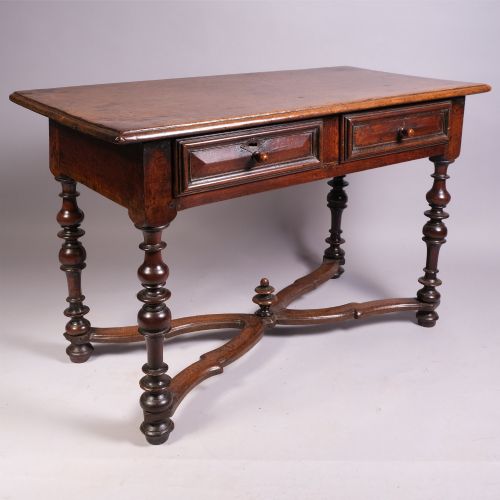
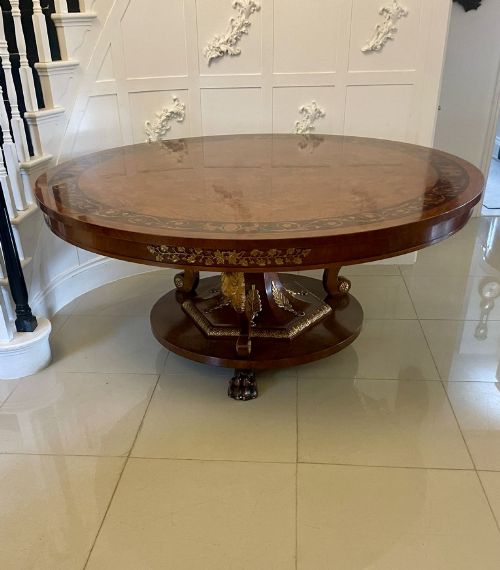
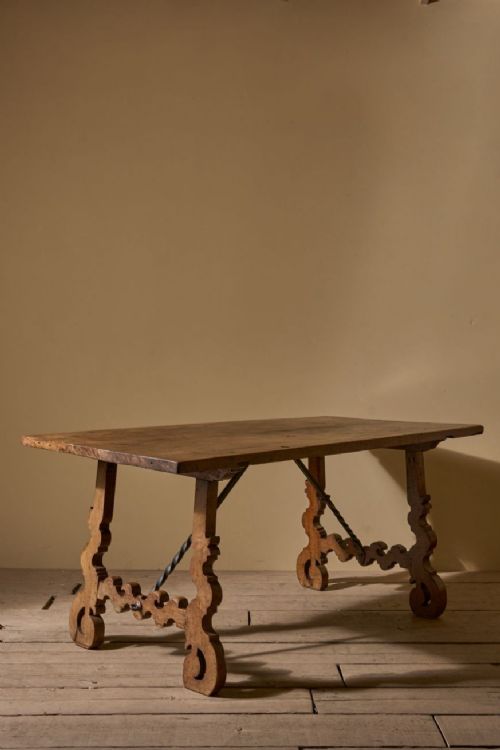
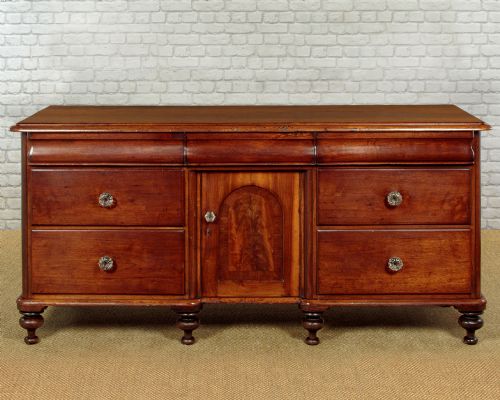
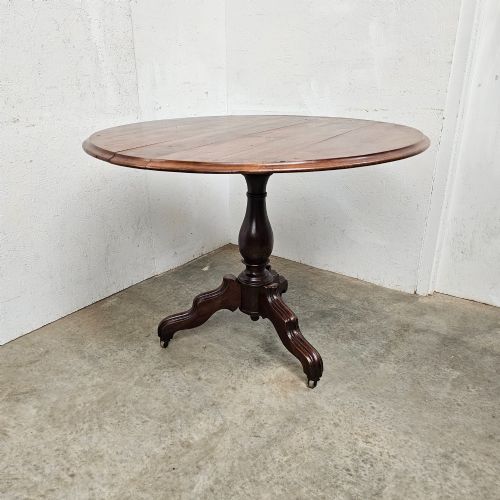
When you search for a carved walnut base, you encounter sturdy supports beneath tables, desks, cabinets, and piano stools. These pieces range from compact occasional stands to large centre and dining tables.
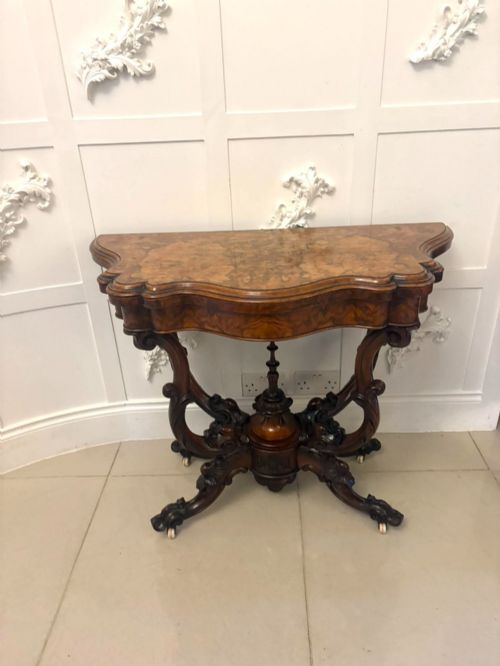
The selections here lean heavily toward the Victorian era, alongside examples from the eighteenth and early twentieth centuries. Furniture forms span from card tables and breakfast tables to torchiere stands and console tables.
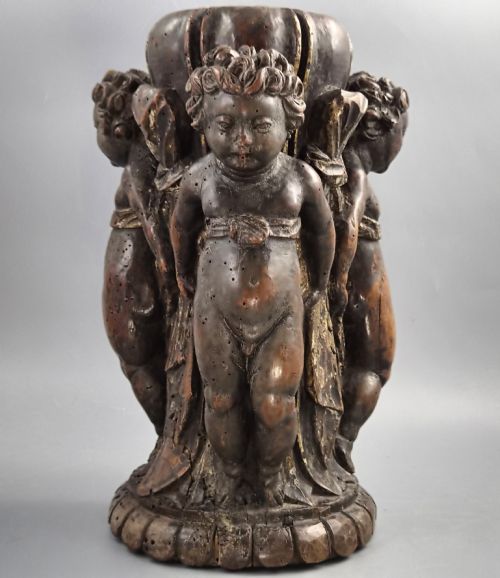
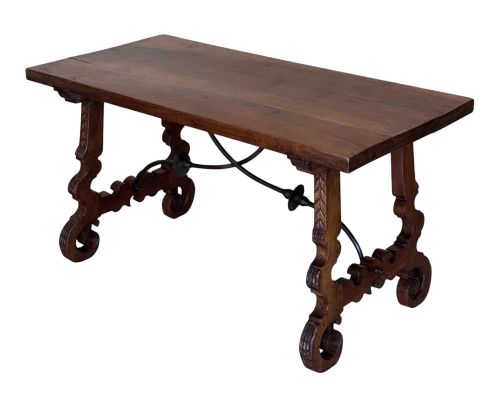
Regional diversity appears across Spanish, Italian, Dutch, and English designs. Elaborate carvings on these walnut structures define their aesthetic, often taking the form of baskets, quadrapods, or figurative elements.
Materials and construction methods
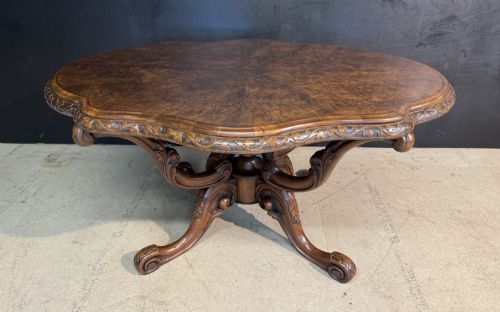
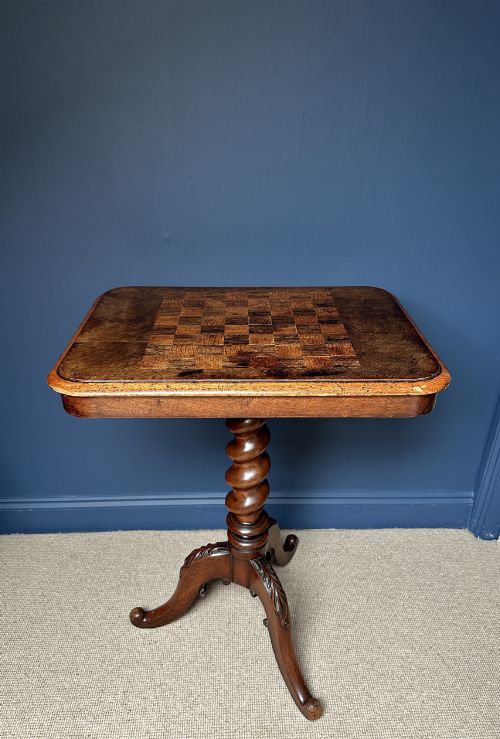
Makers utilised solid walnut and figured burr walnut for these pieces, sometimes pairing the dense timber with mahogany. Surfaces frequently display intricate marquetry inlay, gilt touches, or polished finishes that accentuate the grain.
Structural integrity often relied on carved wooden pillars, tripod supports, or multi-legged frames. Secondary materials such as brass, glass, marble, and wrought iron appear in specific table tops and stands to contrast with the warm walnut tones.
Carved Walnut Base Retail Price Guide 2026
Typical asking prices for carved walnut base among the pieces listed under this phrase on Sellingantiques today, from the lower quarter to the upper quarter. They describe what is for sale here now, not the wider market.
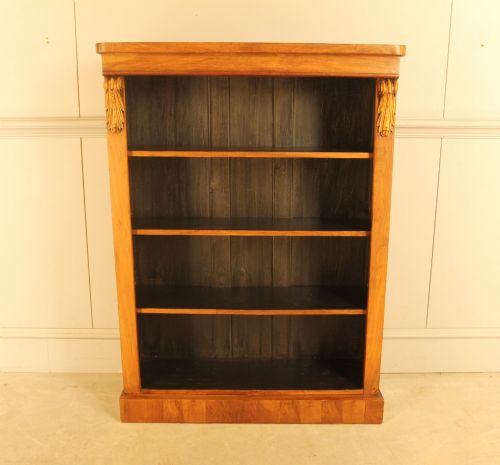
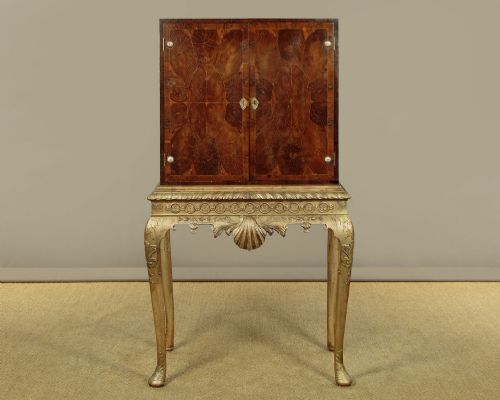
The furniture forms span dining tables, centre tables, games tables, piano stools, and display cabinets resting on carved wooden supports.
Distinguishing quality in carved walnut
The refinement of the hand-carved detail separates standard joinery from superior examples. Crisp execution in foliage, figures, or geometric patterns indicates a more skilled hand at work on the walnut timber.
The choice of wood grain also dictates distinction, with highly figured burr walnut commanding greater visual presence than plain stock. Structural harmony between the upper table or cabinet and the carved support underpins a successful composition.
The Carved Walnut Base Glossary
- Burr walnut
- A figured wood veneer derived from walnut tree growths, prized for its swirling, highly decorative grain patterns. It frequently covers the tops of nineteenth-century tables.
- Torchiere
- A tall stand or pedestal designed to hold a light source or candle. Italian Baroque examples often feature carved figures on the walnut base.
- Marquetry
- Decorative veneer work arranged in pictorial or geometric patterns using various woods. This technique often decorates the surfaces above the walnut base.
- Quadrapod
- A four-legged support structure for a table or stand. These bases distribute weight evenly beneath large breakfast or centre tables.
Carved Walnut Base: Frequently Asked Questions
What is a carved walnut base used for?
These carved walnut sections serve as the structural support beneath tables, desks, cabinets, and display stands. They elevate the functional surface while adding decorative weight to the piece.
Many designs support heavy dining tables, centre tables, or specialised stands such as piano stools and music cabinets. The sculptural carving transforms a utilitarian leg into a focal point of the room.
How do I identify Victorian walnut furniture?
Victorian walnut pieces often display rich burr veneers, marquetry inlay, and substantial hand-carved supports. The era favoured dark, polished timbers combined with elaborate decorative motifs.
Look for forms like card tables, oval breakfast tables, and Davenport desks produced during the nineteenth century. The joinery and hardware styles from this period offer further clues to date the piece accurately.
How do I care for antique walnut wood?
Keep walnut furniture away from direct sunlight and heat sources to prevent the timber and veneer from drying out. Consistent indoor humidity levels protect the historic wood from warping or splitting.
Dust the carved areas gently with a soft, dry cloth. Avoid harsh chemical polishes and instead use a quality beeswax sparingly to maintain the natural lustre of the walnut.
Are walnut and burr walnut the same?
Burr walnut is a specific type of walnut harvested from a tree growth or burl, resulting in highly figured and swirling grain patterns. Standard walnut timber displays a more uniform, straighter grain.
Furniture makers reserved burr walnut veneer for prominent surfaces like table tops to showcase the decorative grain. The underlying structural base typically utilised solid walnut for strength.