





Carved Tribal Mask
These carved tribal mask examples bring striking ritual presence and varied regional artistry straight into a modern interior.
Carved Tribal Mask
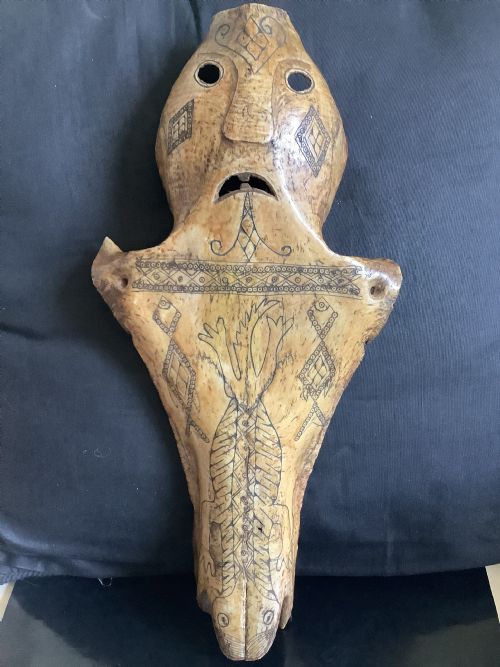
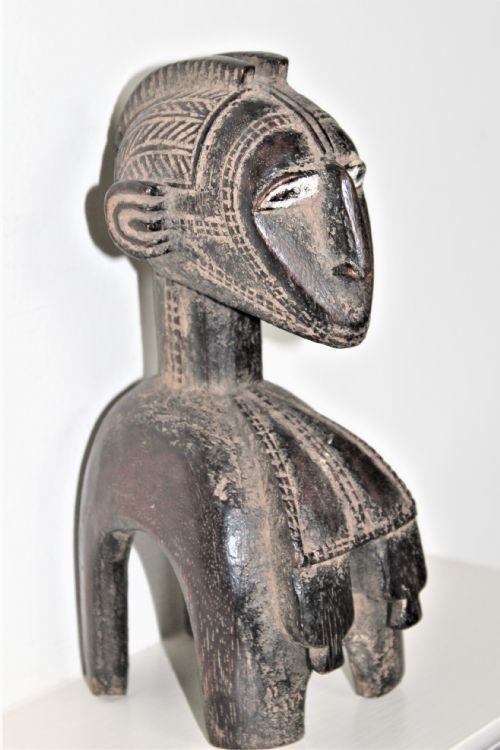
A carved tribal mask represents ritual performance, ancestral presence, and traditional governance across diverse global cultures. When you search for a carved tribal mask, you encounter ceremonial face coverings, helmet masks, and shoulder sculptures originating from West and Central Africa, the Himalayas, and South India.
The pieces appearing on this page span the nineteenth century, Edwardian era, and the early twentieth century. Common forms include animal representations such as warthogs, intricate anthropomorphic dancer headdresses, and reliquary guardians.
Geographic origins recorded in the listings stretch from the Ivory Coast, Gabon, and the Democratic Republic of Congo to Nepal, Tibet, and Kerala in India. Each region utilises distinct sculptural conventions to communicate spiritual and social narratives.
Materials and construction methods
Several works integrate secondary media such as bone, brass, and metal detailing to enrich the sculptural form. The interaction between exposed organic wood grain and applied pigment creates the distinct tactile surfaces observed across these geographic traditions.
Carved Tribal Mask Retail Price Guide 2026
Typical asking prices for carved tribal mask among the pieces listed under this phrase on Sellingantiques today, from the lower quarter to the upper quarter. They describe what is for sale here now, not the wider market.
A grinning warthog mask from the Ivory Coast reminds us that traditional sculpture often balances fierce ancestral duty with a touch of theatrical wildlife.
Assessing quality in carved tribal mask examples
Quality rests upon the sculptural vigour of the carving and the integrity of the surface history. Pieces demonstrating confident tool marks, balanced proportions, and deep handling patinas command stronger visual presence.
The application and retention of original pigments further differentiate individual works. Surviving traces of kaolin or coloured earths indicate authentic ceremonial use and careful preservation over generations.
The Carved Tribal Mask Glossary
- Kaolin pigment
- A fine white clay used traditionally for surface decoration and ritual body or mask ornamentation. It often survives in the recessed crevices of older wood carvings.
- Reliquary guardian
- A protective sculptural figure or head placed above containers holding ancestral remains. These objects safeguard sacred lineage materials.
- Headdress
- A ceremonial adornment worn upon the head during ritual dances and theatrical performances. Such pieces often incorporate towering frameworks or textile elements alongside carved components.
- Patina
- The surface sheen and textural alteration developed through handling, exposure to smoke, and age. A genuine handling surface distinguishes ritual artefacts from later reproductions.
Carved Tribal Mask: Frequently Asked Questions
How were carved tribal mask pieces used originally?
These masks and headdresses served central roles in agricultural rites, ancestral veneration, initiations, and community celebrations. Performers wore them to embody spirits, animals, or founding ancestors during rhythmic community dances.
Such usage connected living communities with spiritual forces, reinforcing laws, social hierarchies, and historical memory through visual performance and dramatic movement.
How should I display a carved tribal mask at home?
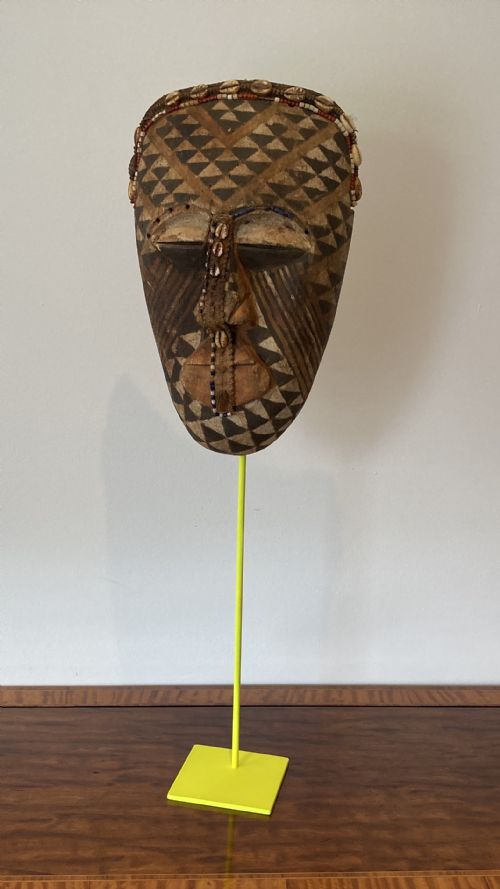
Display these sculptures on dedicated custom metal stands or secure wall mounts that support their weight safely without damaging the wood. Position them away from direct sunlight and sudden radiator heat to protect the dry timber.
Allow sufficient negative space around each piece so the sculptural forms and surface textures remain the focal point of the room.
How can I tell different regional styles apart?
Regional styles reveal themselves through distinct facial proportions, scarification marks, and surface finishes. For instance, Punu masks often feature white kaolin faces with arched brows, while Songye Kifwebe pieces display stark linear grooving.
Examining the underlying wood type, carving symmetry, and pigment application helps attribute a work to specific cultures such as the Baule, Gouro, or Baga peoples.
What does the presence of pigment indicate?
Original pigments show how the object appeared during active ceremonial use rather than just as bare wood. Pigments like white kaolin or dark earth tones highlighted ritual symbols and enhanced the dramatic expression.
Traces embedded deep within the carved grooves provide key evidence of age and authenticity for collectors studying historical pieces.