

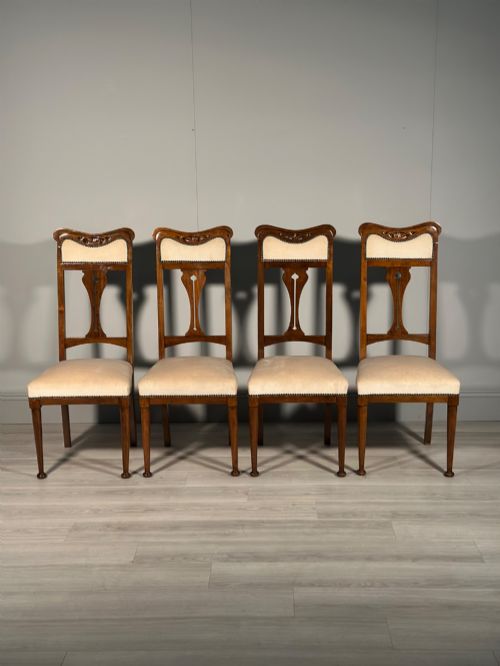
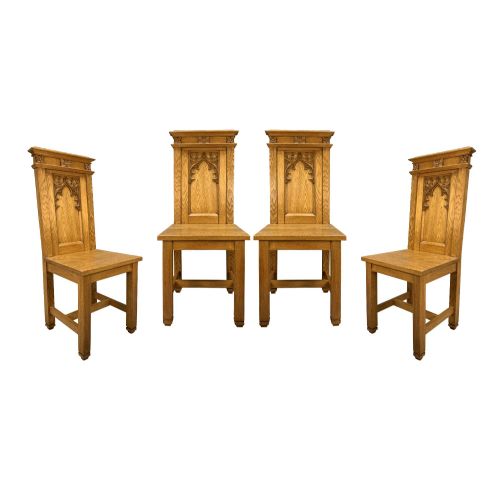
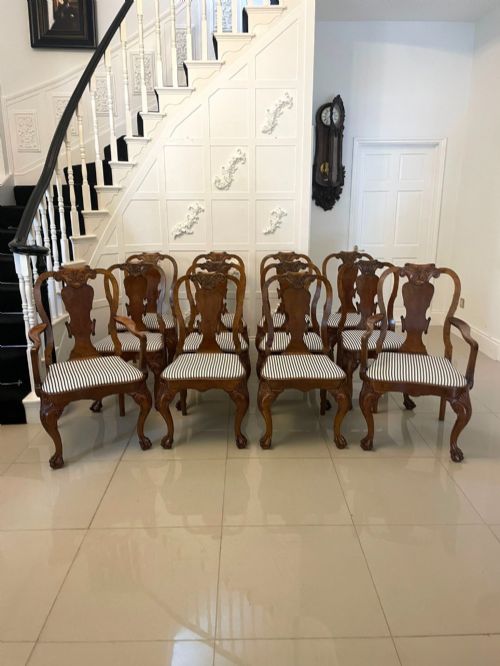
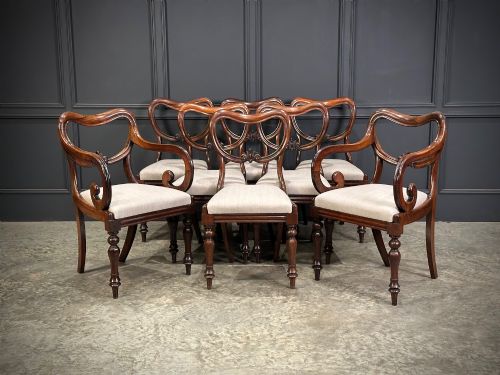


Carved Timber Dining Seats
Carved timber dining seats span centuries of workshop design, offering robust seating built from solid hardwoods like oak, mahogany, and rosewood.
Carved Timber Dining Seats
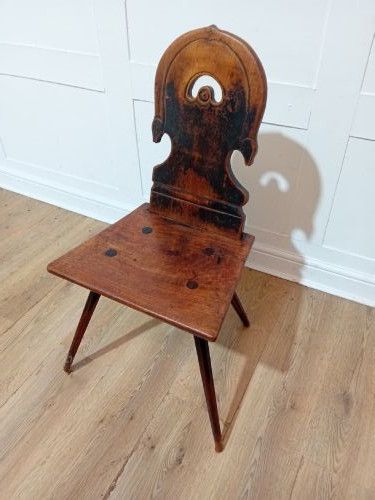
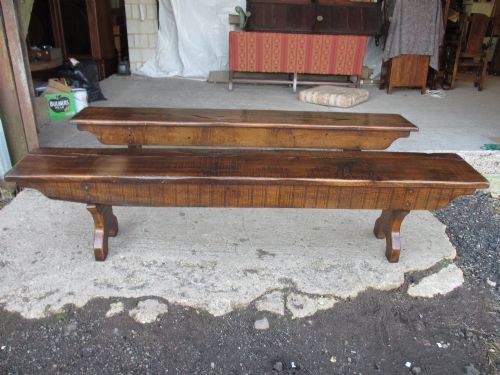
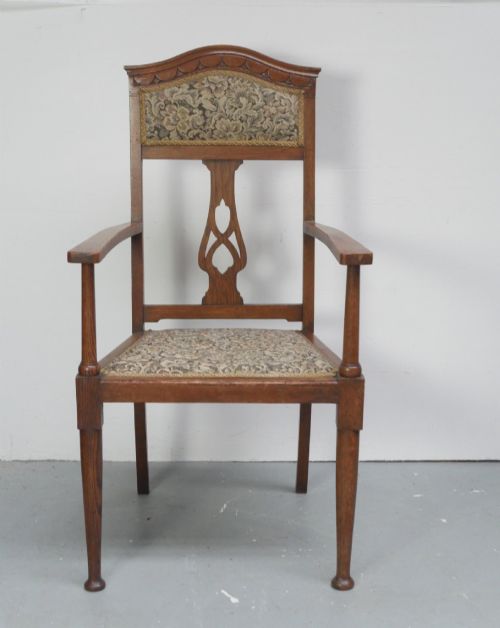
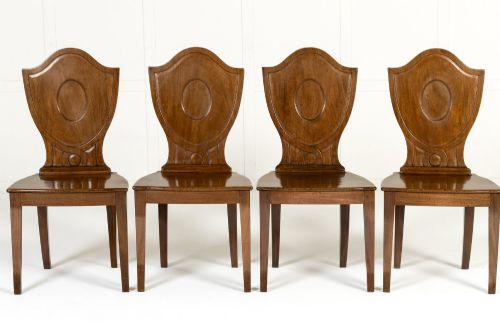
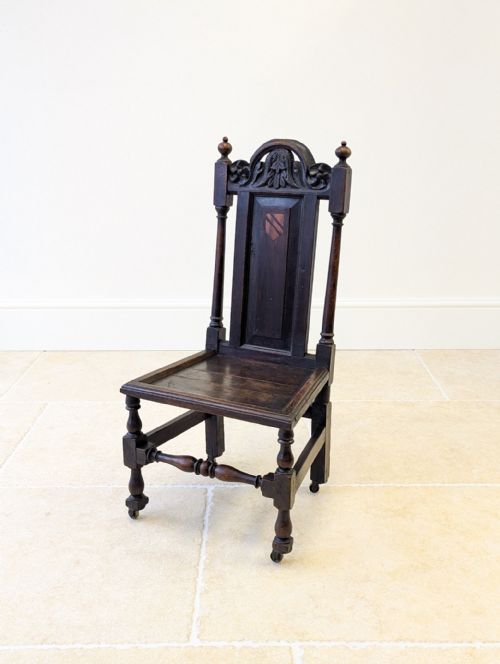
Carved timber dining seats encompass dining chairs, armchairs, hall chairs, benches, and settles originating from the seventeenth century through to the Edwardian period. Buyers searching for carved timber dining seats encounter formal dining chairs alongside utilitarian kitchen chairs, oak benches, and decorative hall chairs.
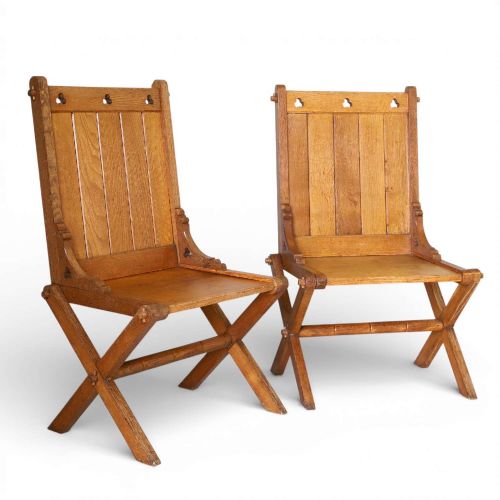
The selection ranges from single antique chairs to large sets intended for substantial dining tables. Pieces appear in various regional and revival styles, including Gothic Revival, Jacobean Revival, and Hepplewhite style.
How they were made
Cabinet makers and joiners utilised dense native and imported timbers, principally mahogany, oak, walnut, and rosewood, shaping structural elements with hand tools. Decorative detailing relies on direct carving into the timber frame, supplemented occasionally by applied elements such as brass or turned supports.
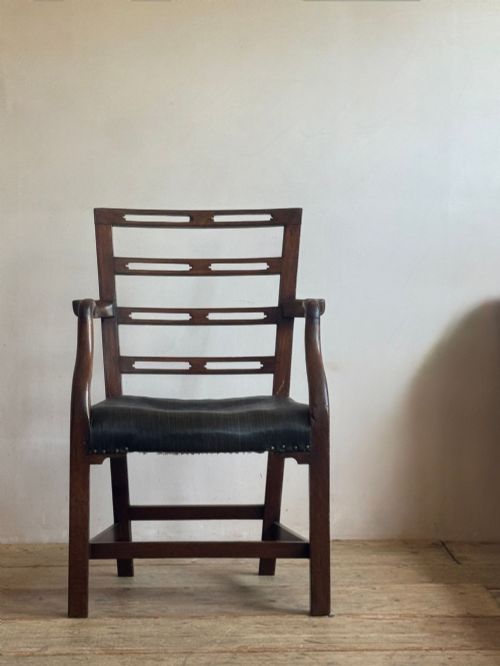
Upholstered variants incorporate supportive internals covered in fabric, leather, or velvet, while timber-seated forms display shaped wooden panels and ladder-backs.
Carved Timber Dining Seats Retail Price Guide 2026
Typical asking prices for carved timber dining seats among the pieces listed under this phrase on Sellingantiques today, from the lower quarter to the upper quarter. They describe what is for sale here now, not the wider market.
Listings feature timbers including mahogany, oak, rosewood, walnut, and fruitwood across periods spanning the seventeenth century to the Edwardian era.
What varies in quality
Quality rests in the crispness and depth of the timber carving, the selection of the primary wood, and the structural integrity of the frame joints. Superior examples exhibit well-balanced proportions and harmonious grain patterns across matched sets.
Later revival pieces and utilitarian kitchen seats demonstrate simpler construction methods and less elaborate ornamentation compared to bespoke cabinet-maker output.
Gillows·Marsh, Jones and Cribb
The Carved Timber Dining Seats Glossary
- Hall chair
- A rigid wooden seat traditionally placed in an entrance hall, often featuring a carved solid timber back panel and plain wooden seat.
- Gothic Revival
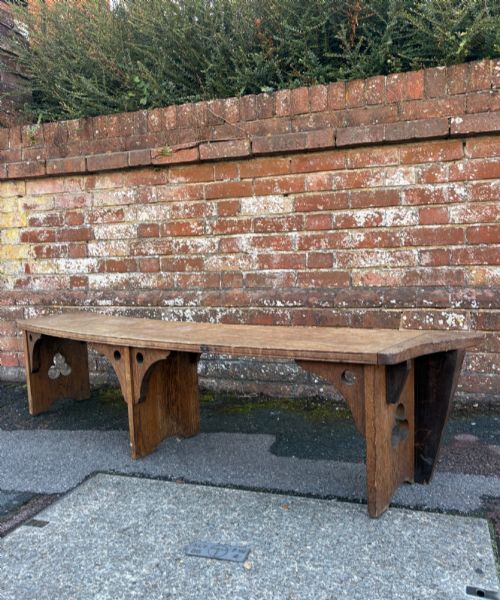
- A nineteenth-century design movement utilising medieval architectural motifs, visible in pointed arches and trefoil carvings.
- Ladder-back
- A chair back constructed with horizontal arched slats resembling the rungs of a ladder.
- Settle
- A wooden bench featuring high backs and solid armrests, designed to block draughts in domestic interiors.
Carved Timber Dining Seats: Frequently Asked Questions
How do I spot a marriage in a set of chairs?
Examine the underframes, timber species consistency, and hand-carved details to check if individual chairs originated from the same workshop bench.
Subtle variances in dimensions or secondary woods often reveal whether a matched set was assembled later in its history.
Are antique wooden chairs suitable for daily dining?
Solid hardwood frames offer remarkable structural durability, making them well-suited for regular use around a modern dining table.
Joints should be checked periodically by a professional to ensure the traditional glue and dowel construction remains secure.
What is the difference between a hall chair and a dining chair?
Hall chairs are designed for occasional sitting and visual impact in an entryway, featuring solid timber seats and prominent carved backs.
Dining chairs prioritize sustained comfort, frequently incorporating upholstered pads and ergonomic rake angles to the backrest.
How do I care for antique timber seats?
Maintain the polished timber surface using traditional beeswax and avoid placing antique seating near direct heat sources or strong sunlight.
Leather and fabric upholstery benefits from gentle dusting and professional cleaning appropriate to the specific textile.