

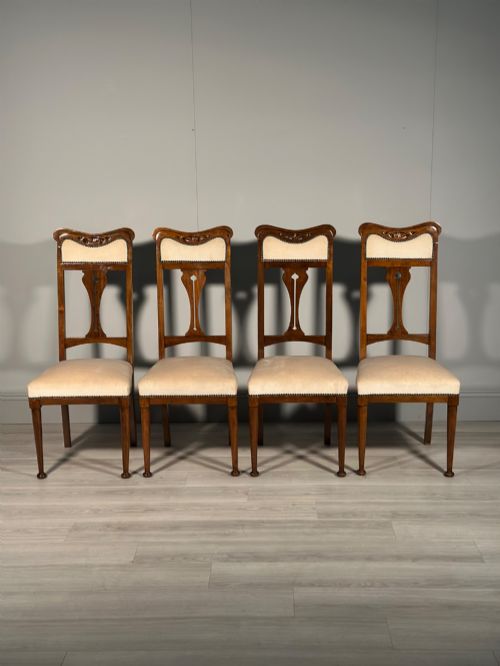
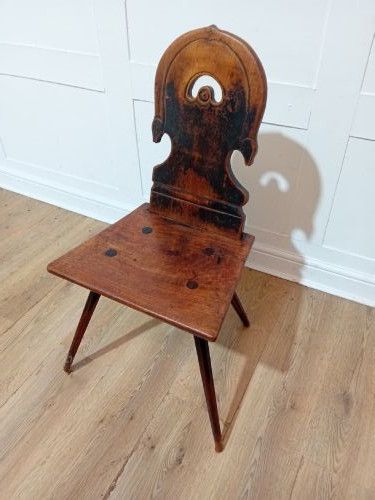
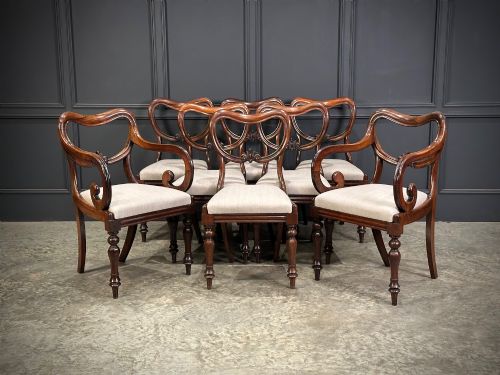
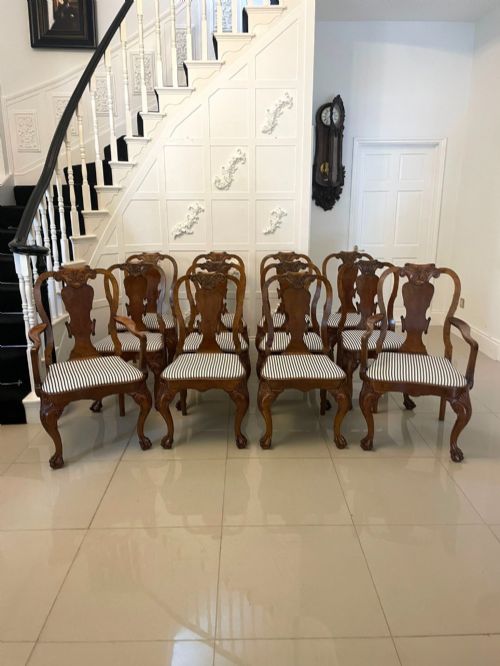



Carved Timber Dining Seating
Carved timber dining seating brings architectural presence to the table, uniting historic joinery with practical daily use.
Carved Timber Dining Seating
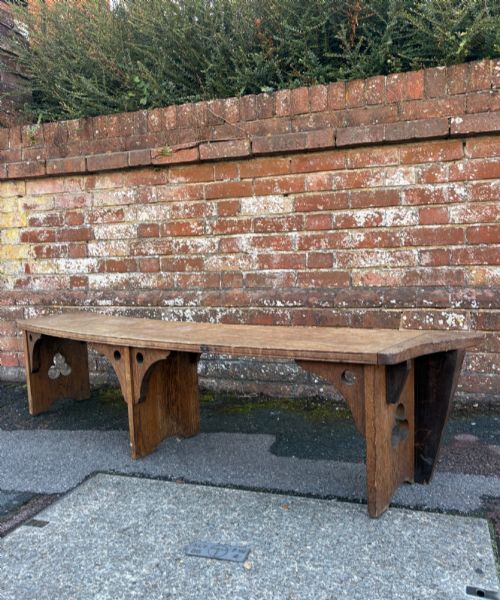
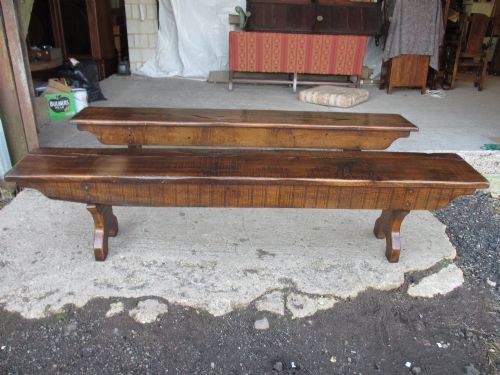
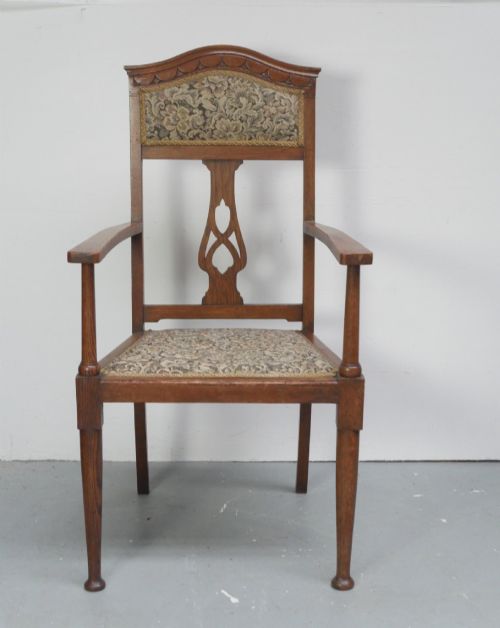
Carved timber dining seating encompasses individual dining chairs, sets for larger tables, and sturdy benches spanning several centuries of British and European design. A buyer searching this phrase encounters robust oak items from the seventeenth century alongside refined mahogany and rosewood examples from the Regency and Victorian eras.
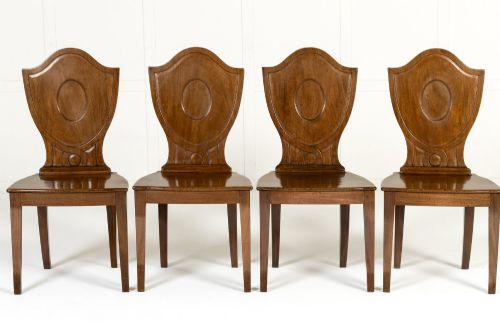
Single hall chairs and side chairs appear frequently alongside matched sets of dining chairs and heavier oak benches with trestle ends. These pieces originate from domestic dining rooms and halls, reflecting the shift from heavy Jacobean styles to lighter Hepplewhite and Gothic Revival interpretations.
Distinctions in Execution
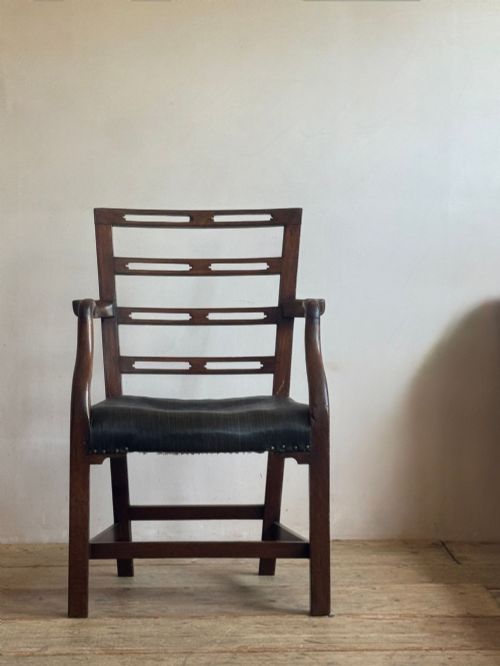
Quality rests upon the crispness of the hand-carving and the integrity of the timber frame, distinguishing workshop productions from simpler vernacular items. Crisp trefoil details, deeply carved shells, and well-proportioned ladder-backs indicate skilled handiwork.
The survival of original surfaces and uniform timber matching across large sets elevates a piece above mismatched groupings or heavily restored examples. Structural stability in the joints and the crispness of turned or fluted legs dictate the standing of individual chairs.
Carved Timber Dining Seating Retail Price Guide 2026
Typical asking prices for carved timber dining seating among the pieces listed under this phrase on Sellingantiques today, from the lower quarter to the upper quarter. They describe what is for sale here now, not the wider market.
The listings span from the seventeenth century through the Victorian era, utilising oak, mahogany, walnut, and rosewood.
Marsh, Jones and Cribb·Gillows
The Carved Timber Dining Seating Glossary
- Hall chair
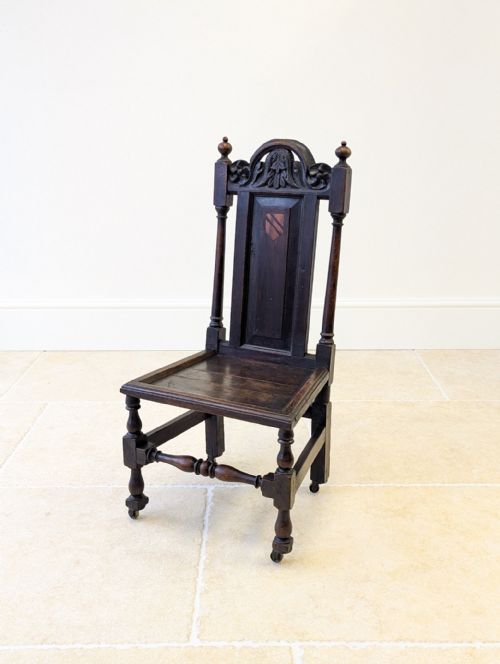
- A rigid wooden seat, often featuring a carved or painted shield on the back, traditionally placed in an entrance hall. These pieces lack upholstered cushions and prioritise sculptural timber backs.
- Gothic Revival
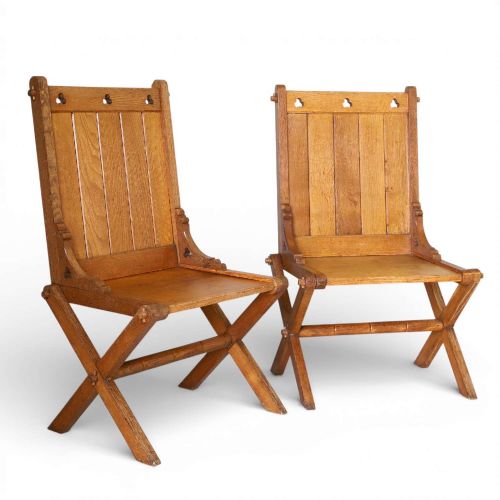
- A nineteenth-century design movement inspired by medieval architecture, incorporating pointed arches, trefoil motifs, and heavy timber construction. This style often manifests in oak benches and ceremonial seating.
- Regency
- A style period spanning the early nineteenth century defined by neoclassical lines, classical motifs, and a preference for dark mahogany or rosewood. Chairs from this era often feature curved top rails and sabre legs.
- Jacobean Revival
- A nineteenth-century style mimicking seventeenth-century English joinery with turned legs, geometric panels, and dark oak finishes. Pieces in this category display heavy rectilinear frames and deep carved ornamentation.
- Trestle
- A structural support consisting of a horizontal beam fixed to two splayed vertical feet, frequently utilised in benches and long seating forms. This arrangement provides stability without obstructing legroom.
Carved Timber Dining Seating: Frequently Asked Questions
How do I care for antique wooden seats?
Maintain a stable room temperature away from direct heat sources to prevent the timber from splitting or warping.
Apply a traditional beeswax polish sparingly to nourish the grain and preserve the original surface patina over time.
Are these chairs suitable for daily use?
Solid hardwood construction ensures these seats remain structurally sound for regular dining purposes when joints are stable.
Heavier oak benches and mahogany dining chairs handle daily sitting well, provided the underlying joinery has been checked by a professional.
What is a hall chair used for?
Hall chairs served as decorative yet functional seating in grand entranceways, often displaying family crests or heraldic carvings.
Guests waited on them briefly, and their sturdy timber construction was designed to withstand minimal upholstery wear.