






Carved Stag Antler
Carved stag antler brings raw natural texture and masterful carving together, offering collectors a rich variety of nineteenth-century folk art, netsuke, and practical household objects.
Carved Stag Antler
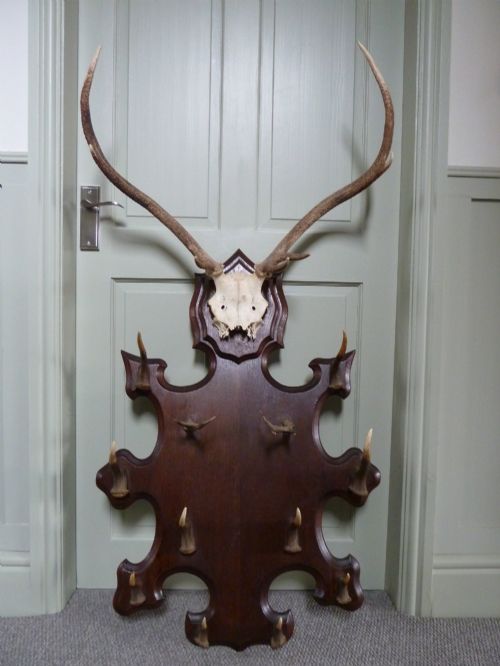
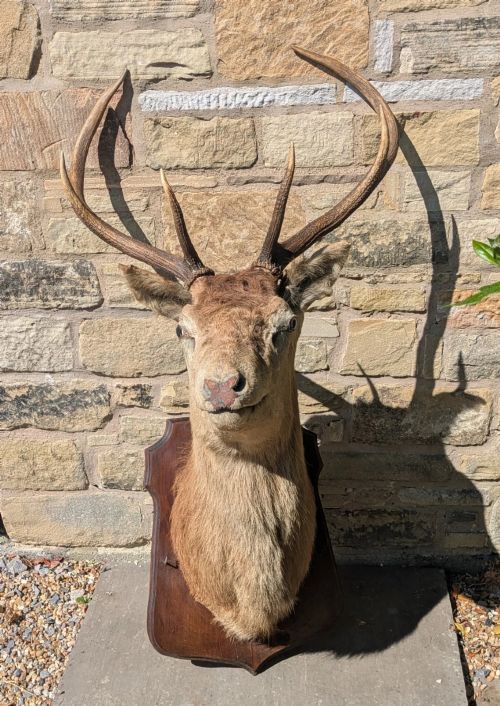
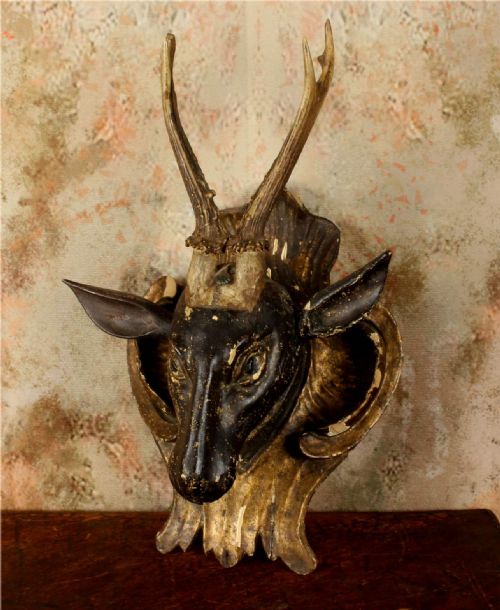
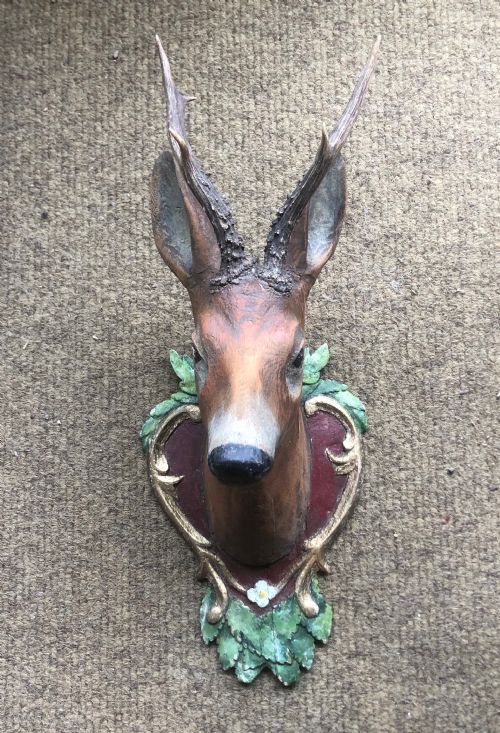
When you search for carved stag antler, you encounter a diverse array of items ranging from intricate Japanese netsuke and parasol handles to large British hallstands and taxidermy mounts. The nineteenth century dominates these selections, bringing together European folk art, Black Forest craftsmanship, and Meiji period carving traditions.
You are most likely to meet practical items and decorative trophies, including coat racks, walking stick handles, and mounted skulls alongside small-scale carvings. These pieces utilise the natural contours of the material to create both sculptural interest and everyday utility.
How they were made
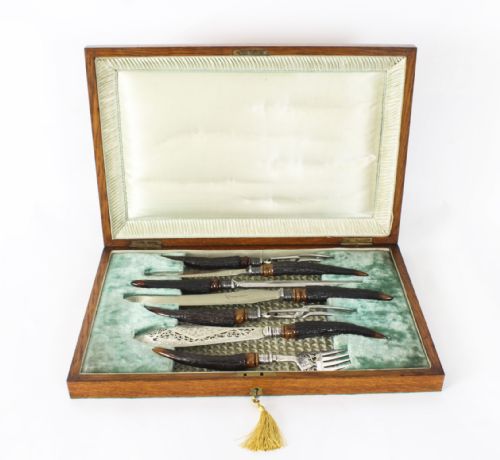
Craftsmen worked directly with stag horn and antler, often combining the dense, ridged material with carved oak shields, wood supports, and silver-plated mounts. The natural organic shape dictated the final form, whether shaping a handle, a love spoon, or a cribbage board.
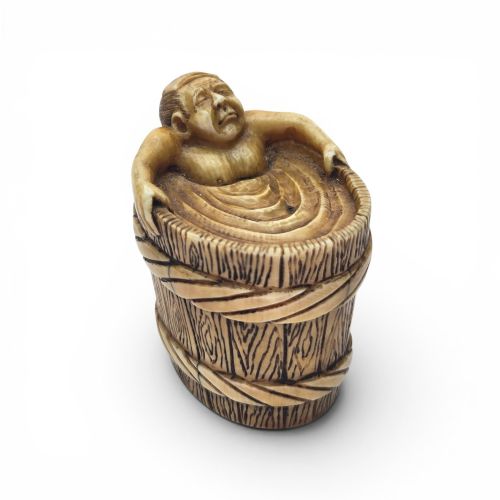
Detailed hand carving defines the smaller objects, such as Japanese netsuke and pipe case holders, where artisans exploited the varied density of the antler to achieve depth and texture. Larger pieces relied on secure mounting techniques to attach heavy antlers and taxidermy heads to wooden backing boards.
Carved Stag Antler Retail Price Guide 2026
Typical asking prices for carved stag antler among the pieces listed under this phrase on Sellingantiques today, from the lower quarter to the upper quarter. They describe what is for sale here now, not the wider market.
An eleven-point stag skull waits alongside a love spoon, proving that eighteenth-century romance and massive wall trophies share the exact same horn.
What varies in quality
The standard of carving distinguishes fine miniature work from simpler pieces, particularly in Japanese stag horn items where facial expressions and surface detailing require precise control. In larger wall mounts and hallstands, the symmetry and point count of the antlers, alongside the soundness of the supporting wood, set the standard.
The integration of material and function also dictates worth, as seen in the balance of a walking stick handle or the clean execution of a cribbage board. Patina and preservation of the raw horn surface without excessive wear separate superior examples from standard workshop production.
The Carved Stag Antler Glossary
- Antler
- The shed or harvested bone-like growth of a deer, utilised for handles, carvings, and furniture mounts due to its durable and textured surface.
- Netsuke
- A small Japanese toggle carved from stag horn or wood, traditionally used to secure a pouch or small container to a kimono sash.
- Folk Art
- Utilitarian and decorative objects created by self-taught or local artisans, often incorporating natural materials like stag antler and painted wood.
- Taxidermy Mount
- The preservation and display of animal heads and antlers, frequently mounted on carved wooden shields for interior decoration.
- Love Spoon
- A traditionally carved wooden or horn spoon given as a token of affection, often featuring intricate symbolic motifs.
Carved Stag Antler: Frequently Asked Questions
What are carved stag antler items made from?
These pieces utilise natural stag horn and antler, frequently paired with supporting elements of carved oak, painted wood, bone, and silver-plated fittings. The material provides a dense, textured foundation for both miniature carvings and large structural pieces.
Craftsmen adapted the organic curves and rough surfaces of the antler to suit the specific object, whether creating a smooth parasol handle or mounting a full skull.
How were these objects used originally?
Many items served practical daily functions in homes and personal wardrobes, including hallstands for coats, walking stick handles, cribbage boards, and serving sets. Others had cultural or decorative purposes, such as Japanese netsuke worn on clothing or folk art love spoons given as tokens.
Larger taxidermy mounts and wall sculptures were predominantly displayed in country houses and sporting lodges as trophies of the hunt and decorative wall art.
How do I care for antique antler?
Keep items away from direct sunlight and sudden temperature fluctuations to prevent the natural horn from drying out, warping, or cracking over time. Dust gently with a soft, dry cloth without applying harsh chemical polishes or soaking the material in water.
If the piece includes wooden shields or metal plating, maintain those areas according to their specific material needs while protecting the porous antler surface.
How can I tell different periods apart?
Nineteenth-century British and European pieces often lean towards heavy taxidermy, Black Forest mounts, and practical country house furnishings like hallstands and carving sets. Japanese items from the Edo and Meiji periods typically feature fine, detailed miniature carvings such as netsuke and parasol handles.
Earlier eighteenth-century examples, like love spoons, display simpler folk art carving techniques and distinct patination developed through age and handling.