





Carved Soapstone Sculpture
These carved soapstone sculpture pieces range from nineteenth century Chinese figures to African portrait busts, offering tactile natural stone carved with remarkable detail.
Carved Soapstone Sculpture
When you search for carved soapstone sculpture, you are looking at tactile decorative objects shaped from soft minerals into figures, animals, and landscapes. The pieces on this page span the nineteenth century through the early twentieth century, originating primarily from Chinese workshops alongside select African and Indian examples.
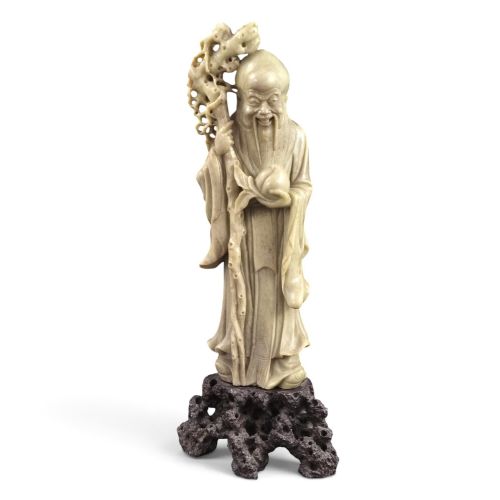
The forms vary considerably across these cultures and eras. You will encounter figural groups depicting sages, deities like Shoulao, animals including monkeys, horses, and dragons, alongside functional scholarly items like seals and desk accessories.
Many of these works draw upon traditional iconography, such as Foo Dogs, scholars' carvings, and continuous wooded landscapes. Each piece utilises the natural variations of the stone to define the subject matter.
Materials and construction
The primary material across these listings is soapstone, also referred to in the evidence as steatite, alongside related hardstones, serpentine, and verdite. This mineral is naturally soft and tactile, making it particularly suitable for intricate hand carving without shattering.
Many works incorporate fitted hardwood bases to support the heavier stone figures and scholarly desk seals. Artisans carved the stone using hand tools to exploit the natural veining and colour variations within the material, creating contrast between subject and background.
Carved Soapstone Sculpture Retail Price Guide 2026
Typical asking prices for carved soapstone sculpture among the pieces listed under this phrase on Sellingantiques today, from the lower quarter to the upper quarter. They describe what is for sale here now, not the wider market.
Listings feature soapstone, steatite, and hardstone materials across nineteenth and twentieth century periods.
Distinctions in quality
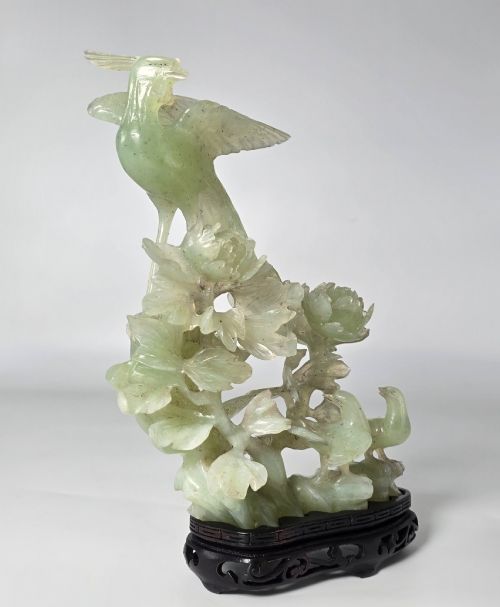
Simpler works rely entirely on the natural shape of the stone with minimal surface incision. The presence of detailed secondary elements, such as intricate scales on dragon carvings or fine feather work on bird studies, elevates the piece.
The Carved Soapstone Sculpture Glossary
- Soapstone
- A metamorphic rock composed largely of talc, prized for its soft, soapy texture and ease of carving. It readily accepts fine detail and takes a smooth polish.
- Steatite
- An alternative geological name for massive talc or soapstone. It is frequently utilised interchangeably in historical descriptions of carved Asian and African objects.
- Shoulao
- The Chinese Taoist god of longevity, commonly depicted with a high forehead and a staff. He is a frequent subject in nineteenth century carved figures.
- Shi Shi
- Guardian lions or Foo Dogs traditionally placed outside temples and official buildings. In sculpture, they are often rendered with curling mannes and fierce expressions.
- Seal
- A carved stamp or chop utilised for applying an ink signature. Many historical examples feature intricate animal or figural handles carved from the same stone.
Carved Soapstone Sculpture: Frequently Asked Questions
How do I care for soapstone sculptures?
Soapstone is a relatively soft mineral that can be scratched or marked by harder objects. Dust the surface gently with a dry, soft cloth and avoid chemical cleaners.
Keep the pieces out of direct sunlight and away from excessive moisture to preserve the natural finish of the stone and any accompanying hardwood bases.
What periods do these sculptures date from?
The listings on this page predominantly date from the nineteenth century, including specific pieces from the Qing Dynasty, through to the early decades of the twentieth century around 1930.
Chronological attribution relies on stylistic conventions, carving depth, and traditional subject matter associated with late Qing and Republic period workshops.
Are these pieces purely decorative?
While many examples function strictly as decorative statues, figures, and portrait busts, several items served practical roles in traditional studies.
Objects such as carved seals and desk accessories were utilised for stamping documents and personal identification by scholars and officials.
How do Chinese and African carvings differ?
Chinese carvings in the evidence typically focus on traditional iconography, deities, scholars, and mythical creatures such as dragons and Foo Dogs, often paired with hardwood stands.
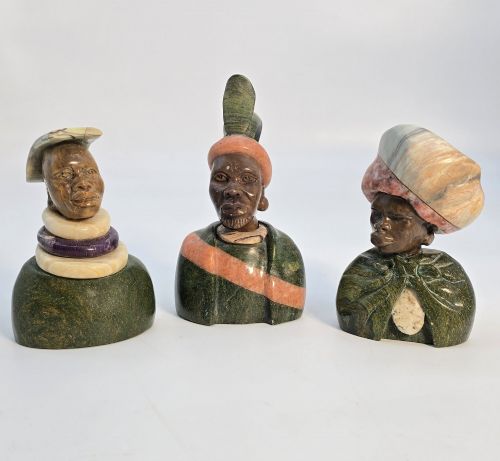
African examples in the listings tend to feature portrait busts and folk art interpretations executed in stone without the elaborate architectural or scholarly associations of the Asian pieces.