


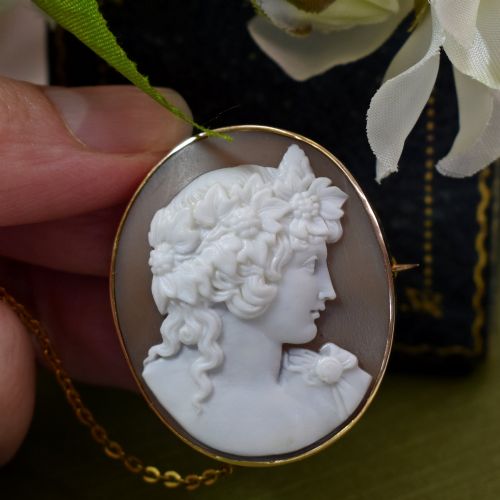

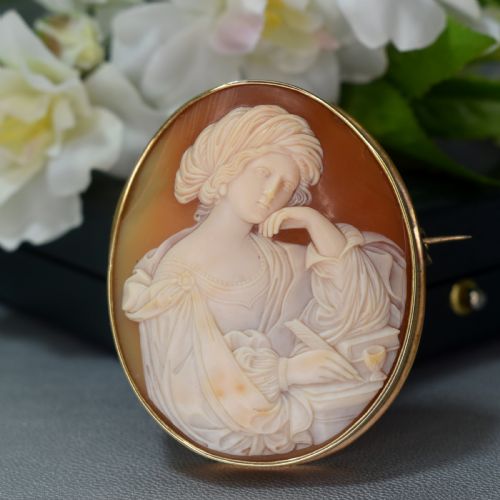


Carved Shell Portrait
A carved shell portrait captures classical profiles and deities in relief, offering portable art that shifts from Victorian brooches to Edwardian pendants.
Carved Shell Portrait
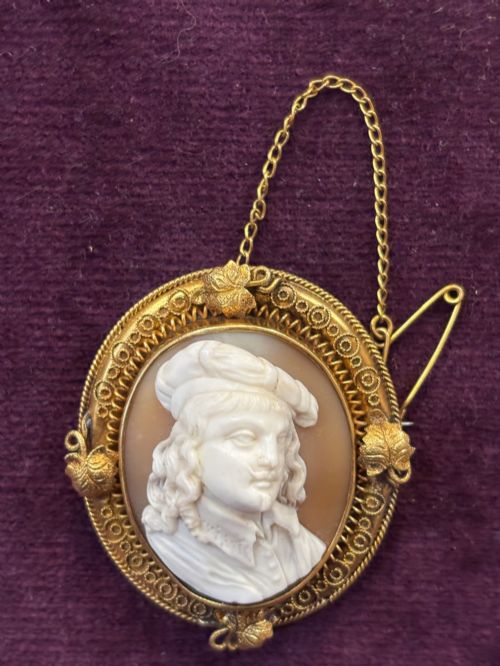
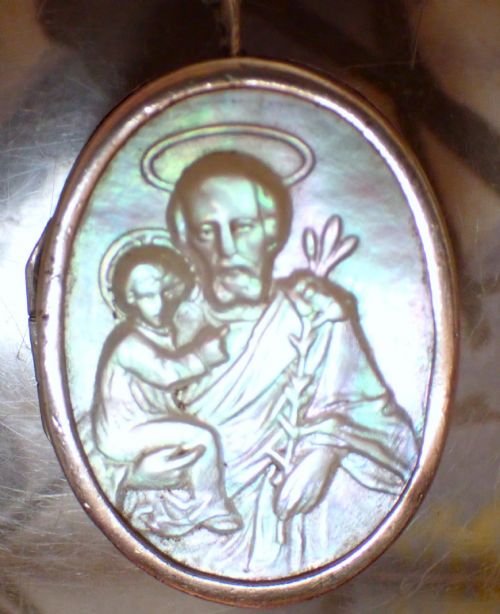
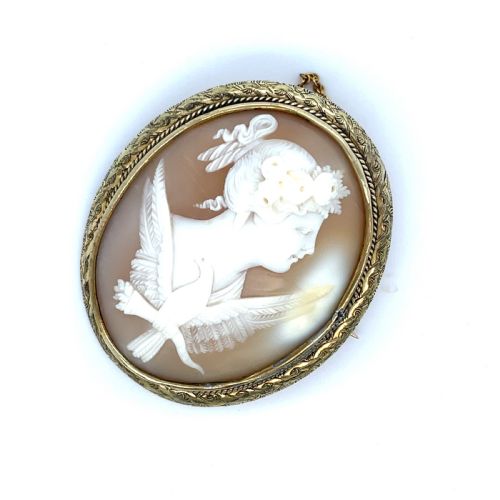
When you search for a carved shell portrait, you encounter miniature relief sculptures carved directly into the layers of natural shells. The pieces on this page span the Victorian and Edwardian eras, alongside mid-century examples.
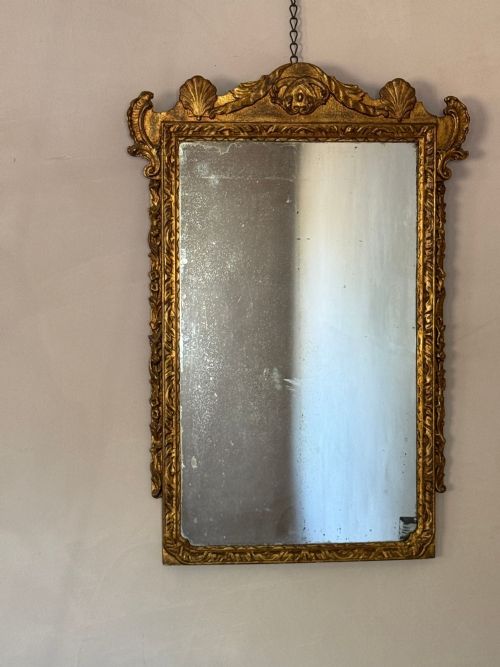
Most items take the form of wearable jewellery, notably brooches, earrings, pendants, and lockets mounted in gold, silver, or pinchbeck. Alongside personal ornaments, the selection includes tabletop pieces and wall mirrors framed in giltwood or walnut.
Subjects draw heavily from classical antiquity, featuring deities like Aphrodite and Flora, historical figures such as Bonnie Prince Charlie, and mythological figures rendered with meticulous detail.
Materials and Techniques
Carvers utilise natural shells, including conch, selecting specimens with contrasting coloured layers to create depth between the raised portrait and the background. The upper layer is painstakingly pared away using small gravers to reveal the subject.
Mounts require specialist metalwork, utilising gold alloys ranging from 9ct to 20ct, as well as silver, pinchbeck, and filigree work. Gemstones such as pearls and coral occasionally accent the frames, while mirrors incorporate carved giltwood and walnut.
Carved Shell Portrait Retail Price Guide 2026
Typical asking prices for carved shell portrait among the pieces listed under this phrase on Sellingantiques today, from the lower quarter to the upper quarter. They describe what is for sale here now, not the wider market.
Listings feature items mounted in 9ct, 14ct, 15ct, 18ct, and 20ct gold, alongside silver, pinchbeck, and walnut.
Markers of Quality
The substance and detailing of the metal mount indicate overall standard. Solid gold or heavy silver frames with fine filigree or detailed wirework generally accompany more accomplished portraits.
R. Pernice
The Carved Shell Portrait Glossary
- Cameo
- A method of carving an object such as an engraved gem, item of jewellery, or vessel where a relief is created on a contrasting background. Shell cameos rely on the natural colour zones of marine mollusc shells.
- Pinchbeck
- An alloy of copper and zinc invented in the eighteenth century to imitate gold. It provides a warm metallic appearance commonly found in period jewellery mounts.
- Filigree
- Delicate ornamental work of fine wire, usually of gold or silver, formed into twists and interlaced patterns. This technique frequently frames Victorian portrait pieces.
- Giltwood
- Wood, such as walnut or carved timber, that has been covered with a thin layer of gold leaf or gesso and gold paint. It appears on larger decorative frames and mirrors.
Carved Shell Portrait: Frequently Asked Questions
What is a shell cameo portrait?
A shell cameo portrait is a miniature carving on a shell layer depicting a classical figure, deity, or historical personage. These carvings utilise the colour contrast between the top layer and the darker backing.
They most frequently appear set into brooches, pendants, and earrings mounted in gold or silver during the Victorian and Edwardian periods.
How do I wear a antique brooch?
Antique portrait brooches suit lapels, heavy wool scarves, or the fastening of a collar. Ensure the pin catch is secure before wearing.
Because these shell carvings have delicate relief work, avoid wearing them where they might suffer sharp impacts against hard surfaces.
How do I date a shell cameo?
Dating relies on the style of the metal mount, the subject matter, and the depth of the carving. Victorian pieces often feature heavy gold frames and classical motifs, while Edwardian examples can incorporate lighter silver or refined gold work.
Hallmarks on the metal mounts provide the most precise date for the piece.