




Carved Shelf Overmantel
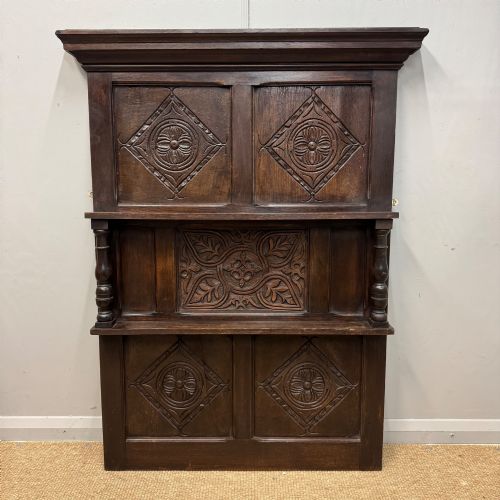
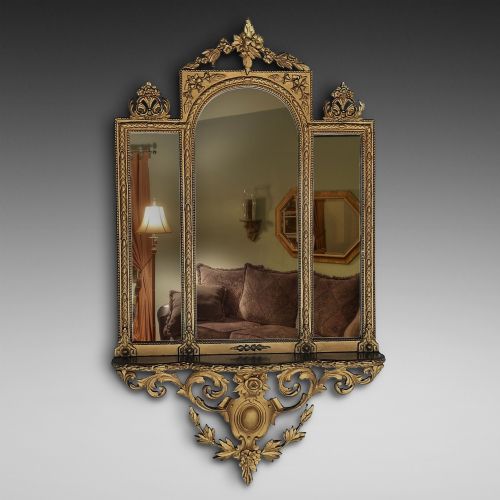
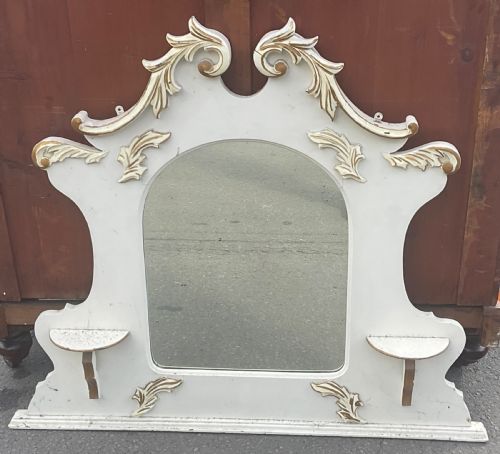
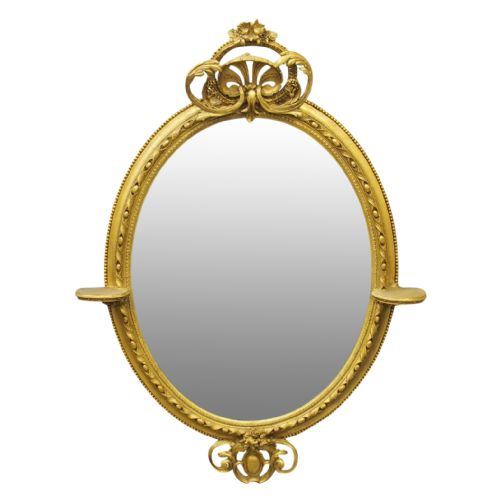
A carved shelf overmantel anchors a chimney breast with practical display space and reflected light, bringing genuine nineteenth and early twentieth-century presence to a room.
Carved Shelf Overmantel
A carved shelf overmantel combines a substantial timber framework with integrated mirror glass and a display ledge designed to sit directly above a fireplace. These architectural fittings anchor a room, offering both a functional mantelpiece extension and a decorative architectural focal point.
You are most likely to encounter Victorian and Edwardian examples on this page, spanning styles from Gothic and Rococo revivals to Moorish and Arts and Crafts interpretations. Woods such as oak, mahogany, rosewood and walnut predominate, frequently complemented by giltwood or painted finishes.
The objects listed range from simple nineteenth-century oak panels and small Edwardian wall mirrors to large giltwood oval glasses and walnut display cabinets. Their primary purpose is to reflect light into the interior while providing a dedicated surface for ornaments.
How they were made
Makers constructed the structural frames of these overmantels using solid hardwoods including oak, mahogany, walnut and rosewood, joined with traditional cabinetmaking techniques. Timber was selected for grain and stability to support the weight of the central mirror glass and projecting display shelf.
Decorative surfaces relied on hand carving, fretwork piercing and applied gesso, alongside specialised finishes such as black lacquer and gilding. Mirror glass was individually silvered and fitted into rebates behind wooden mouldings or secured with retaining slips.
Listings feature periods spanning from 1800 through the Victorian era and Edwardian years, utilising woods like oak, mahogany, rosewood, and walnut alongside giltwood.
What varies in quality
The distinction between ordinary and superior pieces rests on the depth and crispness of the hand carving and the integrity of the timber frame. Fine examples exhibit articulate joinery, well-defined architectural mouldings, and harmonious proportions between the shelf and the glass.
Surface treatment significantly influences character, from the rich patina of polished mahogany and oak to the careful application of gold leaf on giltwood frames. Original mirror plates retaining their early silvering and subtle distortions also elevate an overmantel's authenticity.
Liberty & Co
The Carved Shelf Overmantel Glossary
- Overmantel
- A mirror or decorative structure designed to be hung or placed specifically on the wall directly above a mantelpiece. These pieces often incorporate display shelves and elaborate timber or gilt frames.
- Giltwood
- Timber, typically carved gesso-coated wood, treated with a thin layer of gold leaf or metallic powder. It provides a reflective, luxurious surface popular in Victorian formal interiors.
- Fretwork
- Ornamental perforated woodwork created by cutting intricate patterns through a thin board. This technique is frequently seen on Victorian mahogany mirror frames to lighten their visual weight.
- Gesso
- A plaster-like mixture applied to wood surfaces as a smooth base for gilding and fine decorative moulding. It allows for crisp relief details on Victorian frames.
- Moorish Revival
- An architectural and decorative style drawing on Islamic design motifs, featuring intricate geometric lattice and horseshoe arches. Pieces in this idiom often reflect late nineteenth-century exoticism.
Carved Shelf Overmantel: Frequently Asked Questions
How do I hang a heavy overmantel?
Heavy timber and glass overmantels require secure fixing directly into masonry walls using heavy-duty steel brackets or mirror plates screwed into wall plugs. It is essential to transfer the weight safely rather than relying solely on picture wire.
Professional installation ensures the overmantel remains stable on the chimney breast, protecting both the antique frame and the wall structure below.
Were these always meant for fireplaces?
While specifically proportioned to sit above mantelpieces and anchor hearth areas, many large overmantels were also used as principal wall mirrors in grand reception rooms. Their reflective glass and shelves served both functional and decorative purposes across various Victorian and Edwardian interiors.
Today, they function equally well mounted above low sideboards or console tables where an architectural backdrop is desired.
How do I clean antique mirror glass?
Antique mirror glass should be cleaned sparingly using a soft, dry microfiber cloth to remove dust. Avoid harsh chemical sprays that can seep behind the edges of the glass and damage the original silvering.
If moisture is necessary, apply a mild soap solution directly to the cloth rather than spraying the glass surface, taking care near wooden frames.
Can I place items on the shelf?
The integrated shelves were historically designed to display small decorative ceramics, clocks, or candlesticks. Keep objects relatively light to prevent undue strain on the shelf brackets and overall timber structure.
Ensure items placed on the wood do not have abrasive bases that could scratch the polished mahogany, oak, or lacquered finish.