





Carved Ram Head
These carved ram head pieces bring classical and rustic character into a room through enduring forms in mahogany, marble, and iron.
Carved Ram Head
A carved ram head ornament appears across various decorative objects and furniture forms from the Georgian period through to the twentieth century. These pieces emerge in styles ranging from Neoclassical and French Empire to Victorian Rustic and Baroque, reflecting shifts in classical revival taste over time.
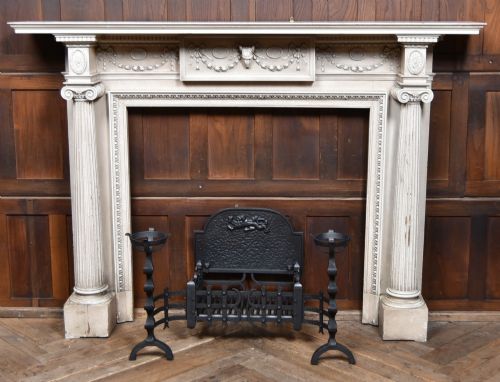
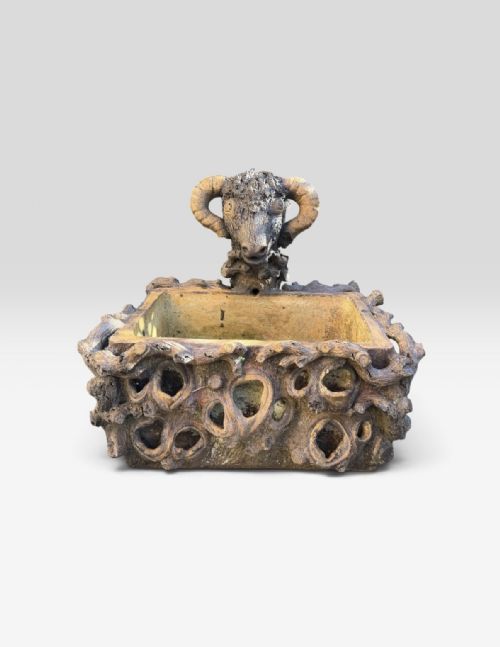
On this page, buyers most frequently encounter seating, tables, and architectural accessories that incorporate these sculptural motifs into their design. Examples span from occasional chairs and console tables to fire surrounds and salt-glazed troughs, demonstrating diverse practical and decorative applications.
The origins of these items stretch from British workshops to French ateliers and Anglo-Indian makers, each interpreting the horned motif through local material choices. Mahogany, marble, ceramic, and cast iron all serve as media for this enduring classical emblem.
Materials and construction
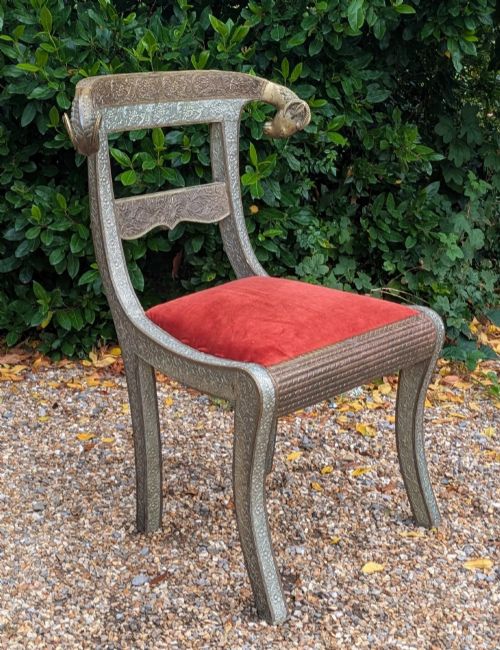
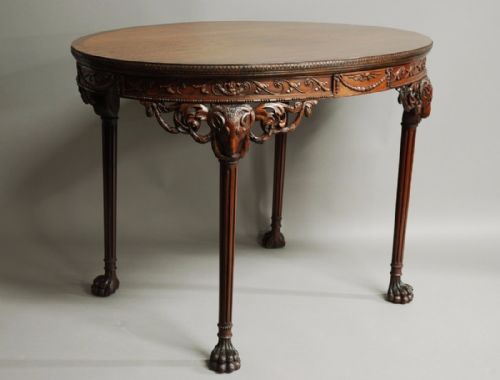
Makers utilised dense timbers such as mahogany, walnut, and oak to carve detailed ram heads directly into structural frames or applied decorative elements. These wooden components often work alongside painted wood finishes and leather upholstery to create contrasting textures within furniture.
Stoneware, ceramic, and marble provide weighty, durable alternatives for troughs, planters, and console table tops. Metal components, including cast iron and silver metal sheet, appear where structural strength or reflective surface detail is required.
Carved Ram Head Retail Price Guide 2026
Typical asking prices for carved ram head among the pieces listed under this phrase on Sellingantiques today, from the lower quarter to the upper quarter. They describe what is for sale here now, not the wider market.
Materials across these listings include mahogany, marble, salt-glazed stoneware, ceramic, painted wood, cast iron, silver metal sheet, and timber.
Assessing quality and execution
The depth and crispness of the carving distinguish finer examples from simpler production, particularly where horns and fleece texture meet the main structure. Sharp definition in wood or stone indicates a skilled hand at work.
Material selection and integrity drive the distinction between standard and superior pieces, such as heavy marble tops paired with detailed cast or carved bases. The harmony between the sculptural ram head motif and the broader object proportions dictates visual success.
The Carved Ram Head Glossary
- Neoclassical
- A style drawing inspiration from the classical art and architecture of ancient Greece and Rome. It frequently incorporates motifs such as ram heads, urns, and swags into furniture and decoration.
- Gueridon
- A small French table supported by one or more columns or figures. These tables often stand on tripod bases and appear in various classical revival styles.
- Fauteuil
- An open-armed upholstered armchair with exposed wooden framing. French examples often display carved decorative elements along the arm supports and rails.
- Salt-Glazed Stoneware
- Pottery fired at high temperatures with salt introduced to the kiln, creating a characteristic orange-peel texture on the surface. This durable ceramic withstands outdoor and utilitarian use.
- Torchere
- A tall decorative stand or pedestal designed to support a light source or decorative object. They are frequently turned or carved from timbers like mahogany.
Carved Ram Head: Frequently Asked Questions
What periods do carved ram head pieces come from?
The pieces span from the Georgian era through the nineteenth century and into the early twentieth century. Styles include Neoclassical, French Empire, Baroque, and Victorian Rustic.
Maker interpretations shift across these decades, utilising woods like mahogany and walnut alongside marble, ceramic, and cast iron.
How were ram heads used in furniture design?
Ram heads function primarily as decorative terminals on arm supports, console table corners, and architectural fireplace surrounds. They also adorn pedestals, gueridon tables, and salt-glazed troughs.
Craftsmen carved these motifs directly into structural timber or cast them in metal to evoke classical antiquity.
Are these items strictly decorative or functional?
Most items serve a practical purpose alongside their sculptural ornamentation, including seating, tables, planters, and fire surrounds. Occasional chairs, window seats, and library armchairs remain entirely usable for seating.
Planters and troughs manage botanical displays, while console tables and torcheres provide surface area and display space.
What materials should I expect to find?
Timbers form the foundation of most seating and tables, with mahogany, oak, and walnut appearing frequently. Marble provides heavy, polished tops for console tables.
Other materials include cast iron, painted wood, ceramic, salt-glazed stoneware, and silver metal sheet applied for decorative effect.
How do I identify French Empire pieces?
French Empire and Louis XVI style pieces display strict classical symmetry, often incorporating gilt or dark wood finishes. Carved ram heads on these items reference ancient Roman and Greek ornament.
Construction details and show frames in walnut or mahogany align with continental European cabinet-making traditions of the nineteenth century.