

Carved Pierced Splat Chairs
Carved pierced splat chairs are seating with intricately worked back supports, sought after for their refined silhouette and craftsmanship.
Carved Pierced Splat Chairs
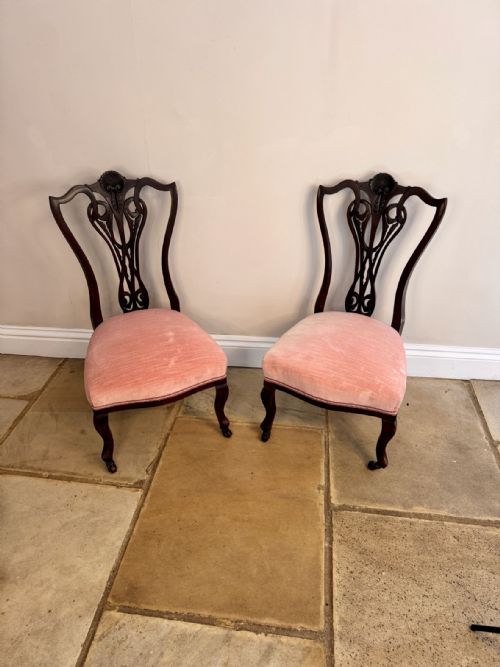
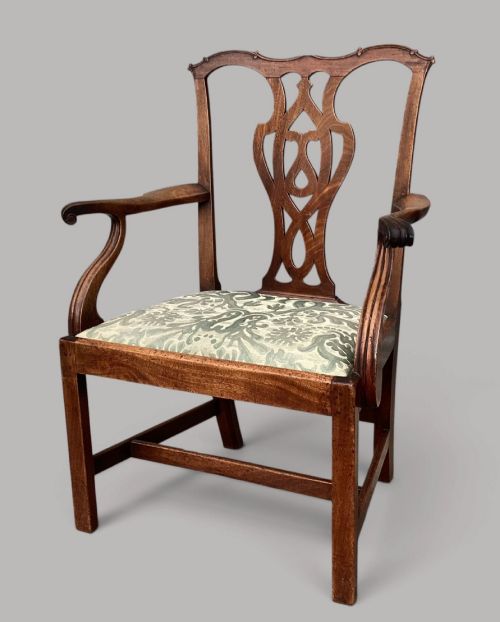
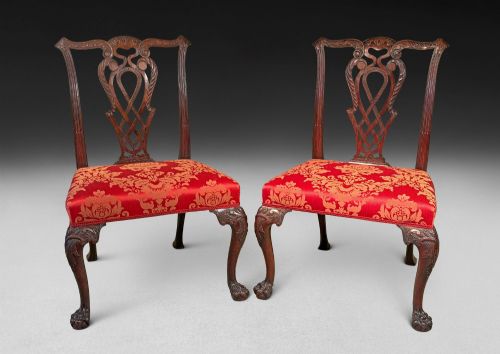
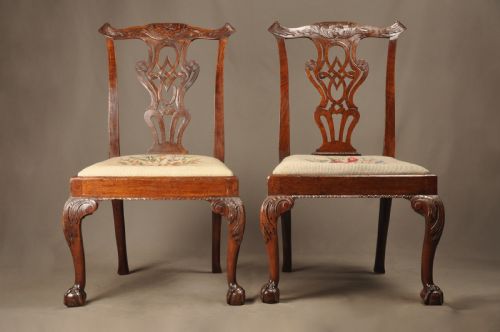
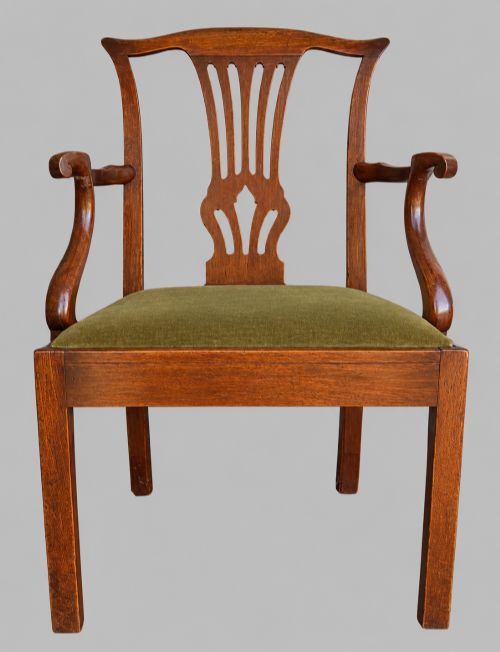
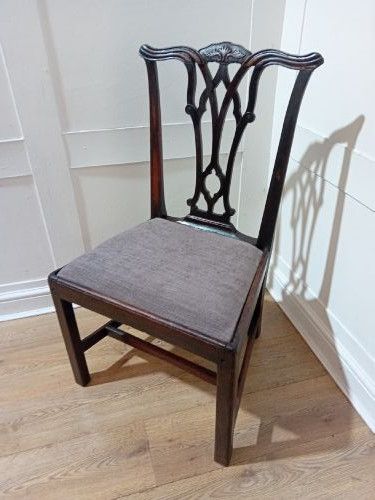
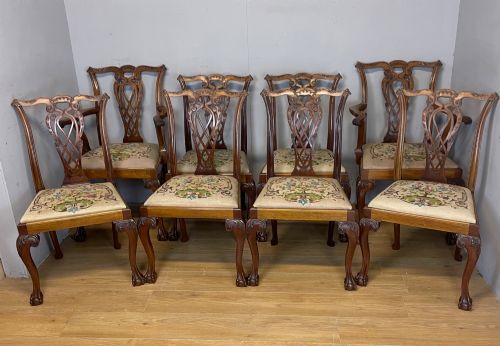
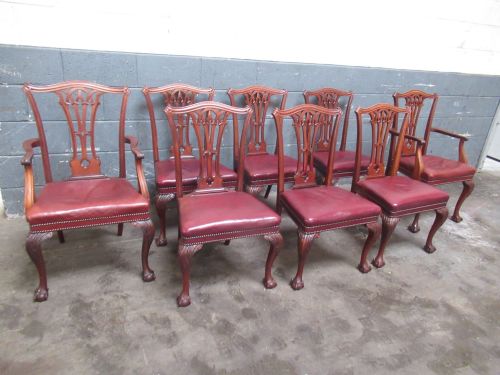
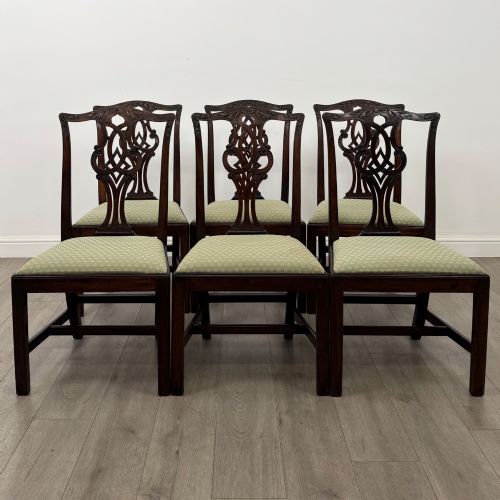
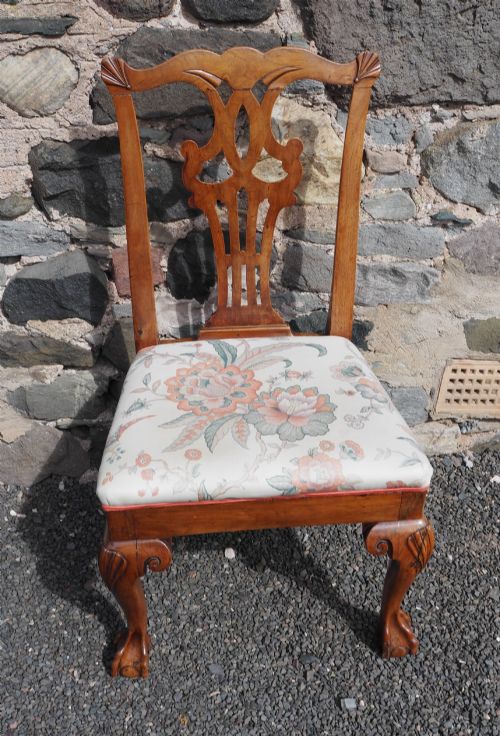
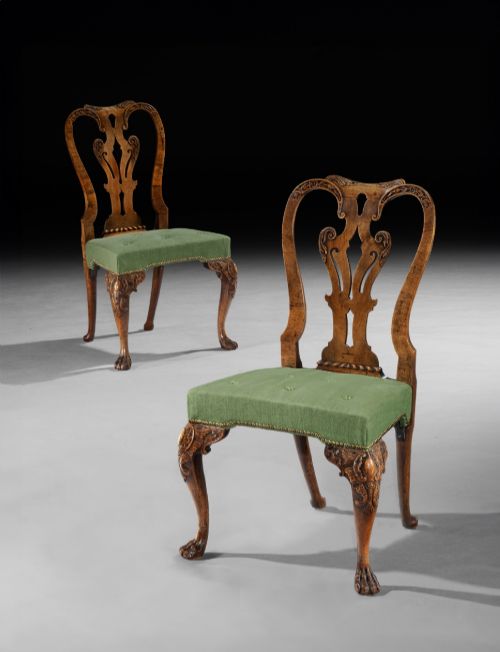
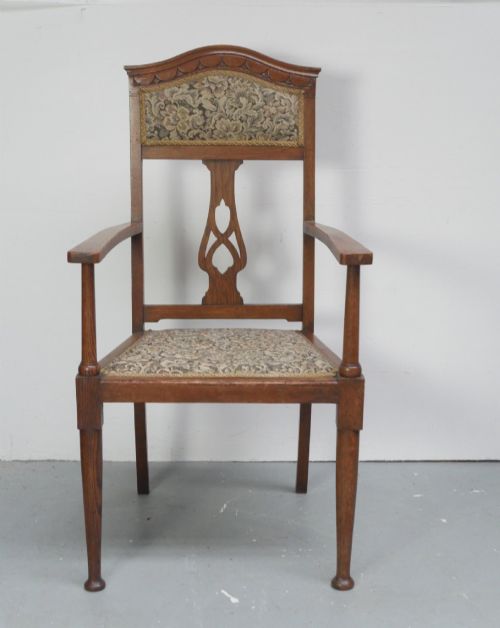
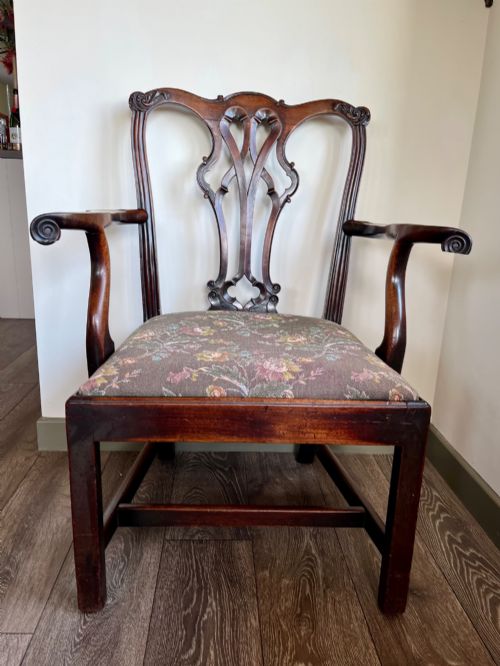
When you search for carved pierced splat chairs, you encounter seating developed across the eighteenth and nineteenth centuries, taking forms such as side chairs, armchairs, and dining sets. The backbone of this design is the vertical timber splat in the centre of the backrest, cut through and shaped to create open patterns.
The versions most commonly met on this page date from the Georgian period through to later revivals like the Chippendale style, executed primarily in mahogany and walnut. These pieces range from individual desk and hall chairs to large sets intended for formal dining rooms.
How they were made
Cabinet makers utilised dense hardwoods, predominantly mahogany and walnut, which permitted the intricate sawing and chiselling required for openwork splats without compromising structural integrity. Timber was selected for grain alignment to ensure the backrest could withstand leaning pressure despite the material removed by piercing.
Joinery relied on traditional mortise and tenon construction, frequently complemented by drop-in seats upholstered in fabric, leather, or velvet, secured within the wooden frame. Carved details such as cabriole legs, ball and claw feet, and interlaced ribbon motifs on the splat were hand-chiselled by skilled artisans.
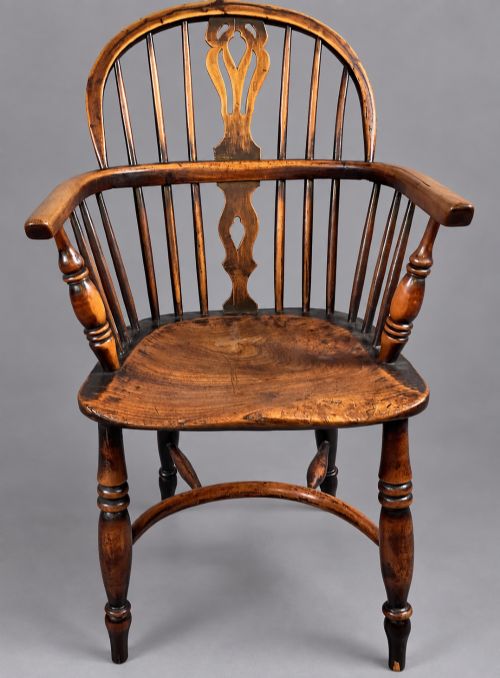
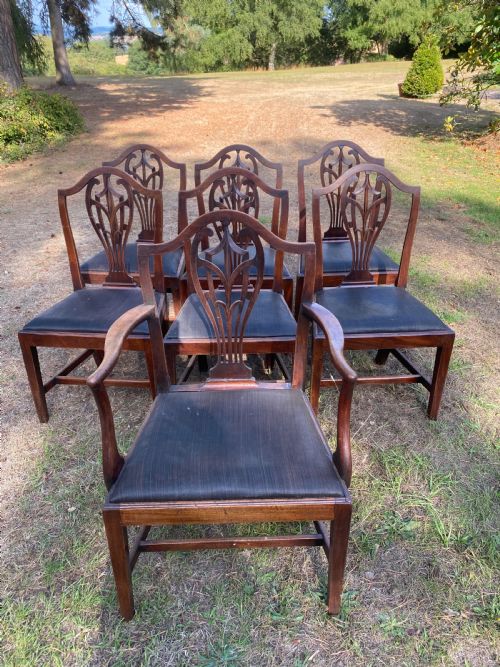
One lonely child got a Windsor arm chair while the adults dined in sets of eight.
What varies in quality
The distinction between tiers of execution rests in the crispness and depth of the carving on the splat and frame, where hand-tooled execution displays sharper relief and smoother curves than mechanical or later revival production. The choice of timber grain also dictates visual merit, with richly figured mahogany or burr walnut elevating the presence of the piece.
Structural robustness separates utilitarian examples from masterwork seating, visible in the tightness of the joinery at the seat rail and the retention of original framing components rather than extensive nineteenth-century or modern replacement parts.
Warings·Wheelers of Arncroach
The Carved Pierced Splat Chairs Glossary
- Splat
- The vertical slat of wood occupying the centre of a chair back, connecting the crest rail to the seat. In these pieces, the splat is pierced and shaped into decorative scrollwork or geometric voids.
- Cabriole leg
- A furniture leg that curves outward at the knee and tapers inward toward the foot, mimicking animal limbs. It frequently terminates in a ball and claw or pad foot on eighteenth-century examples.
- Drop-in seat
- A removable wooden frame upholstered with fabric, leather, or velvet that drops into a rebate in the chair seat rails. This construction allowed for straightforward reupholstery without dismantling the main frame.
- Chippendale style
- A furniture design vocabulary inspired by the mid-eighteenth-century pattern books of Thomas Chippendale. It heavily incorporates carved pierced splats, Gothic arches, and ribbon-back motifs.
- Elbow chair
- An armchair featuring open sides with armrests supported by the front seat posts. These were often produced as carvers to accompany matching sets of dining side chairs.
Carved Pierced Splat Chairs: Frequently Asked Questions
How do I identify a Georgian original?
Examine the timber underneath and inside the seat frame for signs of eighteenth-century tool marks, such as pit-sawing or hand-chiselling. Original surfaces display a patina and dry wax finish developed through generations of use.
Check the construction of the pierced splat to ensure it is integrated into the rear uprights and seat rail rather than screw-fitted or pinned with modern hardware.
Were these chairs used for dining?
Many examples on this page formed part of large dining sets intended around formal tables. Side chairs without arms predominated in sets, accompanied by a pair of armchairs for the heads of the table.
Single chairs were also utilised in halls, libraries, and bedrooms as desk or occasional seating, functioning as functional display pieces against walls when not occupied.
What is the difference between original and revival pieces?
Eighteenth-century originals carry the specific wear patterns, timber shrinkage, and hand-cut joinery characteristic of period workshop production. Revival pieces from the late nineteenth and early twentieth centuries utilise machine-assisted timber preparation while mimicking earlier styles.
Revival furniture often employs standardised dimensions and modern adhesives, whereas older chairs reveal subtle asymmetries resulting from individual hand-crafting.
How should I care for the wood and upholstery?
Maintain the timber surfaces by applying natural beeswax sparingly and buffing with a soft cloth to preserve the finish. Avoid placing chairs in direct sunlight or near heat sources to prevent timber splitting.
Protect fabric, leather, or velvet seat upholstery through gentle vacuuming with a soft brush attachment and professional cleaning for textiles.