
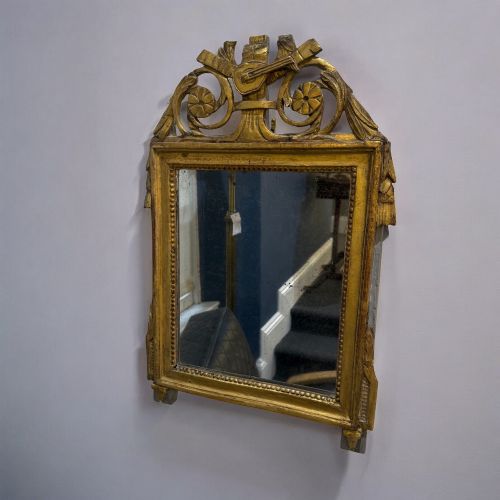
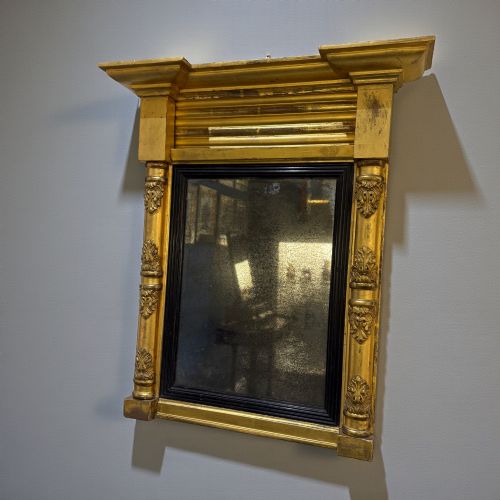
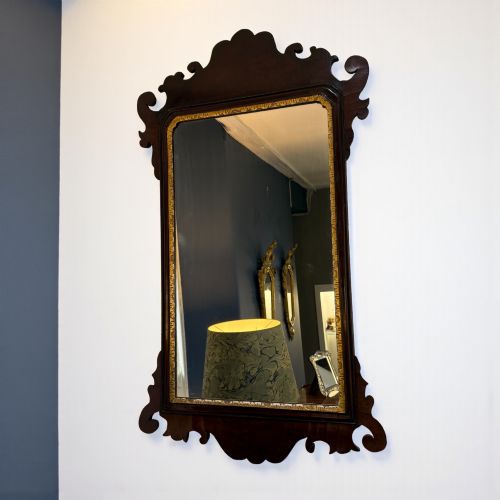
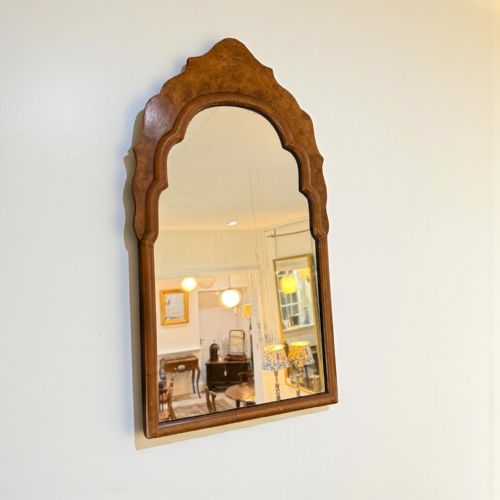
Carved Pier Glass
A carved pier glass brings height, light and formal proportion to a room, hung traditionally between two windows to reflect the daylight.
Carved Pier Glass
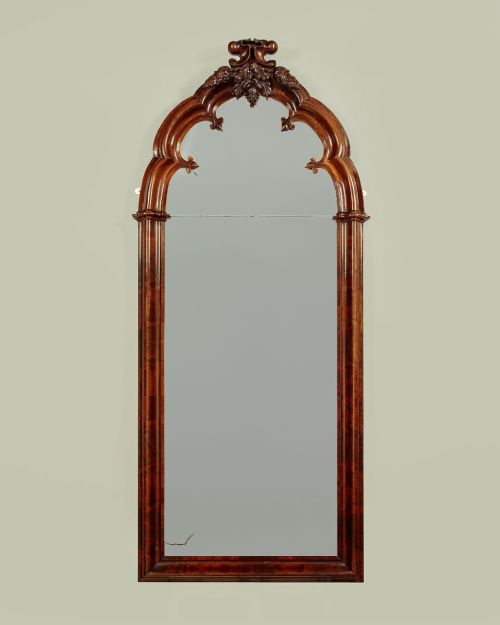
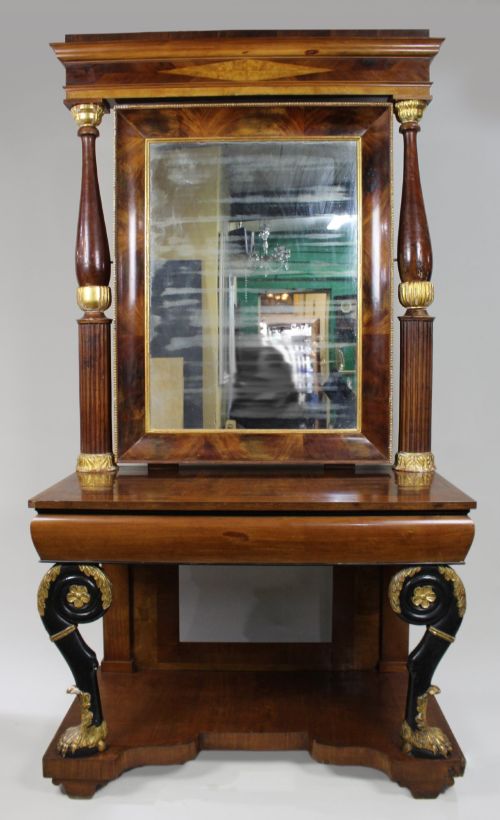
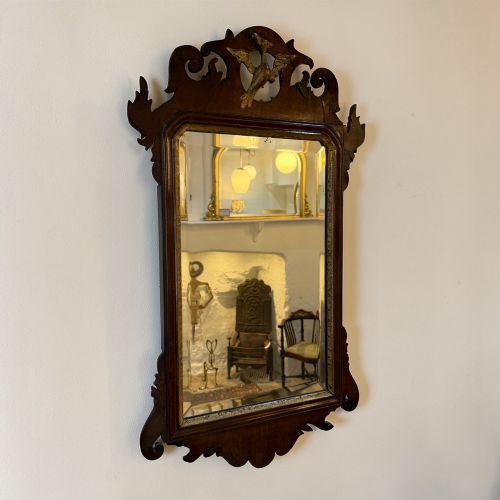
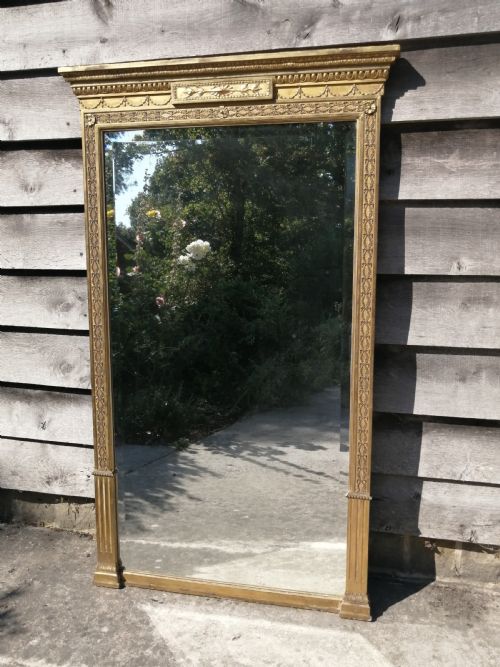
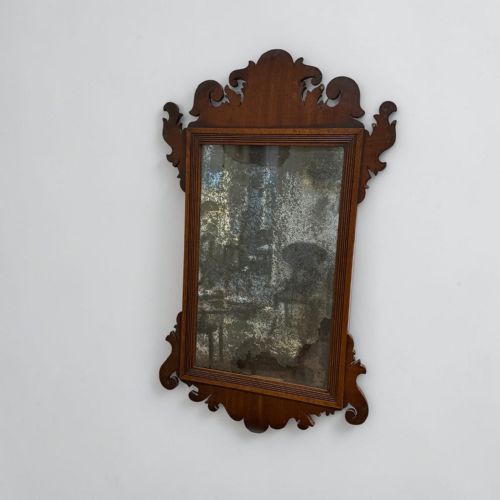
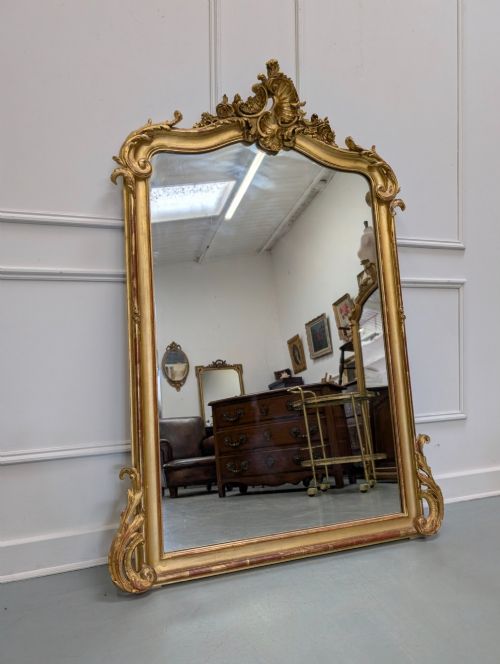
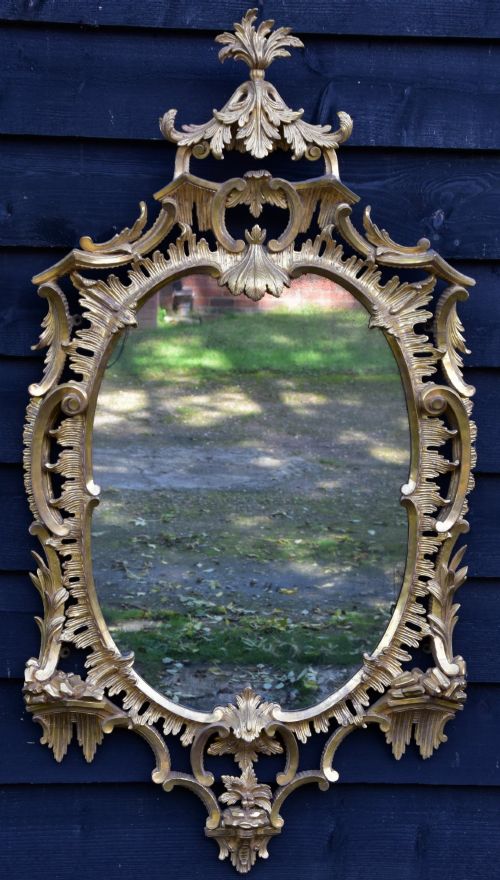
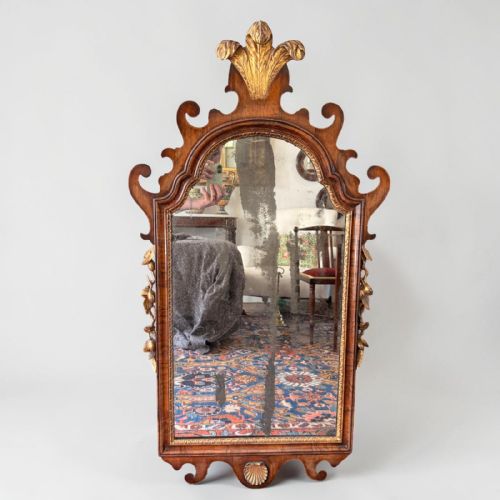
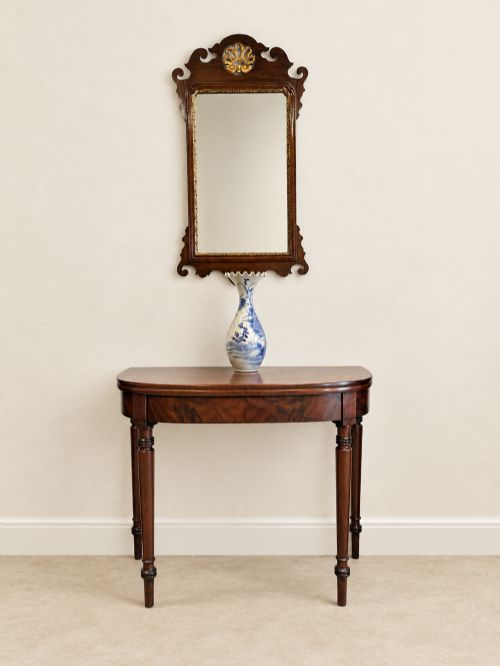
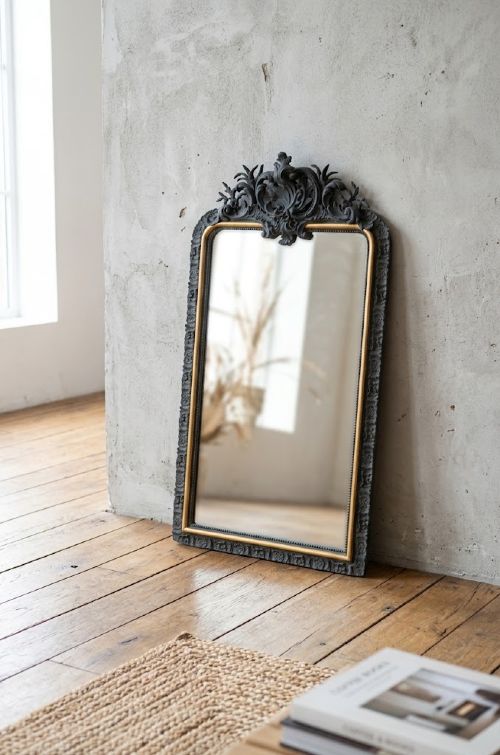
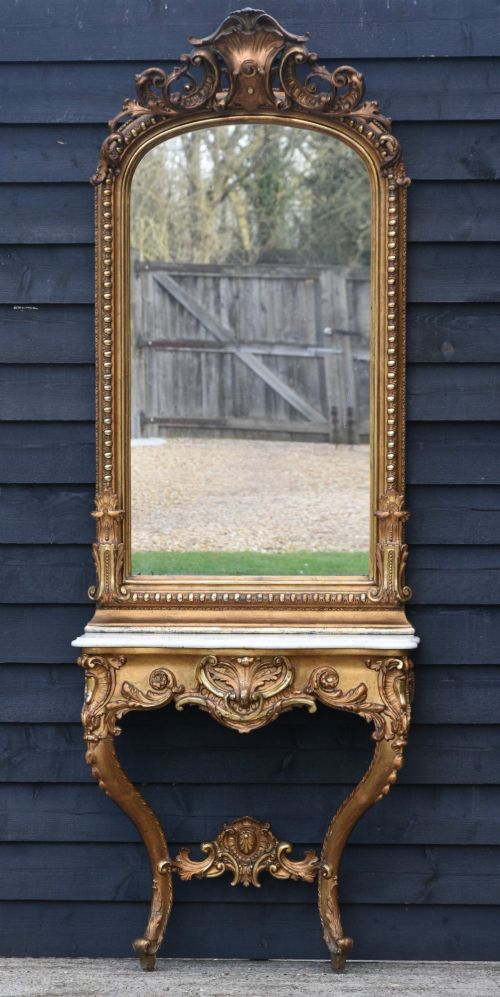
A carved pier glass is a tall wall-mounted mirror designed specifically to occupy the narrow wall space between windows, known as the pier. The examples seen here span centuries of design, ranging from restrained walnut and mahogany frames of the Georgian era to extravagant giltwood and gesso creations from the nineteenth century.
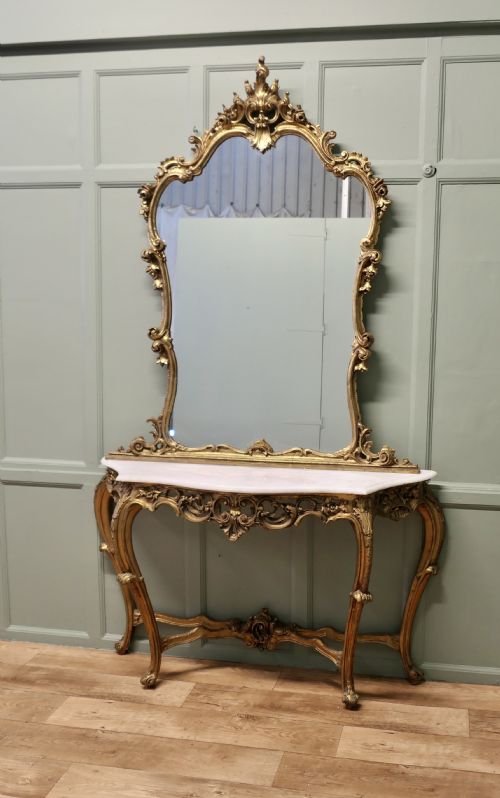
Buyers will most frequently encounter nineteenth-century interpretations on this page, often showing French or Italian influences with elaborate carved wood and gesso frames. Alongside these are earlier eighteenth-century forms, including parcel-gilt mahogany and George II styles, as well as Regency and later revival pieces incorporating painted surfaces or integrated oil paintings.
How they were made
Cabinet makers and carvers built these frames from solid timbers such as mahogany, walnut and sycamore, often applying layers of gesso to wood substrates to create smooth surfaces for intricate relief carving and gilding with gold leaf. Giltwood finishes were burnished to catch the light, while alternative treatments utilised ebonised wood, silvered paint or contrasting parcel-gilt details.
The mirror plates themselves reflect their period of manufacture, with older examples utilising mercury glass that displays characteristic foxing and minor imperfections. Later nineteenth-century additions brought cleaner silvered glass plates and specialist decorative techniques like verre églomisé panels or inset maritime oil paintings.
Some nineteenth-century pier mirrors arrived with secret candle arms so the glass could multiply the evening light before gaslamps took over.
What varies in quality
The distinction between standard and superior examples lies primarily in the crispness and depth of the hand-carving within the wood or gesso frame. Master carvers achieved intricate foliage, scrolls and figural details with sharp undercutting and confident proportion, whereas lesser pieces rely on softer, shallower moulding.
Originality of components also dictates standing, particularly the presence of the original mirror plate rather than a modern replacement. The integrity of the original gilding or finish, combined with balanced architectural proportions, separates workshop pieces of note from more commonplace production.
Gillows Of Lancaster·William Kent·John Belchier
The Carved Pier Glass Glossary
- Pier glass
- A tall mirror designed to hang on the narrow pier of wall between two windows. It often sat above a matching console table.
- Gesso
- A mixture of chalk, gypsum and size applied to a wooden frame to prepare a smooth surface for gilding or painting. It allowed carvers to achieve fine relief decoration.
- Parcel-gilt
- A decorative treatment where portions of a wooden or painted object are highlighted with gold leaf while other areas remain exposed wood or paint. This technique emphasises specific mouldings and carved details.
- Mercury glass
- An early form of mirror glass produced by pouring a molten tin-mercury amalgam behind double-walled glass. It develops characteristic dark spots and foxing over time.
- Verre églomisé
- A cold decoration technique where designs are painted and gilded on the reverse side of glass panels. It frequently appears on Regency pier mirrors above the main glass plate.
Carved Pier Glass: Frequently Asked Questions
Where should I hang a pier glass?
Historically, these mirrors were hung on the narrow wall between two windows to bounce natural light back into the room and make the space feel larger. Today, they work equally well above a low sideboard, console table or fireplace where their vertical proportions can draw the eye upward.
Because of their height, ensure they are secured firmly to structural wall studs using appropriate heavy-duty fixings to support the weight of the timber and glass frame.
How do I spot an original eighteenth-century mirror?
Examine the construction of the wooden frame at the back, looking for period joinery methods such as pegged mortise and tenon joints and older timber shrinkage. The mirror plate itself should ideally show signs of age, such as foxing, slight distortions in the reflection or mercury backing.
Check for consistency in the gesso and gilding layers, as older surfaces accumulate a mellow, undisturbed patina over generations of gentle cleaning.
What is a trumeau mirror?
A trumeau mirror is a specific decorative wall mirror that incorporates an oil painting, printed panel or carved wooden motif directly into the upper section of the frame. Originating largely in France, these pieces served as decorative wall panelling elements rather than purely functional looking glasses.
They bring both art and reflection to a room, frequently featuring pastoral scenes, maritime paintings or classical motifs set above the glass plate.
How do I clean an antique mirror plate?
Use a soft, dry microfibre cloth to gently remove dust from the glass and frame without applying heavy pressure. Avoid spraying commercial cleaning liquids directly onto the glass, as moisture can seep behind old silvering or mercury backing and cause further deterioration.
If cleaning fluid is necessary, apply a minimal amount to the cloth rather than the mirror itself, and keep moisture entirely away from exposed wooden or gilded surfaces.