
Carved Pedestal Console
A carved pedestal console brings architectural form and rich timber to a room, offering a functional surface shaped by nineteenth-century craft.
Carved Pedestal Console
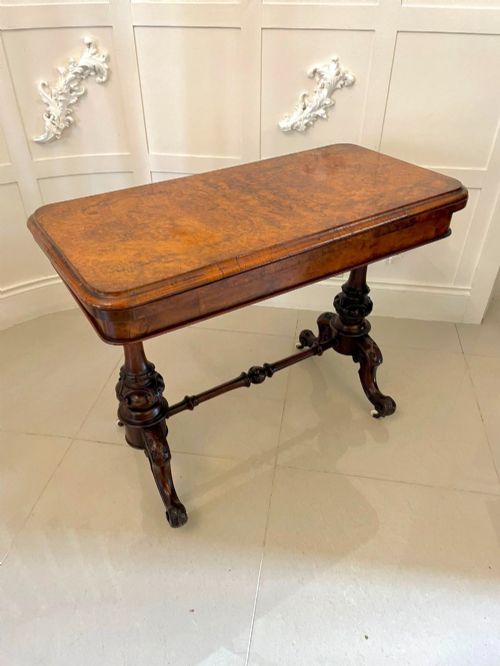
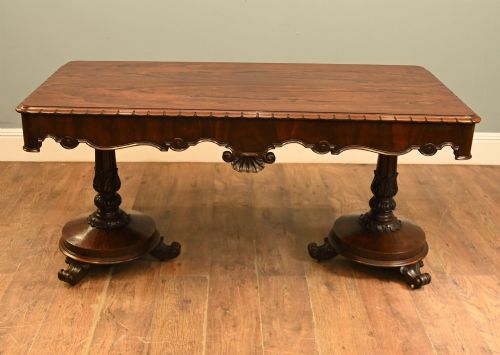
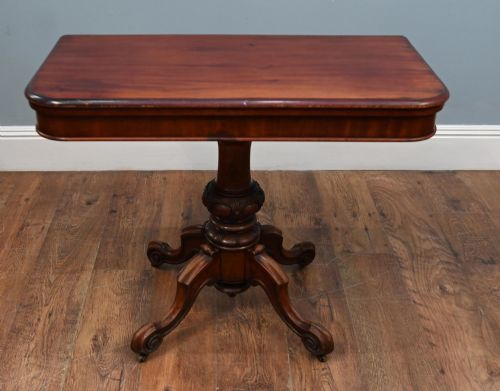
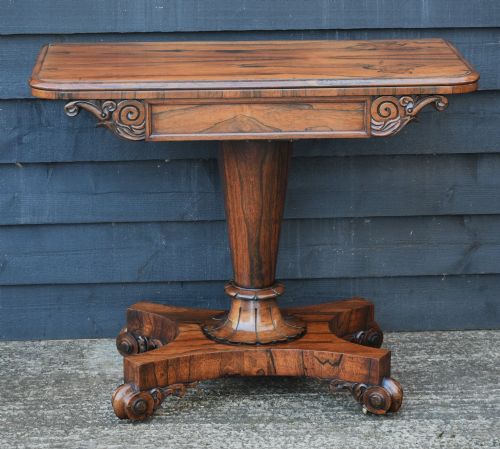
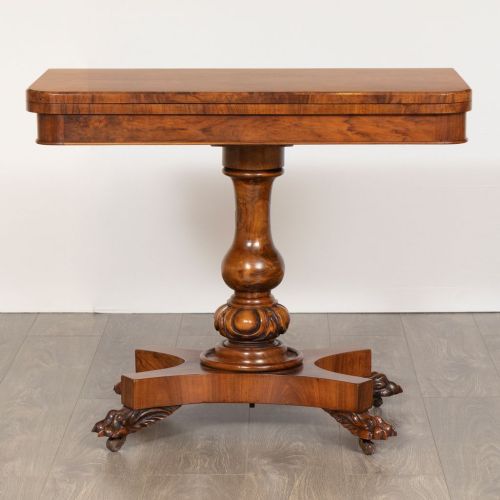
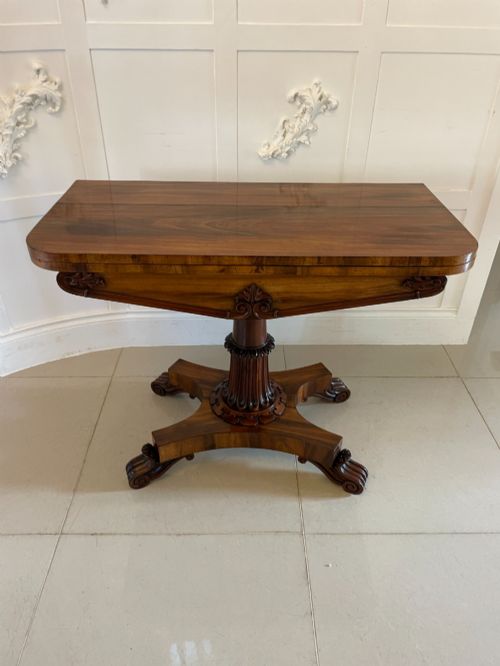
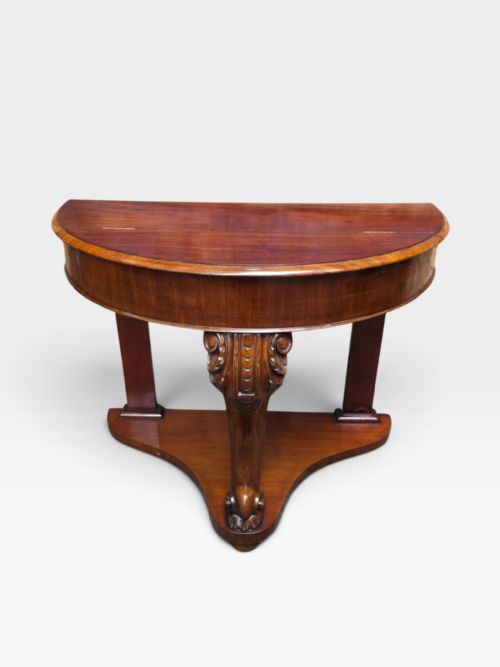
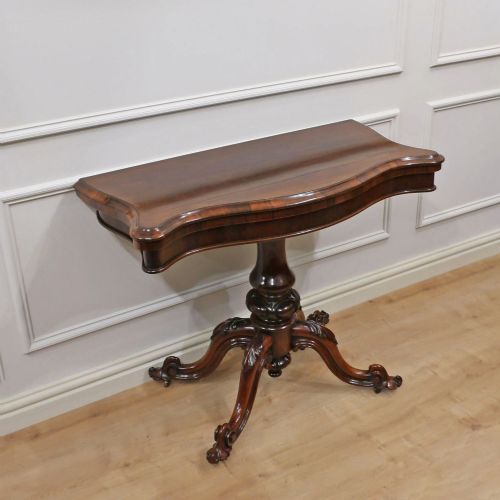
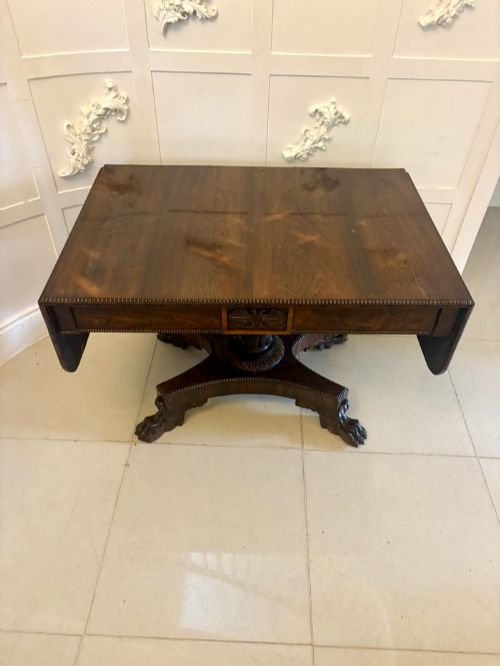
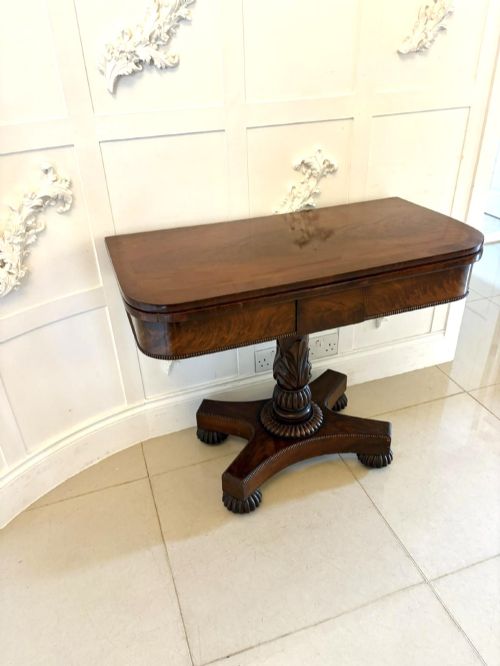
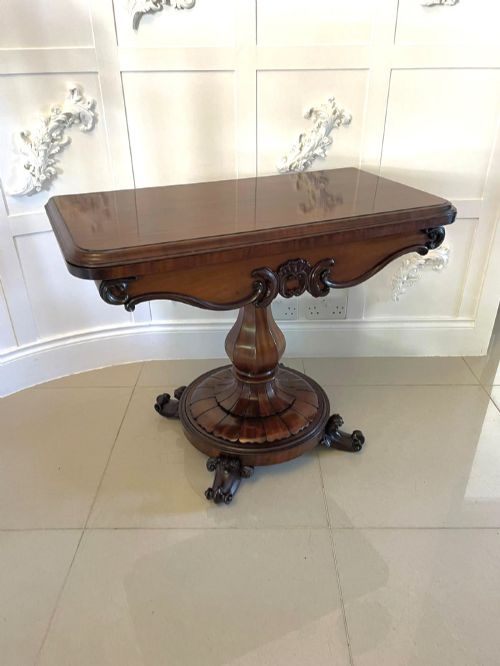
When you search for a carved pedestal console, you enter a category dominated by nineteenth-century tables that often double as card, tea or sofa tables with substantial central supports. The pieces on this page span the Regency, William IV and Victorian periods, manifesting primarily in forms with folding or fixed tops and robust plinths.
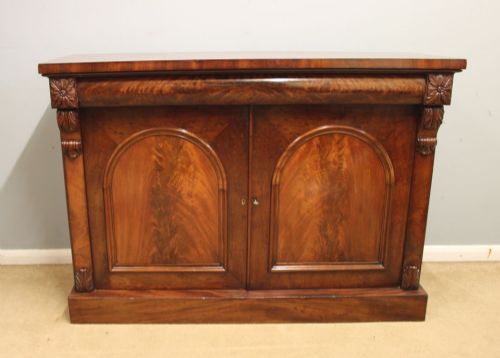
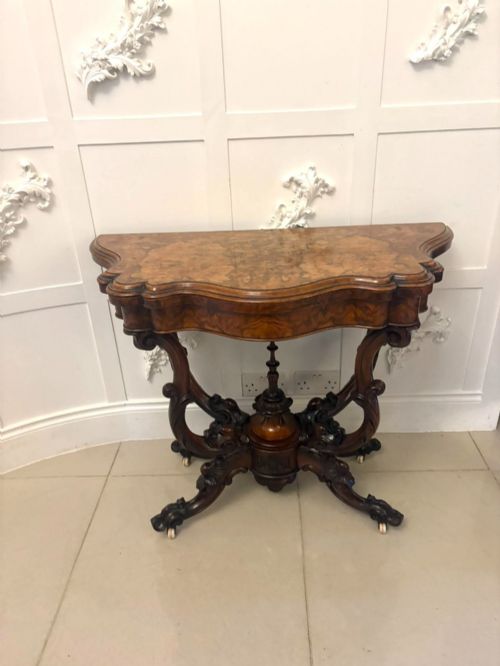
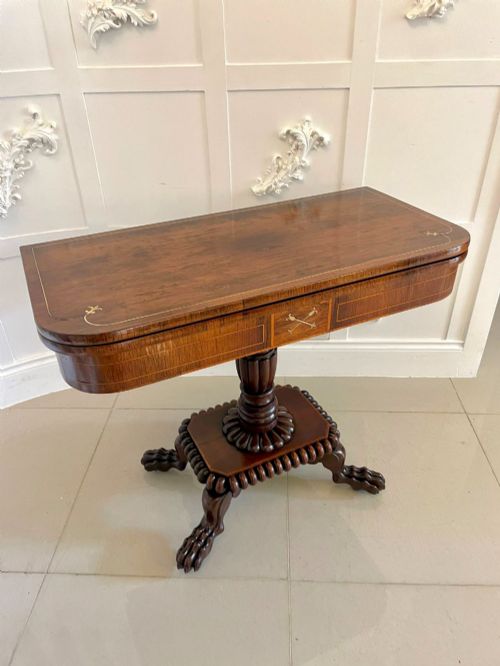
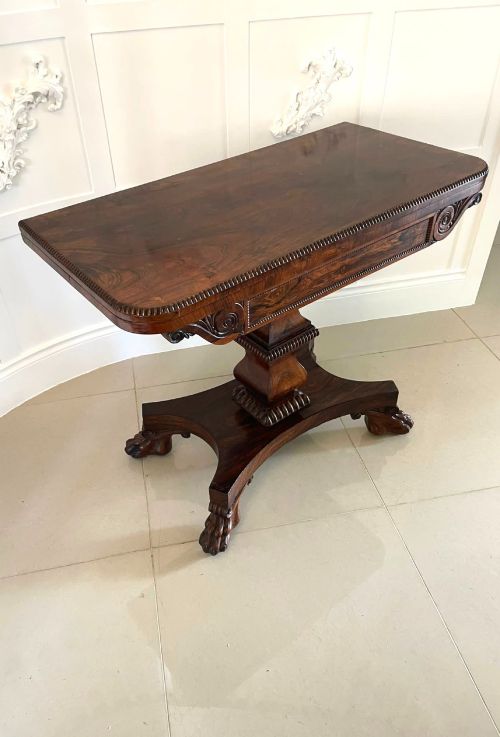
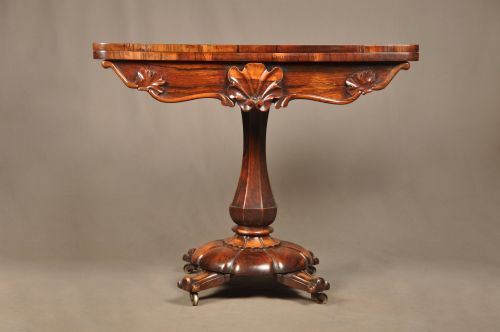
The materials reflect the tastes of Georgian and Victorian cabinet-makers, relying heavily on figured rosewood, mahogany and burr walnut. These timbers are shaped into console tables, side tables and games tables, frequently featuring carved baskets, paw feet or dolphin bases.
Origins stretch from English workshops to Empire Revival and Scandinavian interpretations, showing how diverse regional makers adapted the pedestal console form over the decades. The primary function remains centered on display and occasional entertaining, underpinned by sturdy central columns and platforms.
How they were made
Cabinet-makers of the nineteenth century utilised solid woods and choice veneers, applying mahogany, rosewood and burr walnut over secondary timbers to create striking grain patterns. Brass inlay and ebonised details frequently accent the primary woods, adding linear contrast to the heavy pedestal bases.
Carving was executed by hand on structural elements such as paw feet, dolphin bases and basket supports, demanding precise chisel work to achieve the deep relief seen on Regency and Victorian examples. Turnover and fold-over mechanisms on card and tea tables relied on tight joinery and pivoting hinges concealed within the frieze.
Some nineteenth-century card tables hide their folding mechanisms so cleverly that guests might mistake them for solid console ledges.
What varies in quality
The depth and crispness of the hand-carving on the pedestal and base separate standard output from finer workshop productions. Crisp foliate motifs and sharply defined animal forms indicate superior skill from the maker.
The choice and preservation of veneer quality dictate visual distinction, with well-matched figured walnut or rosewood grain elevating the presence of a console table. Solid timber construction of the central pillar and the integrity of the fold-over mechanism further mark the tier of craftsmanship.
Gillows·Epstein
The Carved Pedestal Console Glossary
- Console table
- A table designed to stand against a wall, frequently supported by front legs or a pedestal base rather than four independent legs.
- Fold-over top
- A hinged table surface that opens to double its area, commonly found on card and tea tables of the Regency and Victorian eras.
- Pedestal base
- A central vertical support resting on a platform or feet, which anchors the weight of heavier console and occasional tables.
- Figured wood
- Timber possessing an attractive, natural grain pattern such as flame mahogany or burr walnut, selected for display surfaces.
Carved Pedestal Console: Frequently Asked Questions
What is a carved pedestal console?
It is a nineteenth-century table supported by a central column or pedestal, designed primarily for placement against a wall or as a multi-functional card and tea table.
These pieces combine architectural pedestals with fold-over or fixed tops, rendered in timbers like mahogany and rosewood.
How were these tables used originally?
They served as decorative sideboards or console surfaces in reception rooms, and opened up for card games or tea service when guests visited.
The pivoting tops allowed households to convert a compact console into a usable gaming surface with baize linings.
How do I identify a Regency period table?
Regency pieces often display classical motifs, rosewood veneers, brass inlay, and distinctive carved supports such as dolphins or paw feet.
Cabinet work from this era emphasises clean architectural lines combined with rich dark timbers and refined brass details.
How do I care for antique rosewood?
Keep nineteenth-century rosewood surfaces away from direct sunlight and extreme heat fluctuations to prevent the timber and veneers from drying out.
Apply gentle beeswax sparingly and buff with a soft cloth to maintain the natural lustre of the figured wood.