





Carved Paw Feet Box
A carved paw feet box brings the bold architectural weight of the Georgian and Regency eras straight into a room.
Carved Paw Feet Box
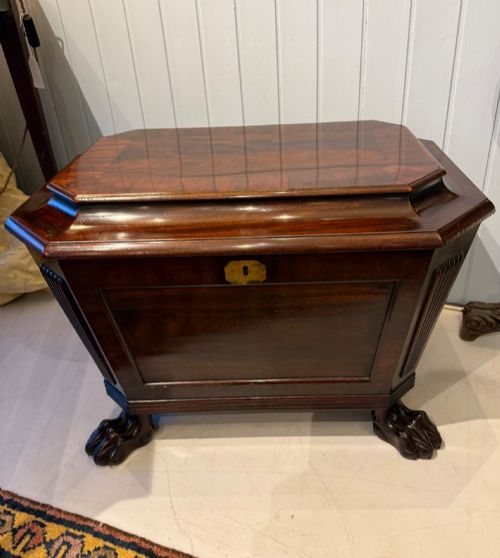
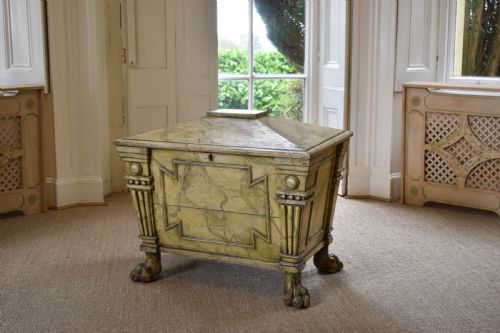
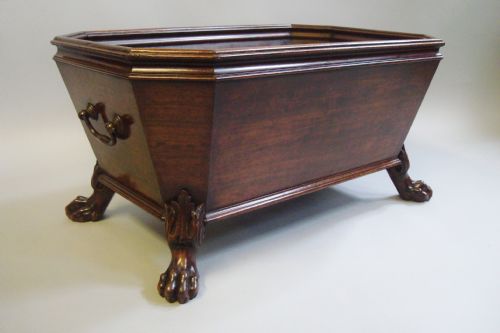
A carved paw feet box most commonly appears on this page in the form of a wine cooler, cellarette, or sarcophagus-shaped container designed to hold bottles.
The pieces span the eighteenth and nineteenth centuries, taking shape in styles from Georgian and Regency to Victorian and Grand Regency.
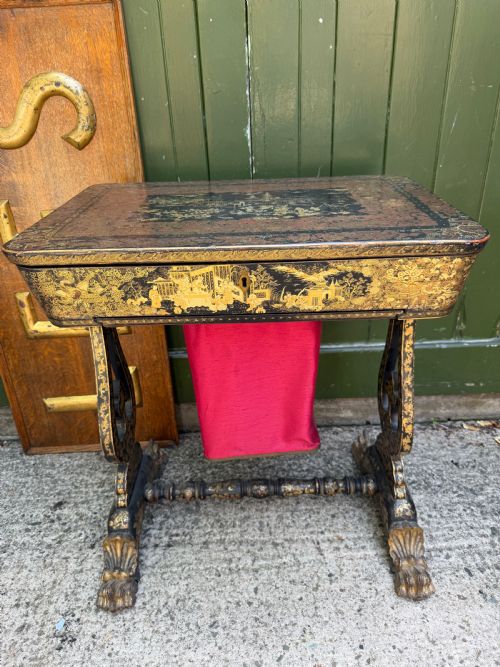
Makers of the period utilised substantial timber forms, grounding large storage chests and cellarettes upon distinct carved animal feet.
Materials and construction
Makers relied heavily on dense hardwoods like mahogany, rosewood, oak, and padouk, often selecting highly figured grains for the primary surfaces.
Metal elements such as brass fixtures and zinc linings were integrated into wine coolers to manage ice and bottles.
Interiors frequently incorporated textiles and velvet linings to cushion contents, while exterior feet received meticulous manual carving.
Carved Paw Feet Box Retail Price Guide 2026
Typical asking prices for carved paw feet box among the pieces listed under this phrase on Sellingantiques today, from the lower quarter to the upper quarter. They describe what is for sale here now, not the wider market.
Some nineteenth-century cellarettes contained internal zinc linings specifically designed to hold melting ice alongside the claret.
Assessing quality
The distinction between tiers rests upon the crispness of the timber carving, particularly around the lion or paw feet where lesser work appears blunt.
Grain selection defines the upper range, with highly figured mahogany and rosewood demonstrating superior cabinetmaking ambition.
Proportion and scale dictate the success of the piece, separating balanced architectural sarcophagus forms from clumsier interpretations.
The Carved Paw Feet Box Glossary
- Cellarette
- A lockable container used for storing wine and spirits near the dining table. They frequently stand on carved feet and feature lead or zinc linings.
- Sarcophagus
- A monumental coffin-like shape with a steep lid, widely adopted during the Regency period for large mahogany wine coolers.
- Padouk
- A heavy, durable exotic timber with a reddish hue, utilised in Regency Anglo Indian cabinetmaking.
- Fluted
- Surface decoration consisting of shallow parallel concave grooves carved directly into the solid wood.
Carved Paw Feet Box: Frequently Asked Questions
What is a carved paw feet box used for?
These pieces primarily served as cellarettes or wine coolers during the Georgian and nineteenth-century dining eras, holding bottles and ice.
Today they function effectively as standalone statement pieces or storage chests in living spaces.
How do I date a cellarette?
Dating relies on timber choice, hardware style, and overarching design motifs such as Regency sarcophagus lines or Georgian fluting.
Inspect the internal construction and linings to understand the manufacturing period.
Are these boxes made of solid mahogany?
Cabinetmakers utilised solid timbers for carved elements like paw feet and mouldings while applying choice veneers to large flat surfaces.
This technique prevented warping in heavy furniture while displaying dramatic wood grain.
How do I care for nineteenth-century timber?
Maintain stable room humidity and avoid placing wooden pieces near direct heat sources to prevent timber splitting.
Apply traditional wax sparingly to nourish the dry nineteenth-century polish.