





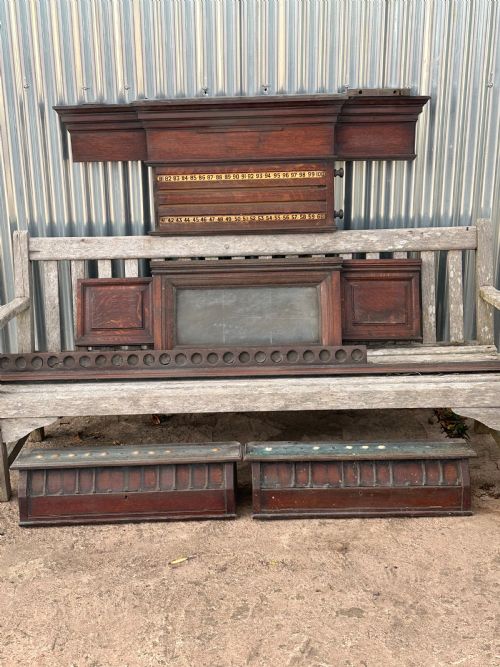


Carved Oak Wall Decor
Carved oak wall decor brings weight and historic character to a room through centuries of wooden panels, plaques, and architectural fragments.
Carved Oak Wall Decor
Carved oak wall decor encompasses wooden panels, plaques, coats of arms, and architectural fragments designed to hang on interior walls. Buyers seeking this aesthetic will encounter items ranging from seventeenth-century baroque panels and eighteenth-century candle boxes to nineteenth-century Gothic revival carvings and Victorian wall sculptures.
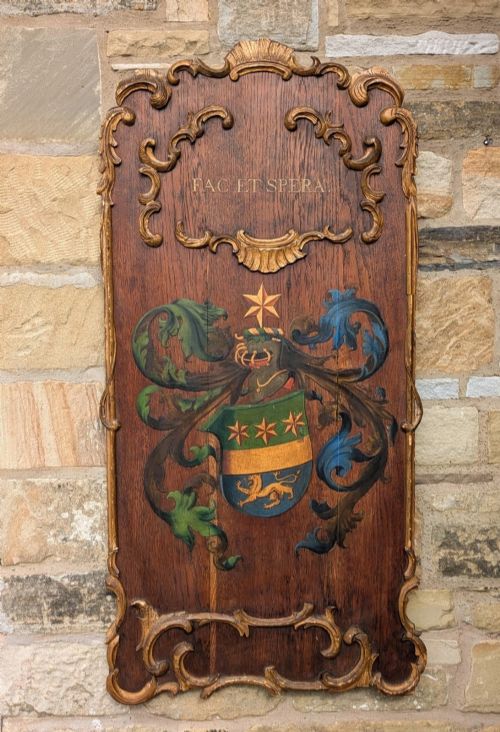
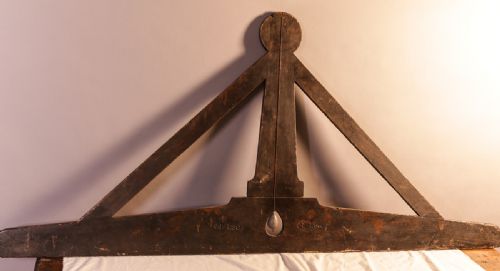
The selection on this page relies heavily on nineteenth-century craftsmanship, including Black Forest plaques, Victorian horseshoe mirrors, and panels featuring Griffin terminals or heraldic motifs. Earlier seventeenth-century and eighteenth-century examples appear alongside early twentieth-century architectural fragments and fairground pieces, maintaining a strong focus on timber construction.
How they were made
These pieces are constructed primarily from oak, timber, and lindenwood, often shaped using hand-carving techniques to create deep relief panels, architectural terminals, and figural wall sculptures. Secondary materials such as brass frames, gilt highlights, glass, and paper inserts appear in barometers and mounted plaques to complement the carved wooden bodies.
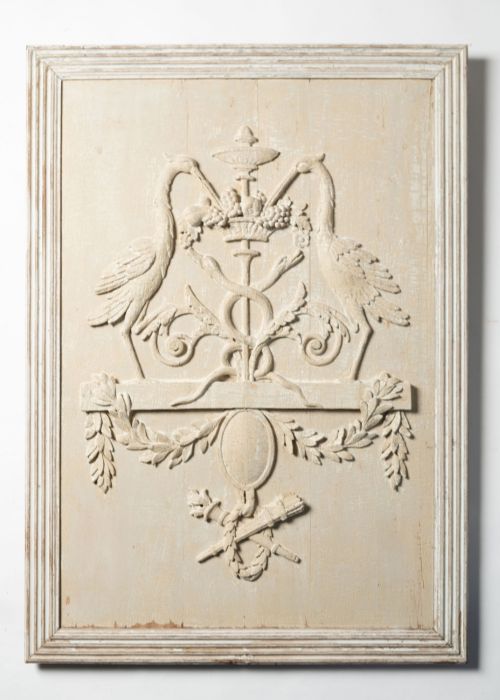
The creation of these wall pieces involves precise joinery and relief carving, seen in pierced acanthus leaves, armorial crests, and gothic ecclesiastical figures. Master woodworkers shaped the dense grain of the oak and lindenwood to achieve durable structural forms designed for permanent interior display.
Carved Oak Wall Decor Retail Price Guide 2026
Typical asking prices for carved oak wall decor among the pieces listed under this phrase on Sellingantiques today, from the lower quarter to the upper quarter. They describe what is for sale here now, not the wider market.
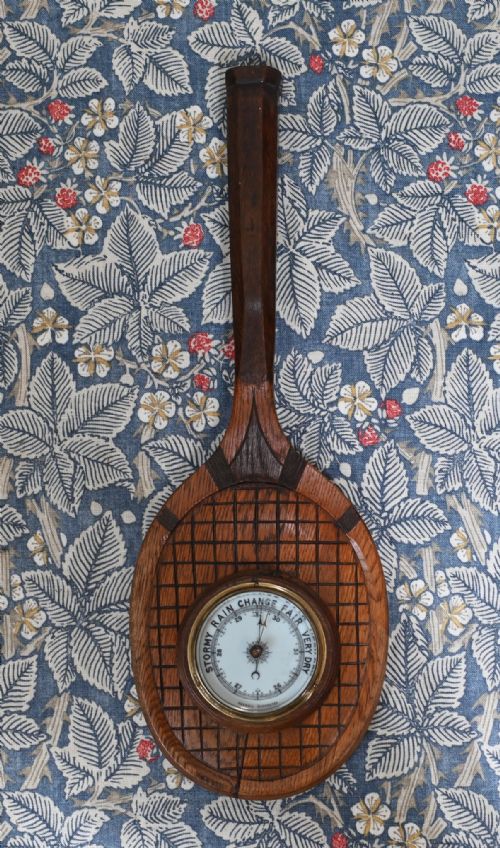
Keep an eye out for rogue chickens and tennis racquets hiding among the centuries of solemn heraldry and gothic angels.
What varies in quality
Quality in carved oak wall decor rests upon the depth, sharpness, and anatomical precision of the hand-carving. Pieces with high sculptural definition in figures, foliage, and heraldic details command attention through their sculptural clarity.
The integrity of the timber and the coherence of the design further separate standard items from superior works. Original patination, well-preserved joinery, and the crisp survival of intricate motifs without later alterations distinguish the finest examples.
The Carved Oak Wall Decor Glossary
- Acanthus
- A classical ornamental motif based on the leaves of the acanthus plant, frequently carved in relief on seventeenth-century and nineteenth-century wooden panels.
- Armorial
- Relating to heraldry or coat of arms, often carved or painted on wooden plaques and wall shields to denote family lineage.
- Architectural salvage
- Building elements rescued from older structures, such as carved oak panels, crests, and fragments repurposed as wall decoration.
- Barometer
- An instrument for measuring atmospheric pressure, often housed in carved wooden wall cases, wheel barometers, or aneroid frames.
Carved Oak Wall Decor: Frequently Asked Questions
How do I hang heavy oak wall carvings safely?
Heavy oak panels and architectural fragments require secure fixing directly into wall studs or masonry using heavy-duty picture hooks and brackets rated for the weight of dense timber.
Ensuring the mounting hardware engages with the internal structure prevents the piece from pulling away from the wall over time.
How do I clean and maintain antique oak wall decor?
Dust the carved surfaces regularly with a soft, dry brush to prevent dirt from settling into the deep recesses of the relief work.
Avoid using modern liquid polishes, water, or chemical cleaners, which can damage the historic patina and dry out the aged timber.
How can I tell a seventeenth-century panel from a later revival piece?
Seventeenth-century panels display hand-tooled joinery marks, iron nail construction, and deep oxidation developed over centuries of exposure.
Revival pieces often utilise machine-sawn timber edges and standardised carving depths that mimic earlier styles without the corresponding natural wear.
Where were these carved wooden pieces originally displayed?
Many of these carvings originated as interior wall paneling, ecclesiastical screens, or heraldic displays within period homes, churches, and public halls.
Later Victorian and Edwardian examples were specifically designed as decorative wall art, mirrors, and barometers for domestic reception rooms.