


Carved Oak Wainscoting
These pieces of carved oak wainscot offer rigid timber panelling and solid seat construction, carrying centuries of domestic history into a modern room.
Carved Oak Wainscoting
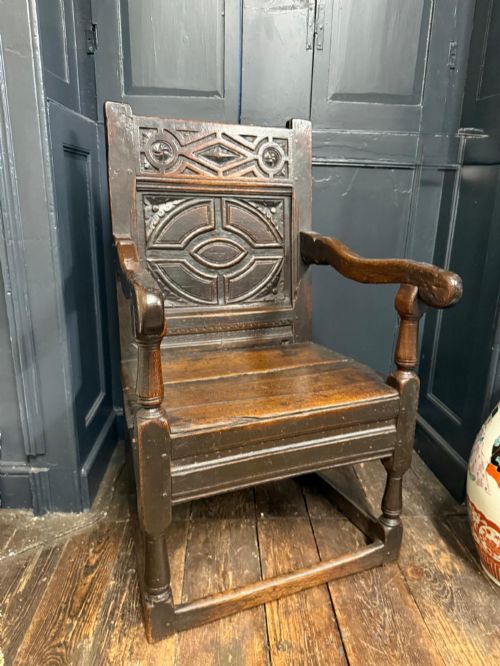
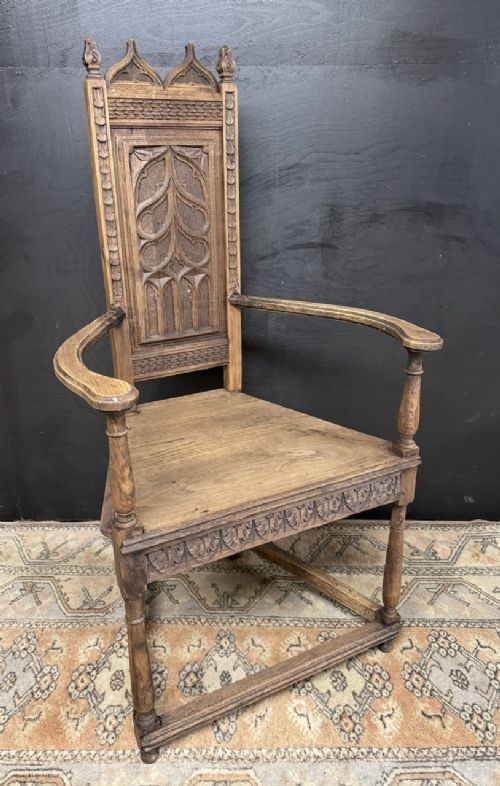
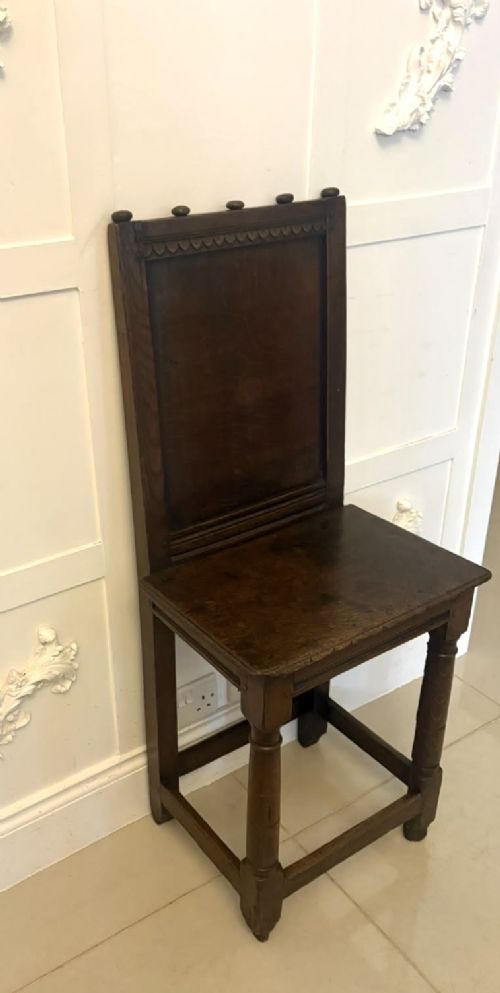
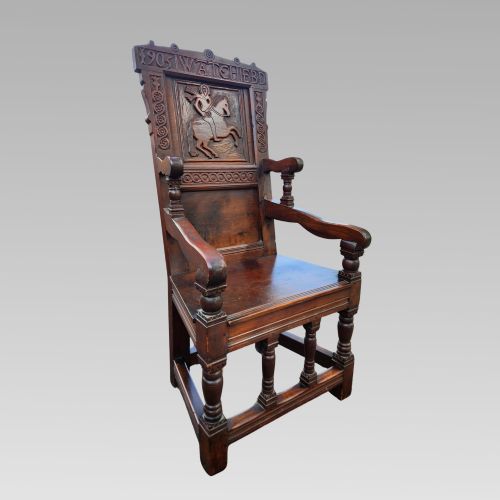
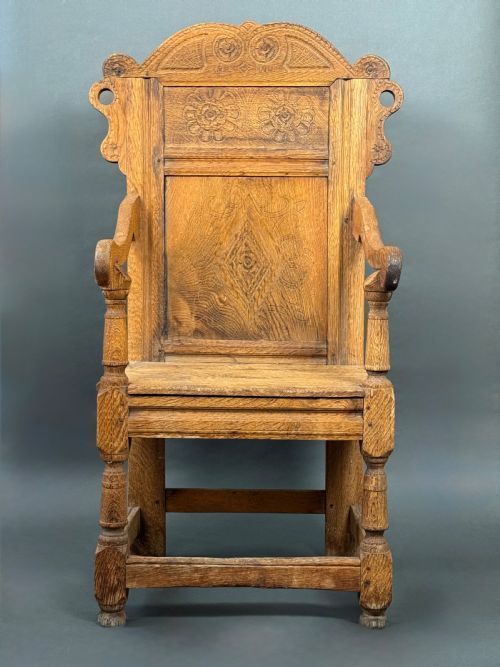
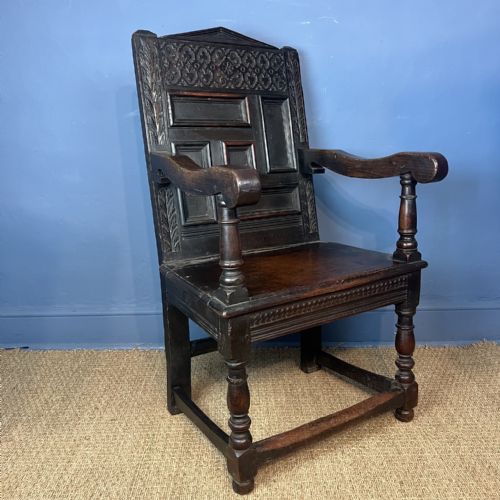
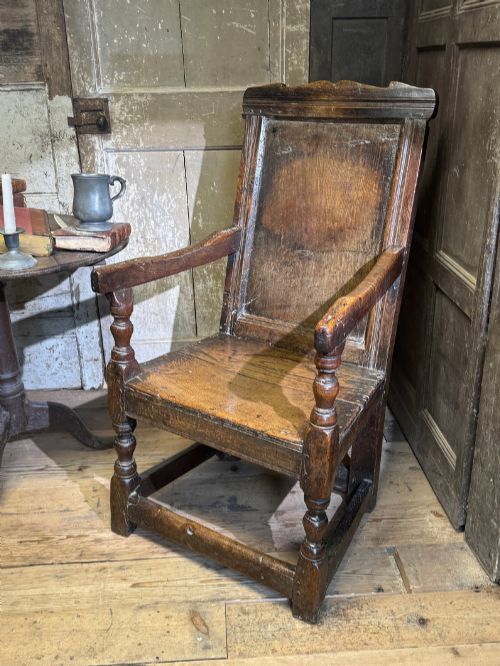
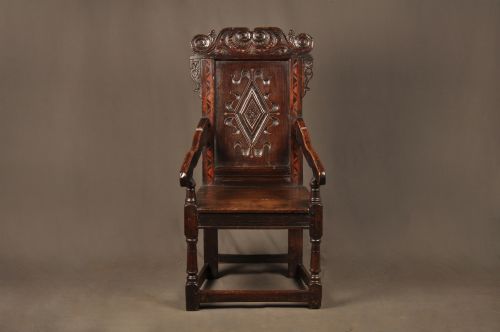
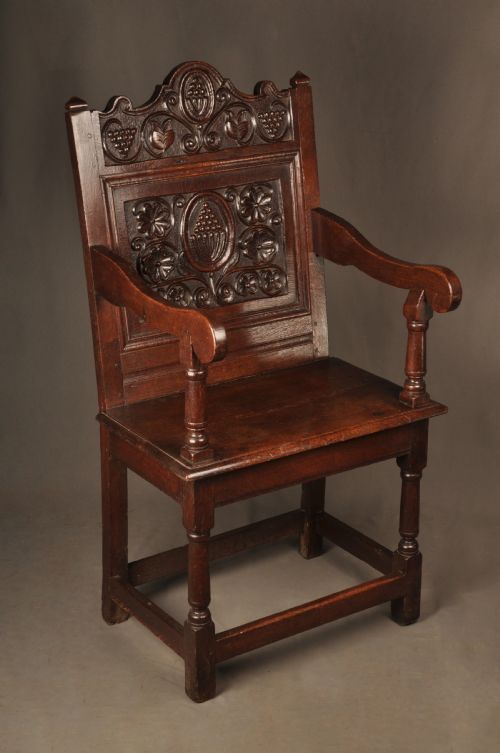
When you search for carved oak wainscot, you encounter heavy wooden seating and architectural elements originating from the sixteenth, seventeenth, and eighteenth centuries. These items include armchairs, side chairs, settles, and hall chairs designed with solid wooden backs to block cold draughts.
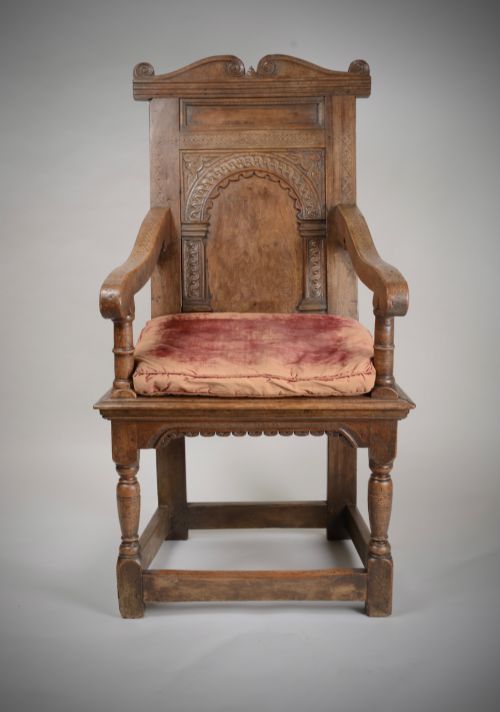
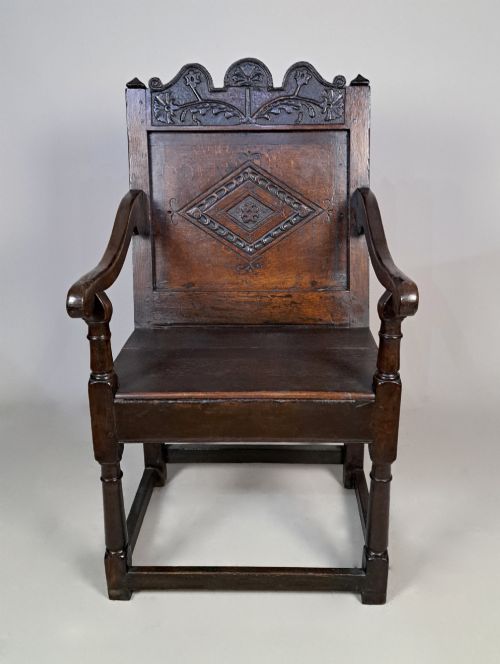
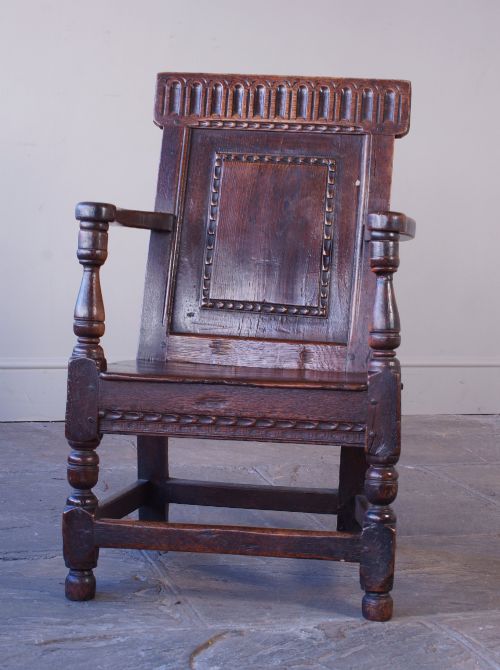
The version you are most likely to meet on this page is the seventeenth century Yorkshire or Lancashire armchair. Such pieces display carved wooden back panels, sturdy armrests, and joined construction that mark them out from later vernacular seating.
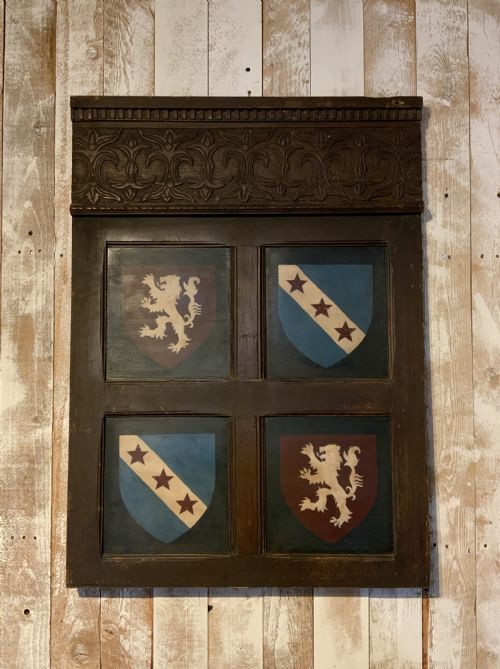
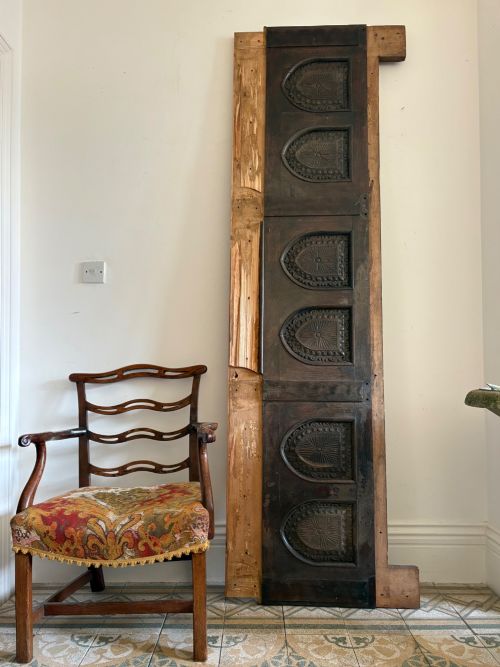
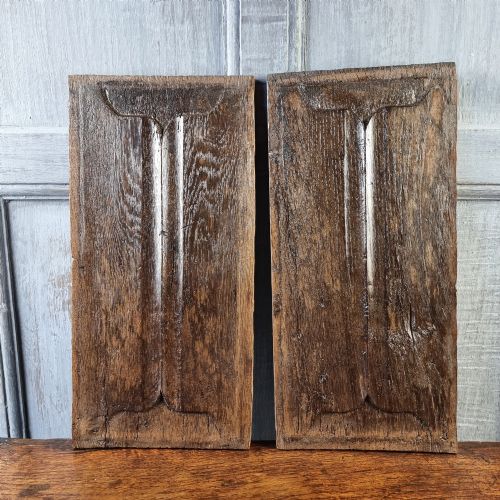
Regional variations appear across the selection, with Welsh, Scottish, and West Country examples joining pieces made in the North Country. Alongside these seating forms, the material record incorporates architectural salvage such as linenfold panels.
Factors of quality
Quality rests upon the depth and crispness of the original carved ornament on the back panels. Pieces that retain their early surface patination and unblemished structural timbers stand apart from heavily restored or later revival iterations.
The proportion and architectural balance of the chair frame dictate its standing. Masterpieces of the period combine vigorous regional carving styles with well-balanced proportions and minimal timber replacement over the centuries.
Carved Oak Wainscoting Retail Price Guide 2026
Typical asking prices for carved oak wainscoting among the pieces listed under this phrase on Sellingantiques today, from the lower quarter to the upper quarter. They describe what is for sale here now, not the wider market.
Listings span from the sixteenth century through the nineteenth century revival period, featuring solid oak and elm.
The Carved Oak Wainscoting Glossary
- Wainscot
- A wooden panel backing used on early chairs and walls. This construction method originally protected sitters from cold stone or draughty walls.
- Linenfold
- A style of carving that mimics folded fabric or linen. It is frequently seen on sixteenth and seventeenth century wooden panels.
- Backstool
- An early upholstered or wooden chair without arms. These pieces offer a narrower seat profile than standard armchairs.
- Joined chair
- Furniture constructed using interlocking mortise and tenon joints secured with wooden pegs. This method preceded widespread glued joinery.
- Settle
- A wooden bench with a high solid back and enclosed arms. They were positioned near hearths to retain heat in large rooms.
Carved Oak Wainscoting: Frequently Asked Questions
How do I date an oak chair?
Dating relies on observing construction techniques, tool marks, and stylistic indicators such as carved strapwork or linenfold motifs. Regional styles from Yorkshire or Lancashire often display specific carving signatures.
Later revival pieces built in the nineteenth or twentieth century imitate these early forms but lack the natural wear patterns and surface patination of period items.
Where were these chairs placed?
In early domestic interiors, these substantial chairs sat near the hearth or at the head of the dining table. Their high panelled backs deflected cold draughts in large stone rooms.
Today, they function well as statement pieces in hallways or studies, bringing historical weight and texture to contemporary living spaces.
What wood was used?
Solid oak forms the primary material for nearly all pieces in this category, valued for its density, strength, and local availability. Elm occasionally appears in regional vernacular furniture.
Makers also incorporated wood inlay for decorative contrast, while surviving textiles and velvet elements are found on specific seated examples.