

Carved Oak Style Cupboard
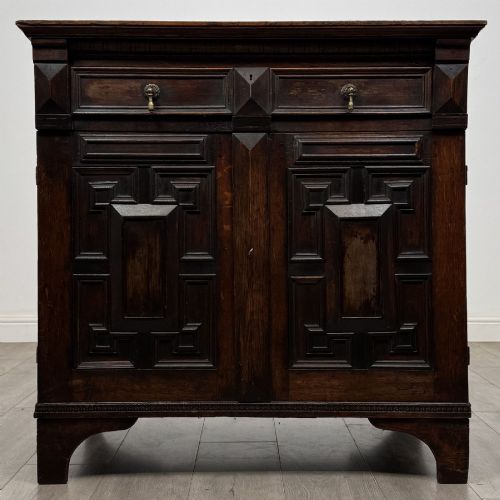
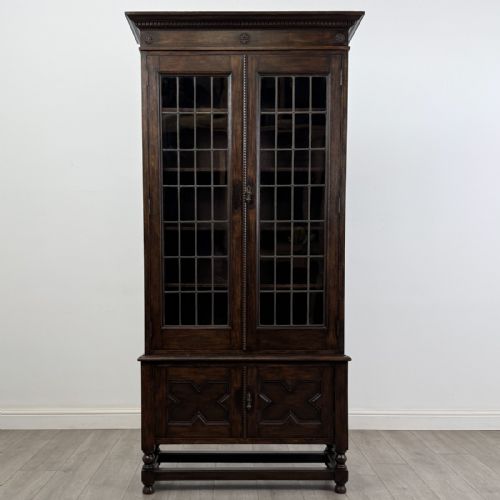
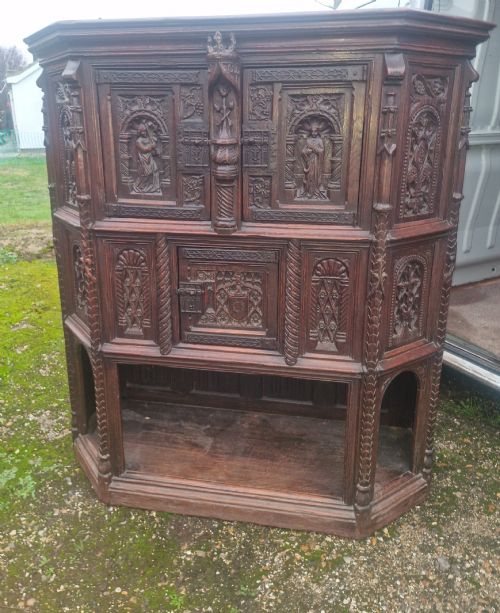
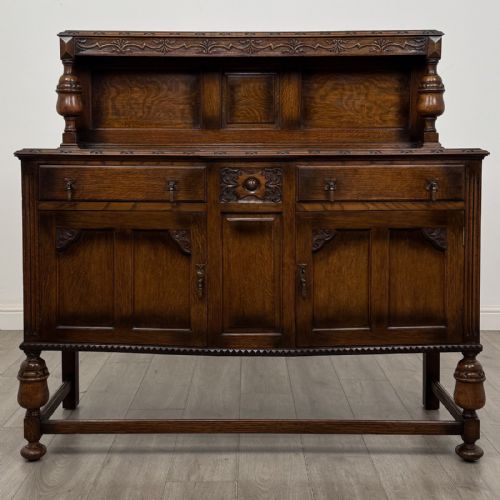
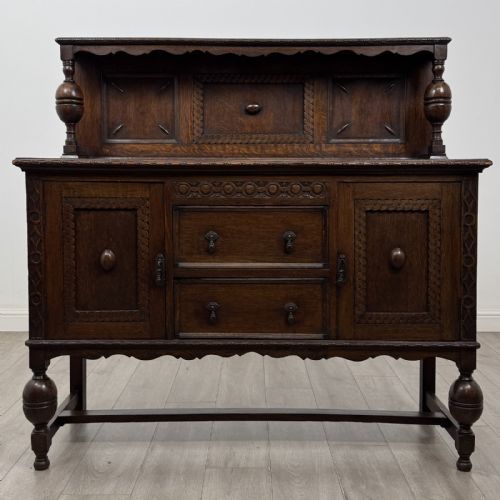
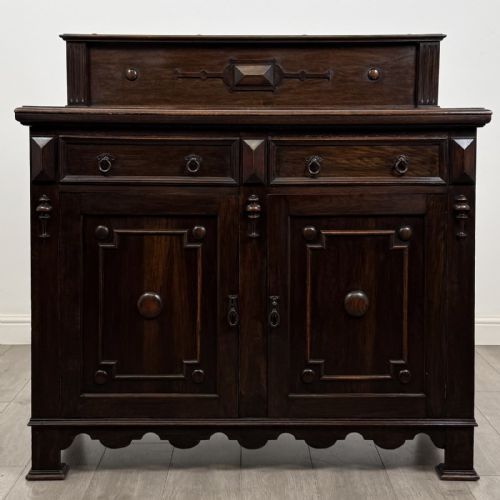
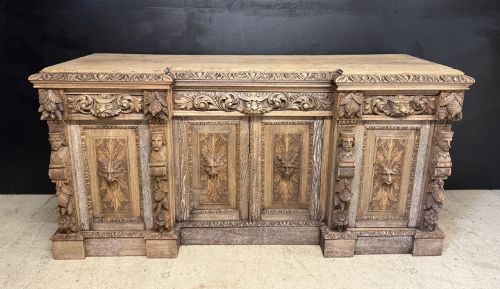
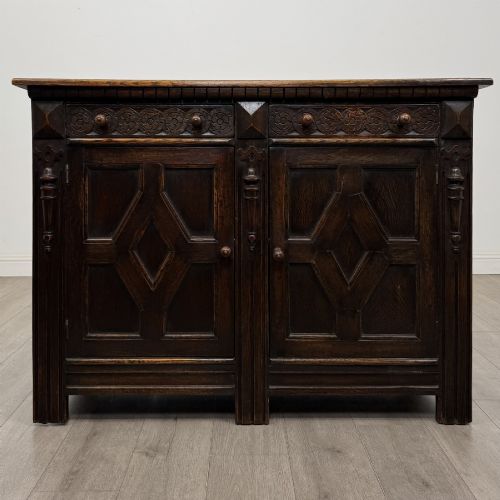
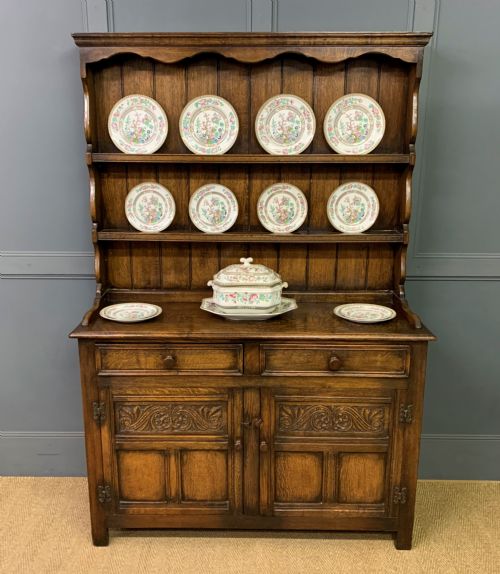
A carved oak style cupboard brings heavy grain, deep carving and structural presence into a room.
Carved Oak Style Cupboard
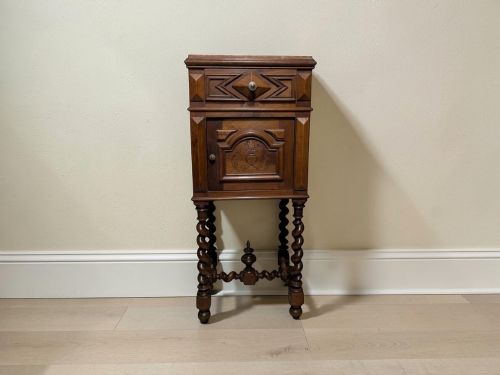
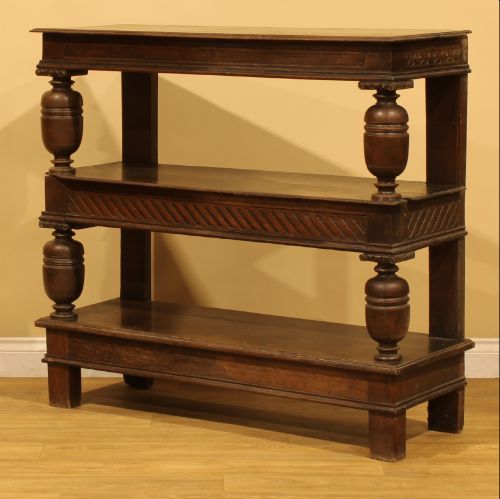
When you search for a carved oak style cupboard, you are looking at substantial storage furniture shaped by historical revivals and vernacular forms. The pieces available span wall cabinets, corner units, sideboards and bedside lockers drawing on older traditions.
The most common examples encountered on this page date from the Edwardian era and the decades following the First World War. These later interpretations appropriate the heavy timberwork and ornamentation of earlier centuries for domestic use.
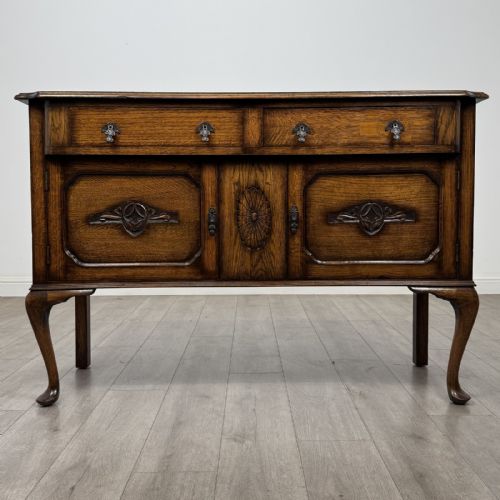
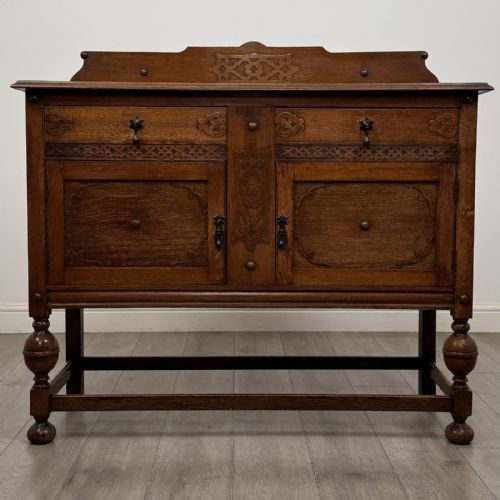
Makers working in the Victorian and Edwardian periods, as well as the interwar years, utilised oak to satisfy a domestic appetite for substantial furniture. These items range from compact hanging cupboards to large sideboard bases with stretchers and carved pillar panels.
Materials and construction methods
Solid oak forms the primary carcass and facade of these items, often selected for its visible medullary rays and prominent grain. Secondary timbers appear in internal linings and drawer bottoms, while iron and brass provide hinges, drop handles and escutcheons.
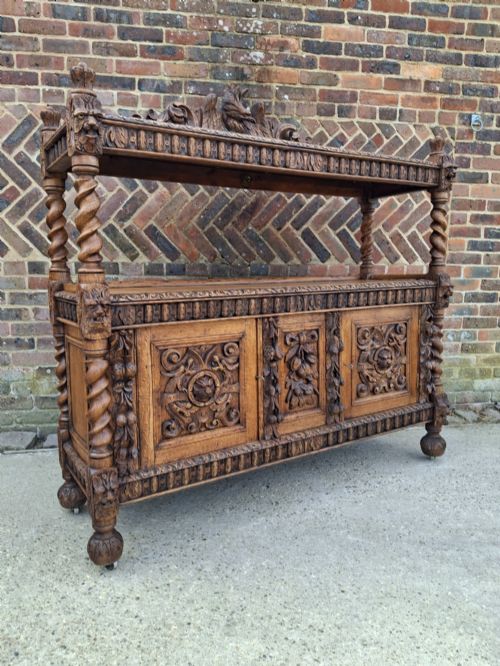
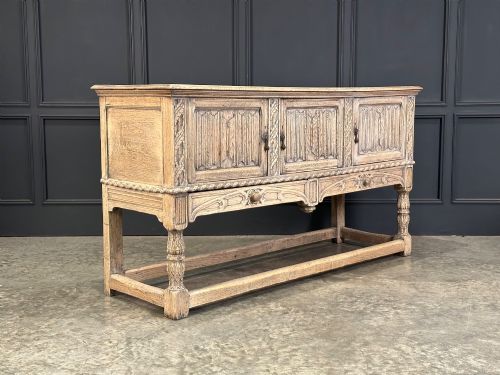
The decorative vocabulary relies on relief carving, linenfold panelling, geometric mouldings and applied pillars. Joinery techniques combine traditional mortise and tenon frames with machine assistance in the twentieth-century pieces, supported by turned components like barley twist legs.
Carved Oak Style Cupboard Retail Price Guide 2026
Typical asking prices for carved oak style cupboard among the pieces listed under this phrase on Sellingantiques today, from the lower quarter to the upper quarter. They describe what is for sale here now, not the wider market.
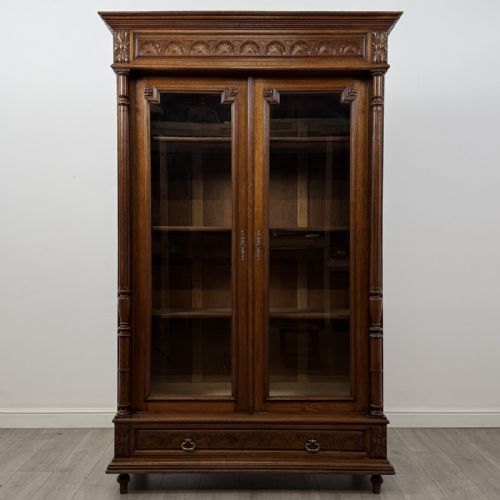
Listings feature oak as the dominant material, supported by brass hardware and glass panels in display cabinets spanning the Victorian period to the 1930s.
Judging the quality of carved furniture
Quality rests upon the depth and crispness of the hand-carved detail compared to mechanical stamping. Pieces with deeply undercut panels and well-defined linenfold show a higher level of artisan involvement than shallow, repetitive factory milling.
The selection of timber grain and the integrity of the joinery distinguish better examples. Uniformity in colour, tight joints at the corners and heavier gauge brassware elevate a piece above standard mass-produced domestic storage.
Gillows
The Carved Oak Style Cupboard Glossary
- Jacobean Revival
- A nineteenth and twentieth century style imitating the heavy, geometric oak furniture of the seventeenth century. It frequently incorporates strapwork, moulded panels and turned legs.
- Linenfold
- A style of wood carving used to decorate panels, making them resemble folded cloth. This motif appears widely on Tudor revival doors and Edwardian cupboards.
- Barley Twist
- A turned wooden furniture leg or column resembling a spiral rope. This shape became popular during the seventeenth century and returned in Edwardian and later revival pieces.
- Enfilade
- A long sideboard or cabinet featuring a sequence of three or more doors in a straight line. Originating in France, these large storage pieces are constructed primarily in oak.
Carved Oak Style Cupboard: Frequently Asked Questions
How do I identify a revival piece?
Revival items combine historical motifs like linenfold or geometric panels with modern construction methods and lighter internal timbers. Tool marks, hinges and the colour of the oak reveal whether a piece dates to the seventeenth century or a later revival.
Twentieth-century interpretations often feature standardised drawer linings and machine-cut tenons behind heavily carved facades. Examining the interior surfaces provides a clear indication of the true age of the carcass.
Where should I place a corner cabinet?
Corner cabinets suit unused angles in dining rooms, hallways or studies, turning empty wall junctions into display and storage space. Wall-mounted versions require secure fixing into masonry or studs to support the weight of solid oak.
Freestanding corner cupboards anchor a room layout effectively when paired with other dark wood furniture. Their angled backs allow them to fit snugly without protruding too far into floor space.
How do I care for solid oak furniture?
Solid oak responds best to natural beeswax applied sparingly and buffed with a soft cloth to nourish the grain. Avoid placing these heavy wooden pieces near direct heat sources or in damp conditions to prevent timber splitting.
Regular dusting with a dry cloth prevents grime accumulation in the carved recesses and linenfold folds. Harsh chemical cleaners strip the patina and dry out the historic timber finish.
What is a linenfold cupboard used for?
Linenfold cupboards provide enclosed shelving for linens, tableware or general household storage behind decorated doors. Their compact proportions make them suitable for bedrooms, landings and smaller reception rooms.
The decorative panels conceal contents effectively while adding architectural texture to domestic interiors. Lift-top variations offer alternative access to deep storage compartments.