


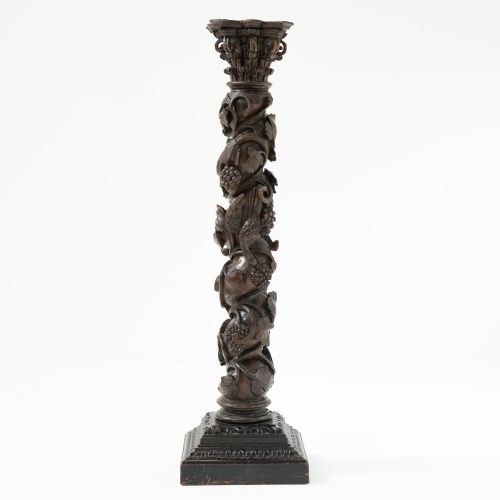
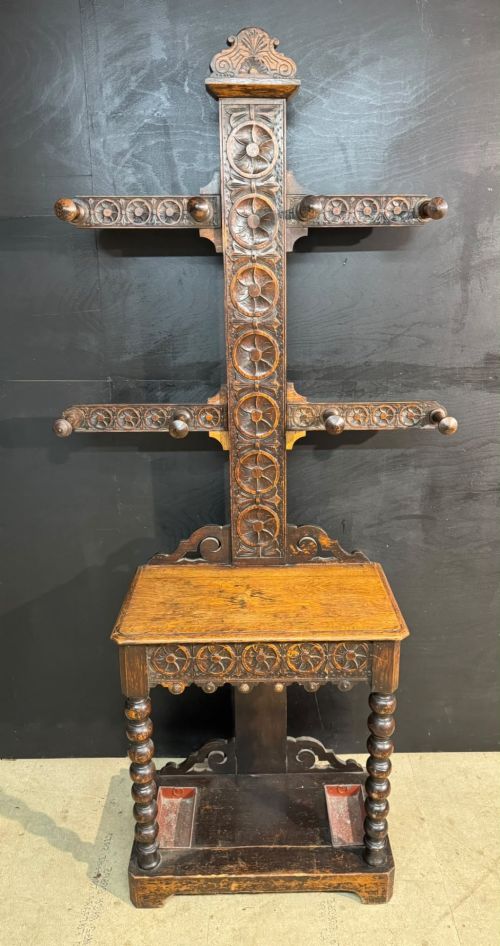
Carved Oak Stand
A carved oak stand brings solid timber architecture into a hallway or room, combining utility with deep relief work.
Carved Oak Stand
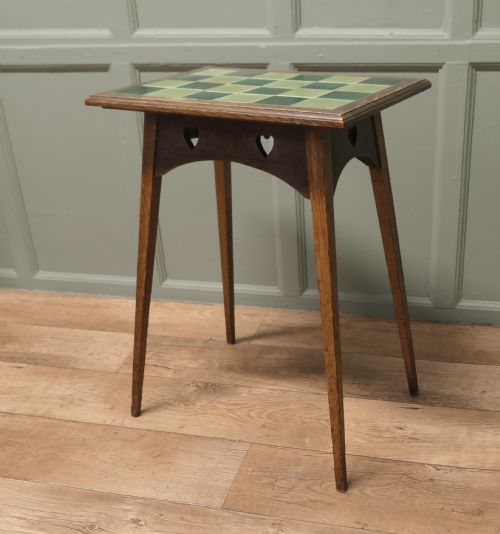
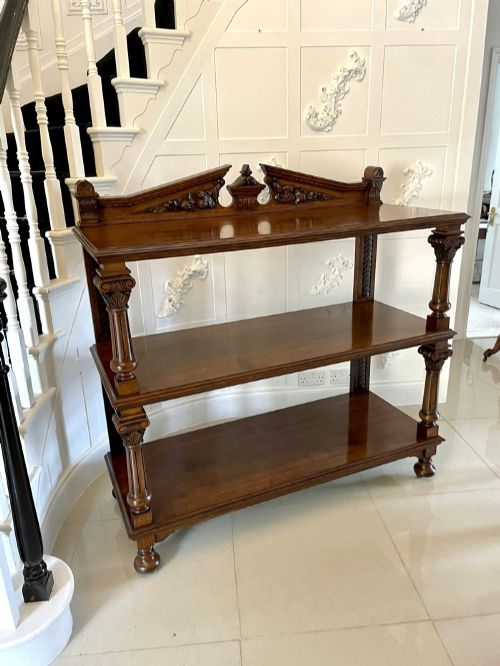
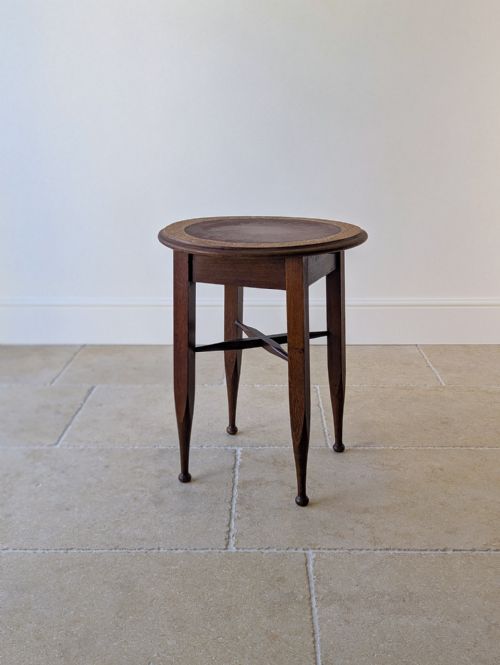
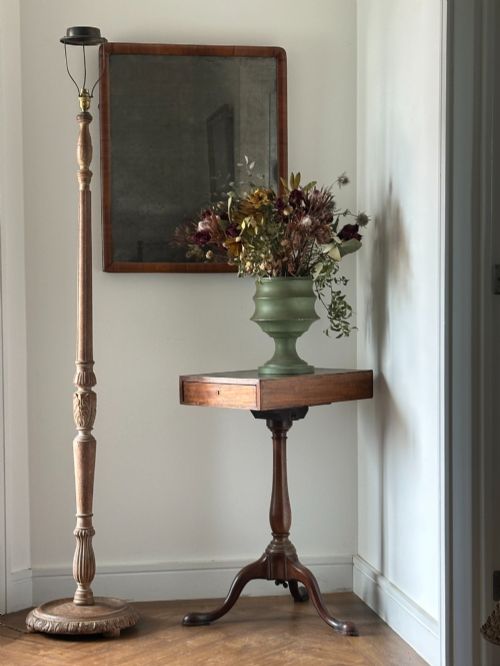
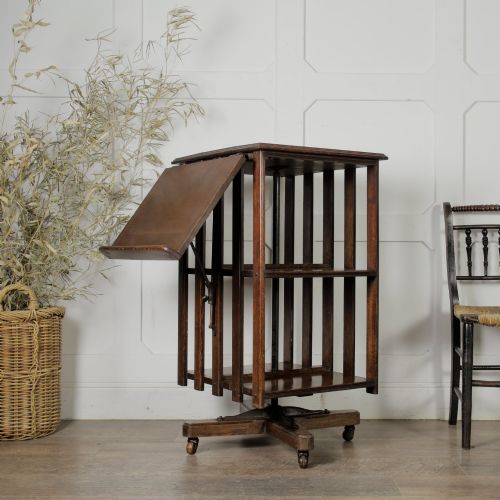
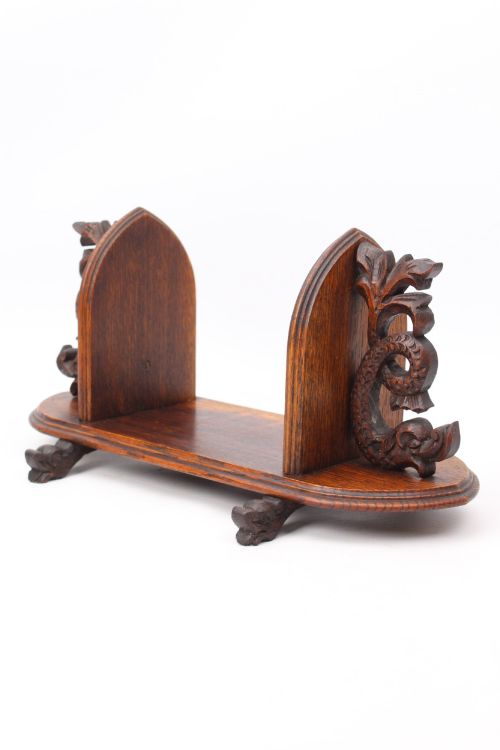
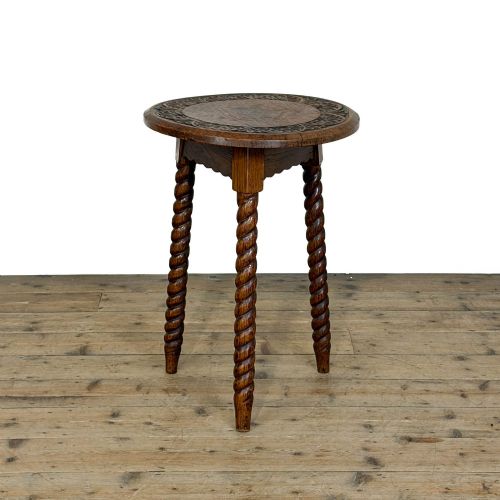
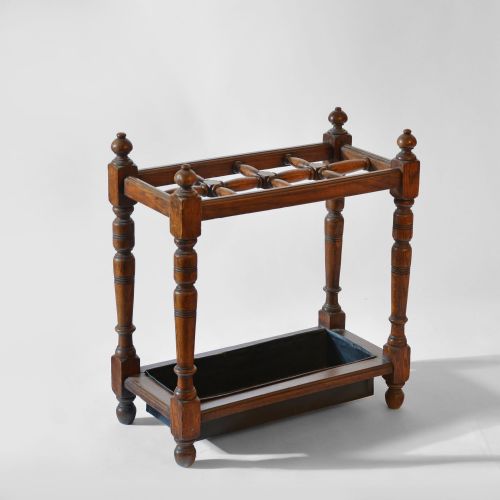
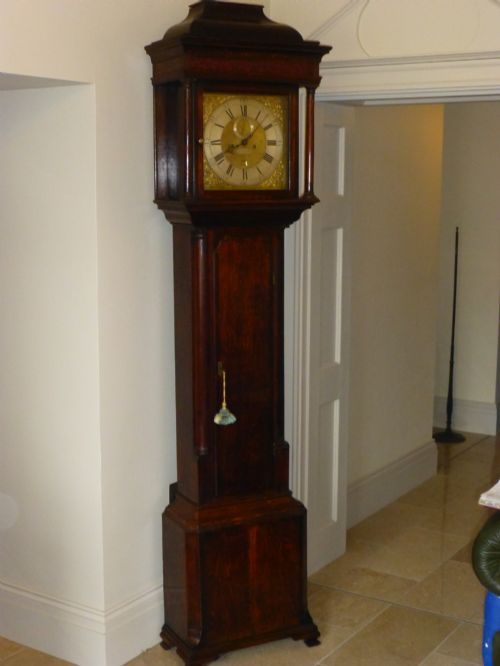
A carved oak stand encompasses a diverse group of domestic furnishings designed for support, display, or organisation, ranging from umbrella and hall stands to plant pedestals, occasional tables, and book supports. These items appear across multiple periods, with strong representation from the Victorian and Edwardian eras alongside 18th-century examples.
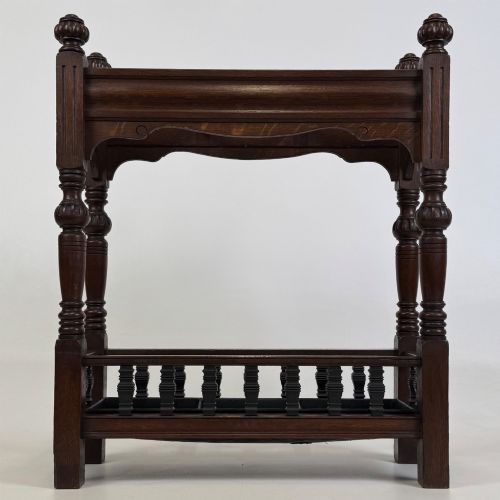
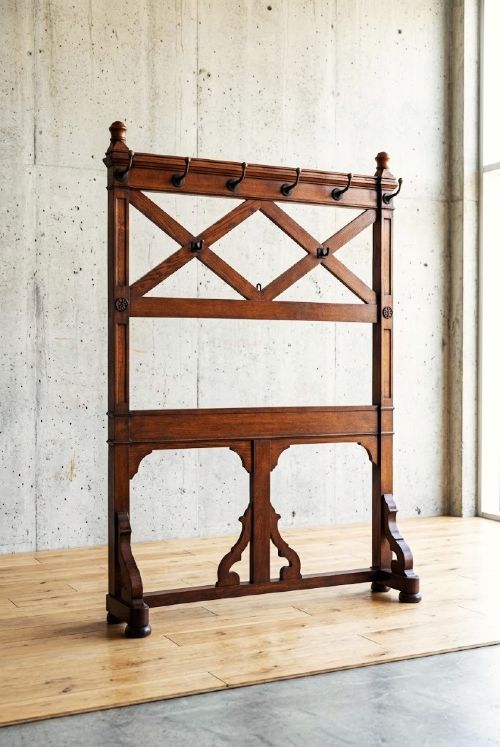
The most common forms met in daily search results are hall stands for hats and coats, umbrella racks with integrated drip pans, and compact side or occasional tables featuring relief carving. Pieces span domestic utility and decorative display, reflecting the heavy reliance on durable timber in historical interiors.
How they were made
Construction relies heavily on solid oak, selected for its strength and ability to take deep hand-chiselled ornamentation, often complemented by secondary materials like brass hooks, iron liners, or glass inserts.
Joinery methods vary from traditional pegged joints and mortise-and-tenon frames in earlier pieces to later production techniques, while surface treatment ranges from natural wax polishing to liming and ebonising.
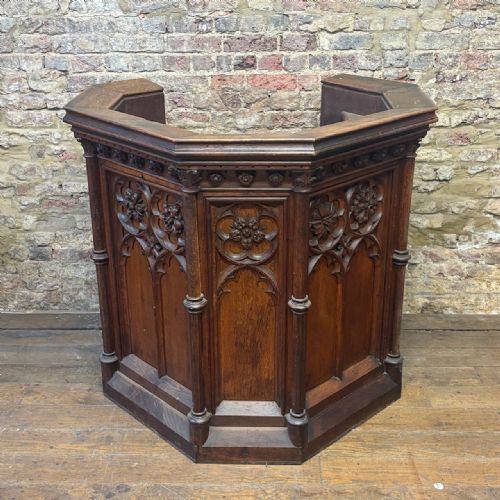
Listings feature oak combined with brass, glass, and cast iron across styles from Gothic Revival to Arts and Crafts.
What varies in quality
Quality rests upon the crispness and depth of the woodcarving, distinguishing mechanically stamped or shallow decoration from sharp, hand-modelled relief work such as green man motifs or geometric strapwork.
Structural integrity and timber selection dictate overall merit, separating robust quarter-sawn oak framing with original brass hardware from later assembled pieces using thinner veneers or replacement components.
Richard Corless·James Hendrie·Arthur Simpson·Smith Macclesfield
The Carved Oak Stand Glossary
- Hall stand
- A tall piece of furniture placed in an entrance hallway, usually incorporating coat hooks, a mirror, glove boxes, and a lower tray for walking sticks and umbrellas. It serves as a central clearing point for outdoor wear.
- Green man
- A sculptural architectural ornament depicting a human face emerging from or entwined with foliage and vines. It appears frequently in medieval and revival furniture carving.
- Solomonic
- A column or furniture leg carved with a helical twist resembling a corkscrew. This classic architectural form gained popularity during the 17th century and later revival periods.
- Washstand
- A wooden table or cabinet designed to hold a ceramic basin, jug, and washing accessories. Many incorporate marble tops and tiled splashbacks to protect surrounding walls.
- Quarter-sawn
- A method of cutting logs radially across the growth rings, producing timber with enhanced dimensional stability and prominent medullary ray flecks. This cut is prized in high-grade oak furniture.
- Book trug
- A shallow wooden carrier or trough designed to hold a selection of portable volumes. These items often feature a central arched handle and flat base for table placement.
Carved Oak Stand: Frequently Asked Questions
How do I date a carved oak stand?
Dating relies on examining the construction joints, timber preparation, and decorative style rather than relying on surface appearance alone. Hand-cut peg joints and deeper patination often point towards earlier centuries, while mass-produced hardware indicates later periods.
Stylistic cues also help narrow down the decade. Gothic Revival and Jacobean Revival motifs emerged strongly during the 19th century, whereas cleaner lines and simpler strapwork frequently signal Arts and Crafts influence around the turn of the 20th century.
Were hall stands used in every Victorian home?
Hall stands became essential furnishings in middle and upper-class Victorian households as a direct response to formal etiquette surrounding outdoor garments. They kept heavy coats, hats, and wet umbrellas organised immediately upon entering the house.
Their placement in the entranceway made them the first item visitors encountered, prompting makers to embellish them with prominent mirrors, carved panels, and decorative brass umbrella wells.
How do I care for antique oak furniture?
Maintenance requires keeping timber away from direct heat sources and extreme humidity fluctuations to prevent the oak from splitting or warping. Regular dusting with a soft cloth preserves the surface finish.
Applying a traditional beeswax polish periodically helps nourish the grain and maintain the natural lustre without building up heavy synthetic residues that dull the carving detail.