




Carved Oak Pilasters
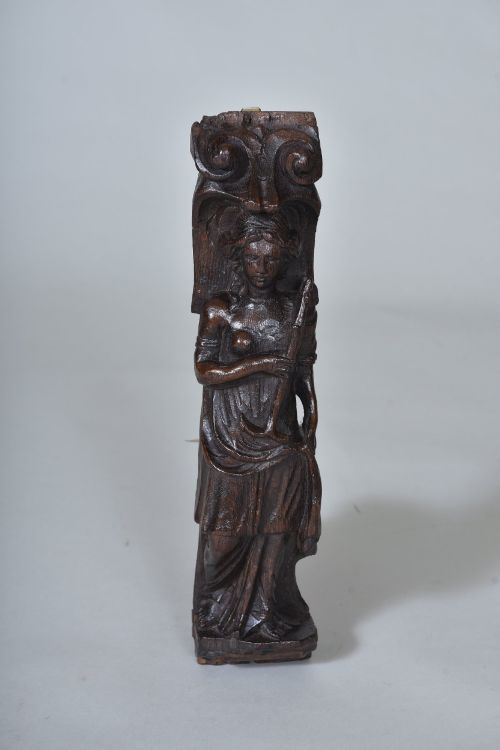
These carved oak pilasters are architectural elements brought inside, adding sculptural depth and historical weight to a room.
Carved Oak Pilasters
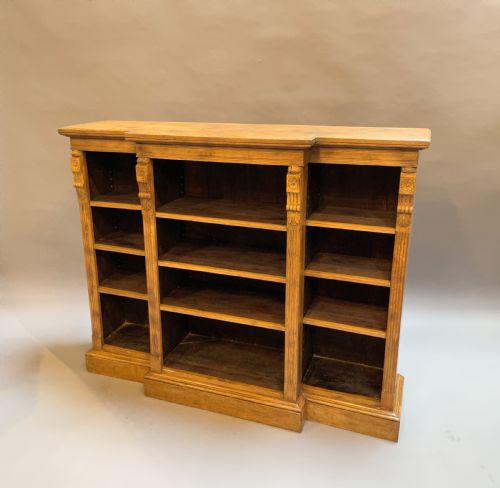
When you search for carved oak pilasters, you are looking at architectural elements salvaged from larger structures or created as decorative wall adornments. These pieces bring a distinct vertical emphasis and historical character to modern interiors, often adapted from bookcases, cabinets, or wall paneling.
The versions you are most likely to meet on this page include examples spanning from the seventeenth century through to the Victorian era and the Jacobean Revival period. They appear alongside related architectural carvings, bookcases, and chests, reflecting a long tradition of decorative woodwork.
How they were made
The makers of these architectural components relied on oak, utilising both dark and blonde tones depending on the period and fashion. This dense hardwood allowed artisans to achieve sharp relief and deep undercutting without compromising the structural integrity of the design.
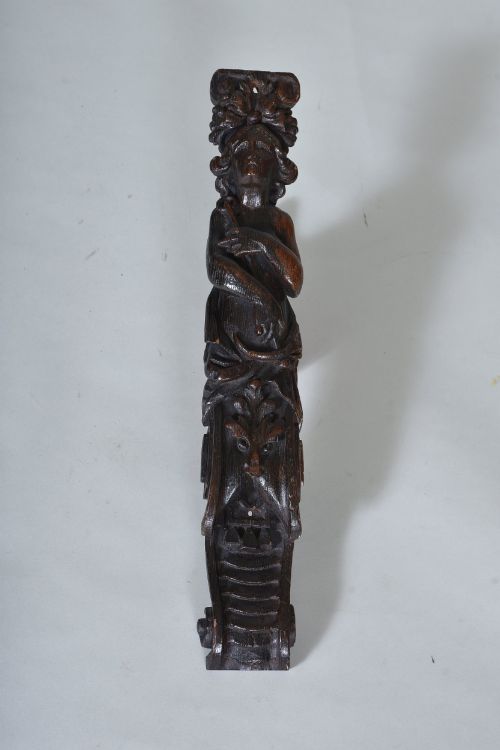
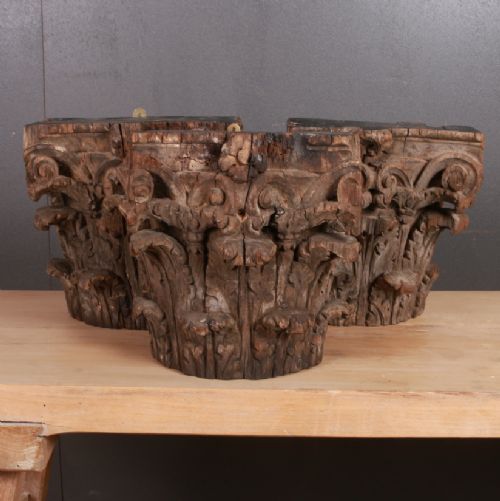
Techniques range from hand-carved vegetal motifs like berries and leaves to figural representations such as caryatids. Craftsmen used traditional hand chisels and gouges to build up layers of shadow and form, giving each column its tactile presence.
Carved Oak Pilasters Retail Price Guide 2026
Typical asking prices for carved oak pilasters among the pieces listed under this phrase on Sellingantiques today, from the lower quarter to the upper quarter. They describe what is for sale here now, not the wider market.
The listings here span from the seventeenth century through to Victorian revivals, utilising oak and brass across architectural salvage and furniture forms.
What varies in quality
The distinction between ordinary and exceptional examples lies in the confidence of the hand behind the chisel. Superior pieces display fluid transitions in foliage, crisp drapery on figural elements, and a deep, three-dimensional relief that catches the light.
Surface preservation also plays a significant role in determining the standing of a piece. Original patination, untouched timber surfaces, and the crispness of the grain separate items that retain their architectural crispness from those softened by excessive cleaning or wear.
The Carved Oak Pilasters Glossary
- Caryatid
- A sculpted human figure serving as an architectural support taking the place of a column or a pilaster. In these pieces, female figures often form the main shaft of the design.
- Jacobean
- A style of English architecture and decorative arts prevalent during the early seventeenth century. It is characterised by heavy proportions, dark oak, and strapwork ornamentation.
- Flemish Renaissance
- A sixteenth-century continental style known for elaborate ornamentation and vigorous relief carving. It heavily influenced later British architectural woodwork.
Carved Oak Pilasters: Frequently Asked Questions
How were carved oak pilasters originally used?
These elements functioned as structural supports or decorative frames on grand pieces of furniture, such as bookcases and cabinets, as well as on interior wall paneling.
Craftsmen integrated them into architectural schemes to break up flat expanses of wall or cabinetry and to impart a sense of classical order and grandeur.
How can I mount architectural pilasters on a wall?
Most pilasters are flat on the reverse side, which makes them straightforward to secure directly against a flat wall surface using discreet brackets or fixings.
Consulting a professional framer or carpenter ensures the weight is distributed properly without damaging the antique timber.
What is the difference between seventeenth-century and Victorian pieces?
Seventeenth-century examples display the tool marks and heavier patination of contemporary hand-working techniques. They often feature deep, robust carving associated with Jacobean aesthetics.
Victorian pieces, including those in revival styles, frequently demonstrate a more polished finish and may incorporate machine assistance alongside hand-carving to achieve precision.
How should I clean and care for antique oak?
Dust the surface regularly with a dry, soft cloth to prevent particulate buildup in the recessed areas of the carving. Avoid using modern chemical polishes or water.
Applying a traditional beeswax occasionally will nourish the timber and help maintain a healthy, natural lustre without altering the historic finish.