



Carved Oak Ladderback
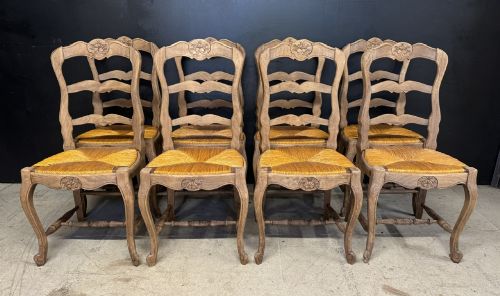
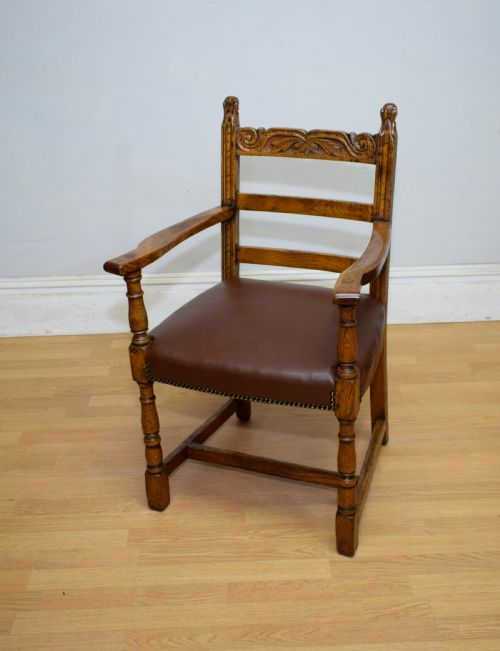
These carved oak ladderback chairs bring robust country character to an interior, offering sturdy construction alongside time-worn tactile charm.
Carved Oak Ladderback
When you search for carved oak ladderback items, you encounter functional seating spanning the eighteenth century through to the early twentieth century. The selection typically comprises dining chairs, side chairs, and rocking chairs originating from English and French country traditions.
The aesthetic ranges from rustic farmhouse styles to Jacobean Revival and Arts and Crafts interpretations. Such diversity shows how vernacular seating evolved while retaining its core structural identity over successive generations.
How they were made
Makers utilised solid timber frames constructed primarily from oak, occasionally incorporating elm or mahogany for specific structural components. Woodworking techniques relied on traditional joinery methods such as mortise and tenon joints to ensure enduring stability.
Surfaces frequently display carved detailing executed by hand, reflecting the stylistic preferences of periods like the Jacobean Revival or Arts and Crafts movement. Seat pads often incorporated natural rush, woven fabric, leather, or velvet depending on the regional tradition and intended domestic use.
Carved Oak Ladderback Retail Price Guide 2026
Typical asking prices for carved oak ladderback among the pieces listed under this phrase on Sellingantiques today, from the lower quarter to the upper quarter. They describe what is for sale here now, not the wider market.
One unexpected nineteenth-century specimen comes mounted on wheels, ready to roll swiftly across the flagstone floor.
What varies in quality
The calibre of timber selection and the crispness of the hand carving distinguish finer examples from simpler vernacular pieces. Superior items display well-figured grain and deeply articulated carving that integrates harmoniously with the overall structural design.
Originality of components and the integrity of the frame construction heavily influence the standing of any piece. Chairs retaining their original rush seating or authentic period upholstery surfaces command greater appreciation among collectors.
The Carved Oak Ladderback Glossary
- Ladderback
- A chair design characterised by horizontal slats or rails rising between the rear upright posts. This traditional form provides supportive lumbar contact through simple yet effective carpentry.
- Rush
- Dried marsh grass twisted into cords and woven tightly to form traditional supportive seat pads. This material appears frequently on country dining chairs from French and English provincial workshops.
- Mortise and tenon
- A fundamental woodworking joint where a projecting tongue fits snugly into a corresponding cavity. This method secures chair frames firmly without relying on modern metal fasteners.
- Jacobean Revival
- A nineteenth-century stylistic movement reviving seventeenth-century British design motifs including heavy turnings and geometric carved panels. Pieces in this style emulate earlier craftsmanship whilst employing contemporary workshop practices.
- Vernacular furniture
- Domestic items built by local craftsmen to satisfy practical daily requirements rather than high fashion. These pieces utilise regional timber supplies and traditional local construction methods.
Carved Oak Ladderback: Frequently Asked Questions
How do I date a ladderback chair?
Dating relies on examining timber characteristics, tool marks, and joint construction methods visible on the frame. Stylistic clues such as turning patterns or carved motifs also point toward specific historical periods.
Comparing the wear patterns and construction details with documented examples helps narrow down the decade of production. Regional traditions often preserve older building techniques long after urban workshops have moved forward.
Are these chairs suitable for daily dining?
These robust wooden chairs were originally built for heavy domestic use around farmhouse tables. Their solid construction makes them well suited for contemporary dining settings.
Checking the stability of the joints ensures they withstand regular sitting. Adding appropriate protective pads beneath the feet helps safeguard modern flooring surfaces.
What is the difference between English and French country chairs?
French provincial models often incorporate softer decorative curves influenced by regional design movements like Louis XV styles. They frequently feature woven rush seats designed for kitchen or dining environments. Nurtured by local woodworking customs, English country examples tend toward straighter lines and simpler turned posts. Both traditions prioritise functional durability alongside vernacular aesthetic charm.
How should I care for antique oak furniture?
Maintaining antique oak involves keeping pieces away from direct heat sources and rapid humidity fluctuations. Applying appropriate natural waxes occasionally helps nourish the timber surface without building up excessive residue.
Avoid using harsh chemical polishes that can strip the historic patina accumulated over centuries. Gentle dusting with a soft dry cloth preserves the finish effectively.