



Carved Oak Hanging Rack
These carved oak hanging racks are wall-mounted storage pieces from the seventeenth to nineteenth centuries, chosen for practical display.
Carved Oak Hanging Rack
A carved oak hanging rack brings traditional wall storage into domestic spaces, appearing in forms such as plate racks, coat racks, and wall shelves. The pieces on this page span the seventeenth, eighteenth, and nineteenth centuries, alongside specific styles including Victorian, Gothic Revival, and Arts and Crafts.
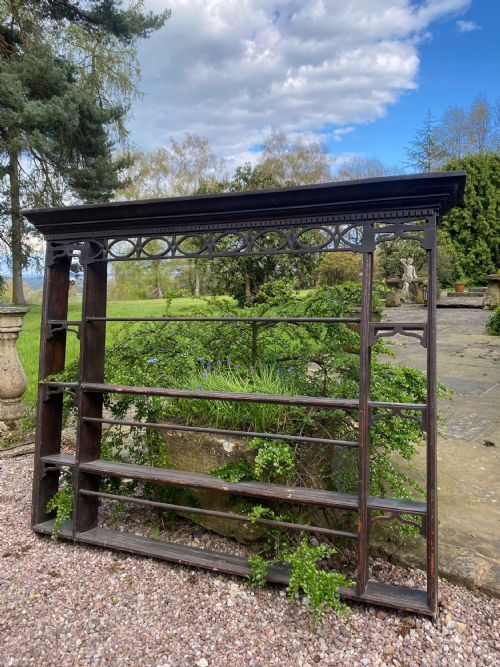
Buyers will most frequently encounter nineteenth-century wall shelves and eighteenth-century plate racks fashioned from oak. These items served functional roles in domestic interiors, holding ceramics, spoons, or coats while utilising vertical wall space.
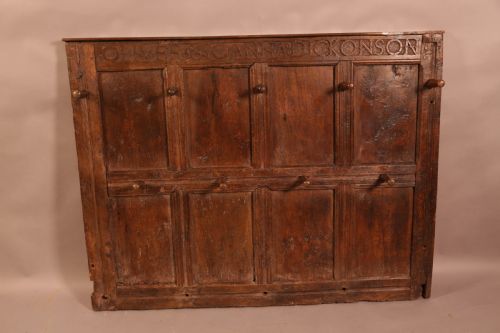
Origins range across English regional workshops, carrying decorative elements like Gothic details or simple folk art carving. Each piece reflects the utility and aesthetic preferences of its respective period, from seventeenth-century panels to Victorian halls.
What varies in quality
Quality rests on the crispness and depth of the carved ornamentation, distinguishing spirited folk art or Gothic Revival detailing from simpler, plain-board construction. The handling of the timber, particularly the selection of well-figured oak boards, defines the superior examples.
Integrity of form and the retention of original hanging mechanisms or accompanying components, such as pewter spoons in spoon racks, elevate certain pieces above standard utility items.
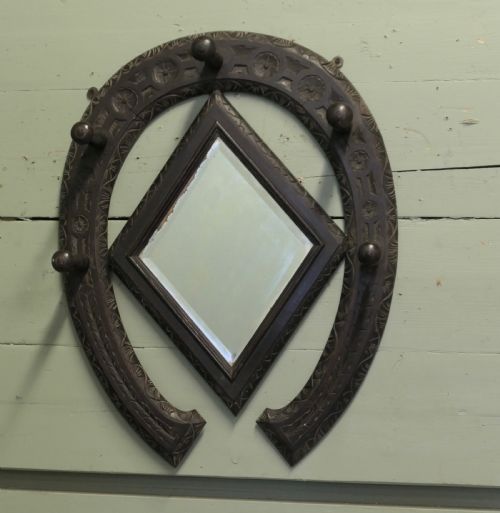
One nineteenth-century piece combines a horseshoe shape with a coat rack, a mirror, and a tack rack.
The Carved Oak Hanging Rack Glossary
- Delft rack
- A wall-mounted rack specifically designed for displaying Delftware plates and chargers. These eighteenth-century pieces typically feature slotted shelves and retaining rails.
- Gothic Revival
- An architectural and decorative style popular during the nineteenth century, characterised by pointed arches, tracery, and medieval motifs. It appears frequently on Victorian hanging shelves and coat racks.
- Arts and Crafts
- A design movement valuing handcraftsmanship and traditional materials. Items from this style display honest construction and simple, unpretentious carving.
- Spoon rack
- A compact wall hanging designed to display small collections of spoons. Eighteenth-century examples often incorporate narrow display slots.
- Trefid
- An early style of spoon with a flat, three-lobed terminal handle. These occasionally accompany period spoon racks.
Carved Oak Hanging Rack: Frequently Asked Questions
What were carved oak hanging racks used for?
These pieces provided accessible storage and display for domestic items such as plates, spoons, coats, and small personal belongings. They kept frequently used objects within reach while saving valuable floor space in historical homes.
Over centuries, specific forms evolved for specific tasks, from kitchen plate storage to hallway coat and mirror combinations.
How do I tell seventeenth-century racks from nineteenth-century ones?
Seventeenth-century pieces typically display heavier timber construction with deep, hand-carved panels and simpler architectural proportions. Nineteenth-century items often reflect revival styles like Gothic or Arts and Crafts, incorporating varied woods like beech alongside oak.
Examining the tool marks, joinery methods, and decorative vocabulary helps distinguish the earlier vernacular work from later revival interpretations.
Can these hanging racks support heavy items?
While originally built for heavy domestic use such as displaying earthenware plates or hanging coats, modern placement requires careful assessment of the wall structure. The strength depends on the original timber frame and the security of the mounting points.
Historic hanging points should be checked and supplemented with appropriate modern fixings to ensure safe wall attachment.
Where should I hang a wall rack?
Kitchens and dining areas suit plate racks and spoon racks, echoing their historical domestic placement. Hallways accommodate coat and tack racks or mirrors with small display shelves.
Ensuring adequate clearance around the piece allows the carved details and functional ledges to be appreciated visually.