

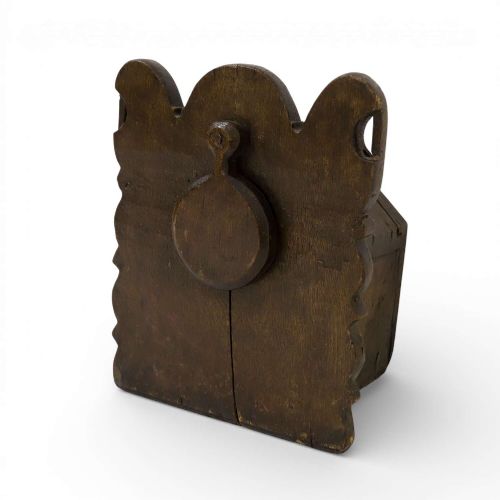


Carved Oak Container
A carved oak container brings robust joinery and tactile grain into a room, serving as a practical receptacle shaped by centuries of domestic use.
Carved Oak Container
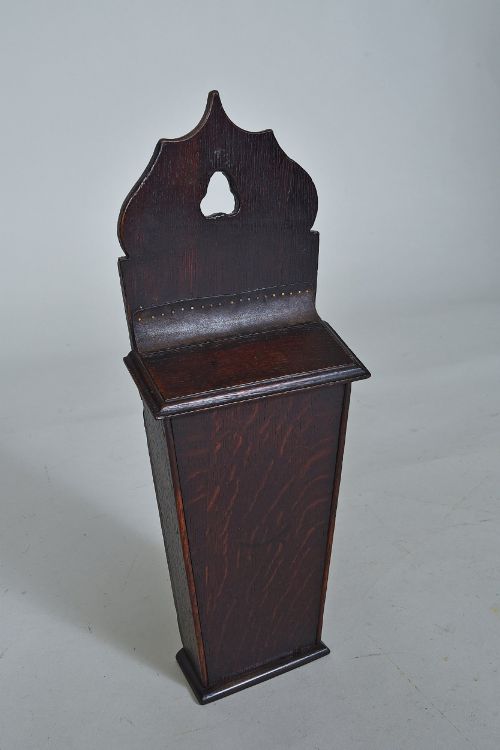
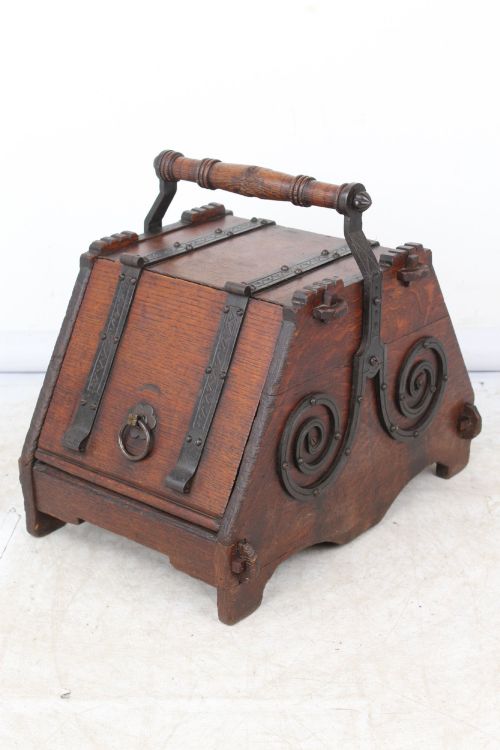
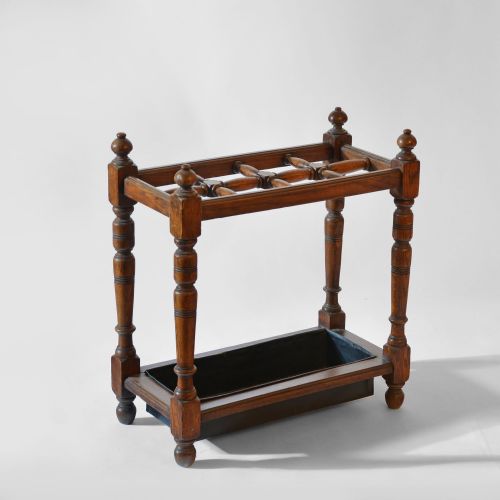
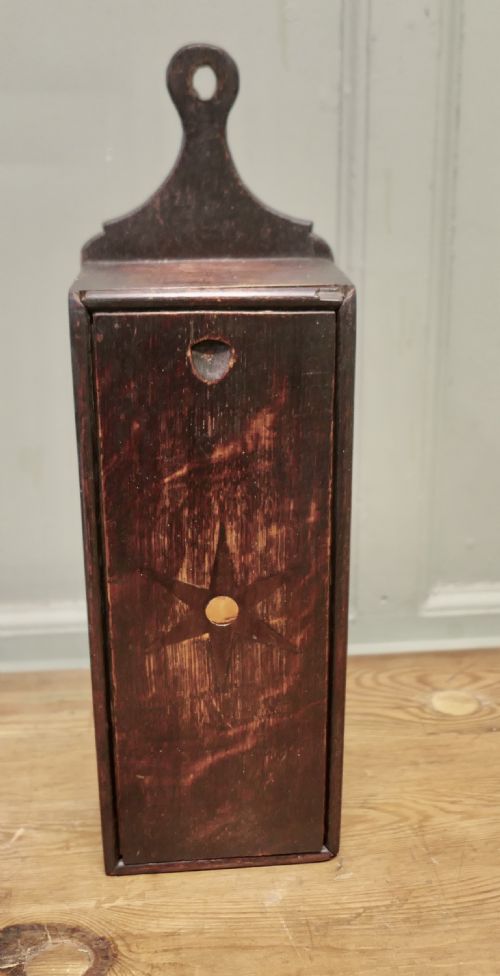
A carved oak container encompasses functional domestic items ranging from wall-hanging candle boxes and salt boxes to coal scuttles, umbrella stands, and small treen boxes. These pieces emerge from periods including the seventeenth, eighteenth, and nineteenth centuries, spanning Georgian, Victorian, Edwardian, and Gothic Revival styles.
The version most commonly encountered on this page is the utilitarian box or coal scuttle fashioned from solid timber. Such objects reflect traditional British and European country craftsmanship, often featuring hinged lids, carved panels, and original metal hardware.
Domestic utility dictates the form of a carved oak container, whether it is designed to hold salt, candles, fuel, or walking sticks. Their survival demonstrates how everyday storage was executed with decorative relief carving and sturdy joinery.
Materials and construction methods
Makers utilised solid oak for its durability and strong grain pattern, often pairing the timber with wrought iron hinges, latches, and brass fixtures. These metallic elements were functional necessities that secured lids and provided handles for heavy use.
Surface ornamentation relied on hand-carved details, panels, and occasional traces of early paint. Joinery techniques varied from pegged joints in earlier centuries to dovetailing and box construction in later Victorian and Edwardian examples.
Carved Oak Container Retail Price Guide 2026
Typical asking prices for carved oak container among the pieces listed under this phrase on Sellingantiques today, from the lower quarter to the upper quarter. They describe what is for sale here now, not the wider market.
Materials recorded across the inventory include solid oak combined with wrought iron, brass, and metal hardware.
What distinguishes finer examples
Quality rests upon the crispness of the carving and the originality of the hardware, such as hinges, liners, and shovels. Pieces retaining their early surface patination and untouched fixings stand apart from those with replaced components.
Structural integrity and the thickness of the oak timber define the upper tier of these containers. Well-preserved joinery and purposeful design without excessive later alterations indicate superior craftsmanship.
Christopher Dresser
The Carved Oak Container Glossary
- Purdonium
- A specific type of coal box, typically Edwardian or Victorian, featuring a sloping front and a drop-down lid designed to conceal fuel indoors. These containers often house a metal liner and matching shovel.
- Treen
- Small handmade wooden household objects carved for utilitarian domestic use. This category includes small boxes and butter tubs fashioned from oak and other hardwoods.
- Salt box
- A wall-mounted container historically used to keep salt dry near the hearth. These pieces generally feature a slanted hinged lid and a high backboard with a suspension hole.
- Gothic Revival
- An architectural and decorative style popular during the nineteenth century that reinterpreted medieval pointed arches, tracery, and heavy mouldings. Furniture from this movement displays dramatic carved reliefs.
- Wrought iron
- Iron beaten into shape by hand while hot, commonly utilised for hinges, latches, and strapwork on seventeenth and eighteenth-century boxes.
Carved Oak Container: Frequently Asked Questions
How were salt boxes used?
Salt boxes hung on walls near hearths to keep coarse salt dry and within reach for cooking. Their angled lids allowed quick access while protecting the contents from kitchen dampness.
Over generations, these wall boxes became standard fixtures in British domestic interiors, combining simple joinery with practical everyday utility.
What is a purdonium?
A purdonium is a dedicated coal box developed during the Victorian and Edwardian periods to store fuel neatly beside the fireplace. They typically include a removable metal liner to contain coal dust and ash.
Many versions feature a matching shovel stored in a compartment, keeping the hearth tidy while displaying decorative oak carving on the exterior.
How do I care for oak containers?
Oak containers benefit from stable indoor humidity away from direct heat sources and strong sunlight, which can dry out the timber. Applying a traditional wax polish occasionally helps preserve the surface patination.
Avoid using modern liquid cleaners or harsh detergents on antique wood, as these can strip the original finish and accumulated polish.
How do I date a wooden box?
Dating relies on examining construction techniques, tool marks, joinery methods, and the style of any carved ornamentation. Hand-wrought iron hardware and pegged joints typically point towards earlier centuries.
Later Victorian and Edwardian pieces often incorporate machine-cut elements, brass fittings, or specific design movements such as Gothic Revival or Aesthetic style.