







Carved Marble Mirror
These carved marble mirror pieces combine solid stone tops and reflective glass within period frames to anchor grand rooms with substantial presence.
Carved Marble Mirror
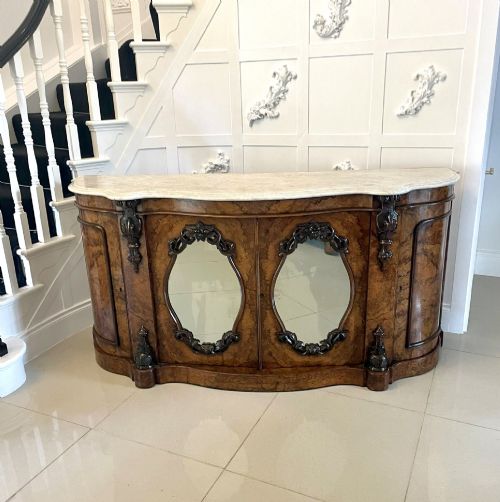
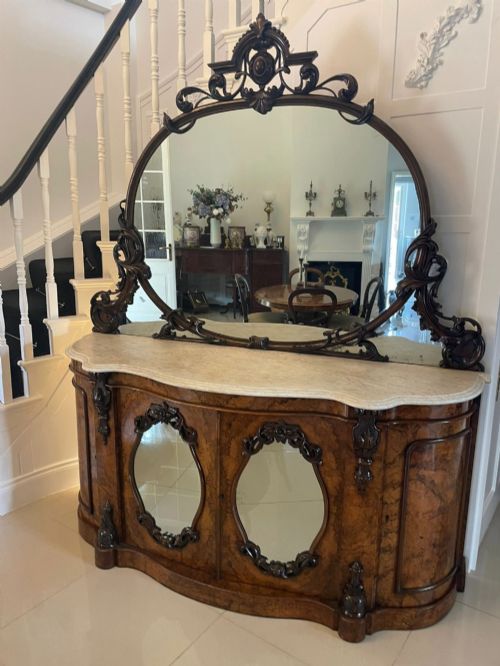
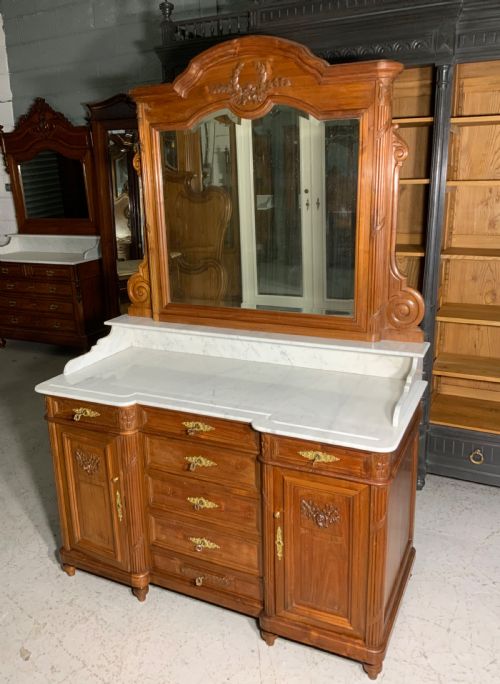
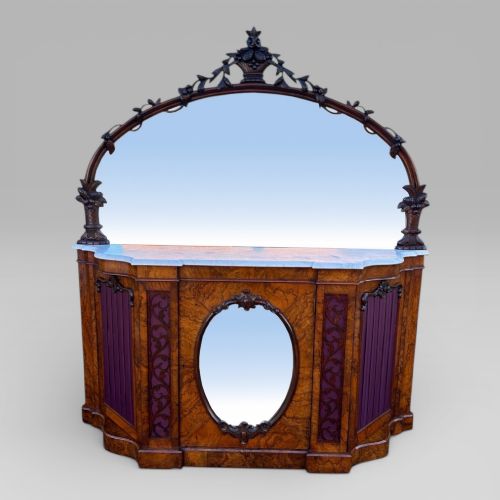
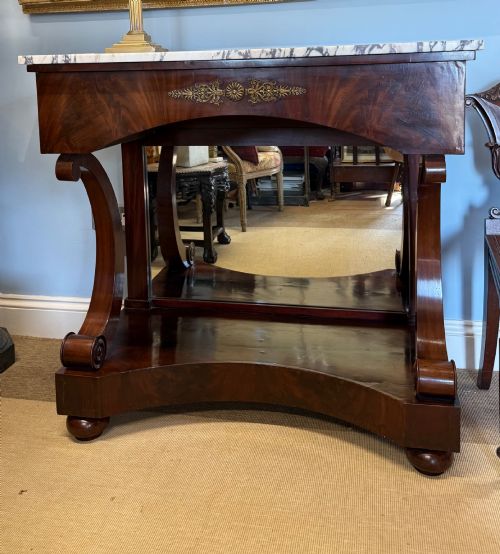
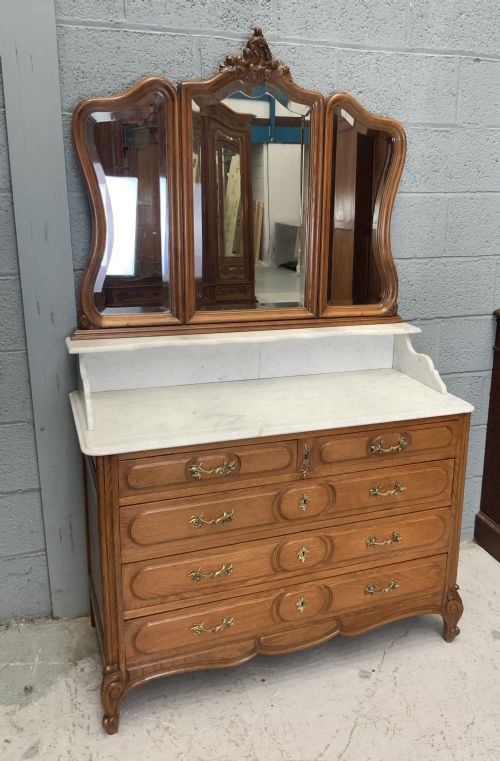
When you search for a carved marble mirror, you encounter substantial furnishings from the nineteenth and early twentieth centuries, spanning periods from the Regency era through Victorian times to Art Deco. The most frequent form on this page pairs a heavy marble slab top with a matching mirror or a console table incorporating a mirror back, alongside related washstands and dressing tables.
The origins of these items trace through English craftsmanship and French provincial or revival workshops, notably utilising styles such as French Rococo, Neoclassical Empire, and Victorian ornamentation. Pieces range from narrow hall stands with marble shelves to grand console tables and pier mirror sets designed for principal reception rooms.
How they were made
Makers constructed the structural carcases using dense timbers such as mahogany, walnut, burr walnut, rosewood, oak, and kingwood, often shaping the wood with detailed hand carving. These wooden frames support heavy marble tops, which provide a cool, smooth working or display surface.
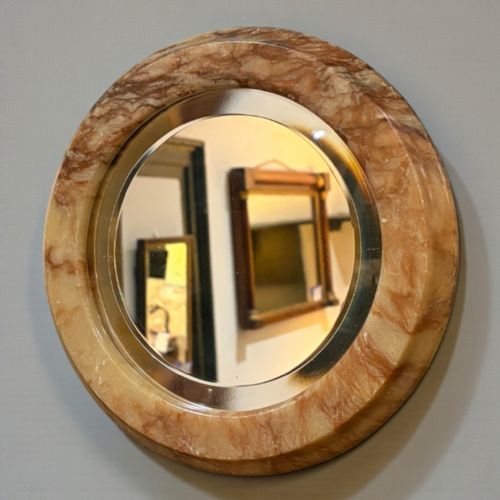
Mirrors utilise thick glass plates set within carved and gilded wood, parcel-gilt frames, or brass details, reflecting light across the room. Surface treatments include French polishing on the timber alongside applied giltwood and parcel-gilt highlights on the decorative carvings.
Carved Marble Mirror Retail Price Guide 2026
Typical asking prices for carved marble mirror among the pieces listed under this phrase on Sellingantiques today, from the lower quarter to the upper quarter. They describe what is for sale here now, not the wider market.
Listings feature items spanning the nineteenth century through the Edwardian era, incorporating mahogany, oak, walnut, and marble.
What varies in quality
The refinement of the hand carving dictates much of the distinction between standard items and exceptional examples, with deeper undercut foliage and smoother symmetry marking superior work. The choice and figure of the timber, such as highly figured burr walnut or rich rosewood, signal the maker's investment in finer materials.
The weight, thickness, and natural veining of the marble top establish another tier of quality, alongside the clarity of the mirror glass and the crispness of the giltwood or parcel-gilt accents. Matching sets that pair a console table directly with its original mirror retain a higher degree of architectural integrity than assembled pairs.
The Carved Marble Mirror Glossary
- Console table
- A table designed to stand against a wall, frequently supported by ornate brackets or legs and topped with stone.
- Pier mirror
- A tall mirror specifically designed to hang on the wall space between two windows, often above a matching console.
- Credenza
- A sideboard cabinet used for storage and display, frequently incorporating burr walnut veneers and marble surfaces.
- Parcel-gilt
- Woodwork decorated with thin applications of gold leaf restricted to specific carved details rather than covering the whole surface.
- Carrara marble
- A type of white or blue-grey marble quarried in Italy, valued for its fine, dense grain and subtle veining.
Carved Marble Mirror: Frequently Asked Questions
Where should I place a console table?
These tables suit hallways, entranceways, or living rooms where they anchor wall mirrors and provide a display surface. Their shallow depth allows them to sit flush against walls without obstructing pathways.
Pairing them with a matching mirror creates a balanced focal point that draws the eye upward and brightens darker corners of a room.
How do I clean a marble top?
Wipe the surface regularly using a soft cloth dampened with warm water and a neutral, pH-balanced soap. Avoid acidic cleaners, vinegar, or harsh chemicals that can etch the polished stone.
Dry the marble thoroughly afterwards to prevent water spots and maintain the natural lustre of the polished finish.
What periods do these pieces represent?
The listings encompass nineteenth-century designs, including Regency, Victorian, and French Empire styles, alongside early twentieth-century examples up to the Art Deco period. Each era brings distinct decorative motifs, from neoclassical symmetry to ornate rococo curves.
Recognising these stylistic shifts helps date the construction and understand the workshop traditions behind each item.
Are these pieces suitable for everyday use?
Solid timber construction and heavy stone tops make these items durable for daily living when handled with reasonable care. Using coasters on marble and protecting wood surfaces from excessive moisture preserves their condition.
Their robust build ensures they function reliably as washstands, dressing tables, or display surfaces in modern homes.