



Carved Mahogany Dinner Table
A carved mahogany dinner table brings rich timber grain and period presence to a room, offering the solid timber construction and extending mechanisms buyers seek.
Carved Mahogany Dinner Table
A carved mahogany dinner table provides a substantial wooden surface for dining, drawing on nineteenth-century and Edwardian traditions. When searching for a carved mahogany dinner table, buyers encounter formats ranging from pedestal bases to extending designs fitted with leaves.
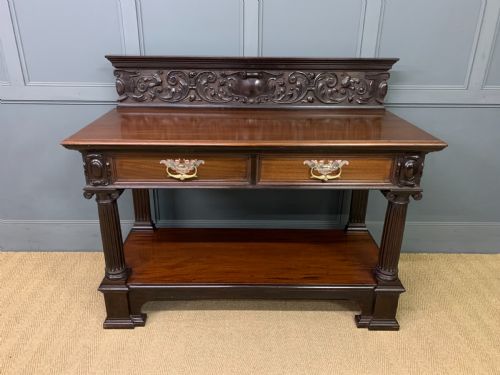
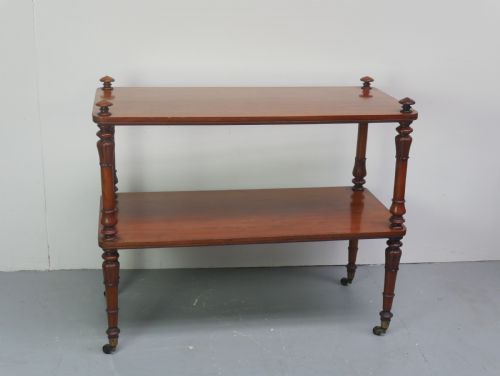
The selections span Victorian, Edwardian, and revival aesthetics, including Regency Revival and Chippendale Revival movements. Alongside core dining tables, related serving furniture such as buffets, dumb waiters, and serving tables appear within the category.
Materials and construction methods
Makers utilised dense mahogany timber, selected for its rich grain and structural stability. Secondary elements incorporate brass fittings and ceramic castors to support mobility on heavy dining and serving furniture.
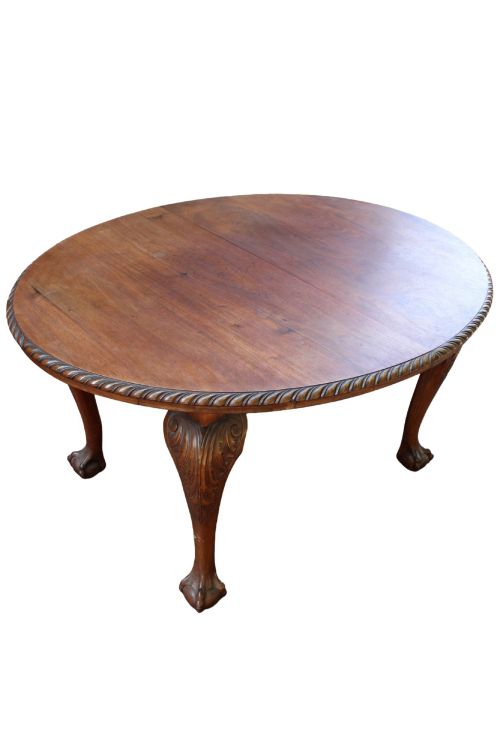
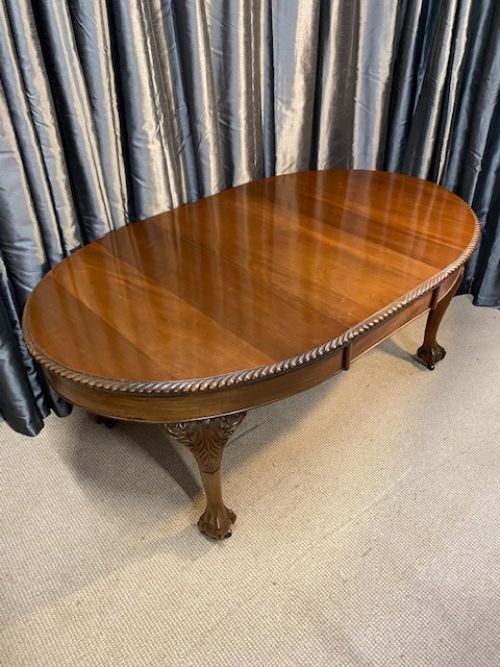
Carving defines the ornamental details, seen on claw and ball legs and structural edges. Extending formats rely on functional timber tracks and telescopic mechanisms to expand the surface area.
Carved Mahogany Dinner Table Retail Price Guide 2026
Typical asking prices for carved mahogany dinner table among the pieces listed under this phrase on Sellingantiques today, from the lower quarter to the upper quarter. They describe what is for sale here now, not the wider market.
Listings feature mahogany dining tables and serving pieces spanning the Victorian, Edwardian, William IV, and George IV eras.
Factors influencing quality
The depth and crispness of the timber carving separate standard examples from superior pieces, particularly around legs and borders. Figured mahogany grain patterns also elevate the visual presence of the wood.
The smoothness of the extending mechanism and the inclusion of original brass or ceramic components indicate higher grade manufacturing standards from the Victorian and Edwardian periods.
Gillows of Lancaster and London·Maple & Co
The Carved Mahogany Dinner Table Glossary
- Mahogany
- A durable tropical hardwood known for its deep reddish-brown colour and fine grain. It forms the primary structural material for these nineteenth-century and Edwardian dining and serving pieces.
- Extending table
- A dining table designed with a central mechanism and removable leaves to increase seating capacity. This format allows the furniture to adapt for larger gatherings.
- Pedestal base
- A central column support resting on carved feet rather than traditional corner legs. This construction maximises legroom around the dining surface.
- Dumb waiter
- A tiered stand or sideboard used for holding dishes and serving items during meals. These wooden utility pieces often feature multiple graduating shelves.
- Claw and ball
- A carved furniture foot depicting a bird's talon clutching a sphere. This decorative motif appears frequently on nineteenth-century revival table legs.
Carved Mahogany Dinner Table: Frequently Asked Questions
How do I operate an extending mahogany dining table?
These tables typically utilise internal wooden runners or telescopic mechanisms that pull apart from the centre. Additional leaves are then dropped into the resulting gap to expand the surface.
Care should be taken to pull the halves evenly to prevent binding on the tracks. Securing latches underneath often locks the leaves firmly into position.
What is the difference between a buffet and a dumb waiter?
A buffet is generally a larger side cabinet or serving table designed for displaying dishes and storing dining accessories against a wall. They often incorporate cupboards or drawers.
A dumb waiter is traditionally a tiered shelving stand positioned near the dining table to hold courses during a meal without requiring servant presence.
How should I care for a nineteenth century mahogany surface?
Regular dusting with a soft, dry cloth preserves the polished timber finish without building up residue. Avoid placing the furniture in direct sunlight or near heat sources to prevent timber splitting.
Applying natural beeswax periodically nourishes the mahogany grain and maintains a soft sheen. Moisture should be wiped away promptly to protect the polish.
How do I identify a revival style from an original period piece?
Revival pieces, such as those built in the Regency or Chippendale Revival styles, often date from later nineteenth or early twentieth-century production while copying earlier aesthetics.
Construction marks, timber seasoning, and hardware fastenings help differentiate the original period of manufacture from subsequent stylistic revivals.