

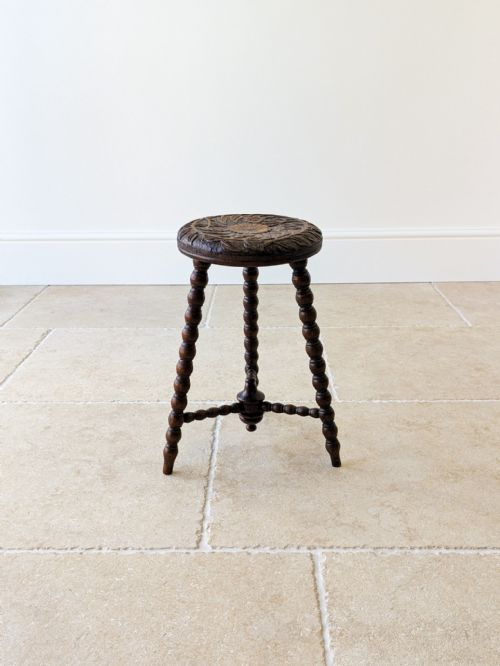
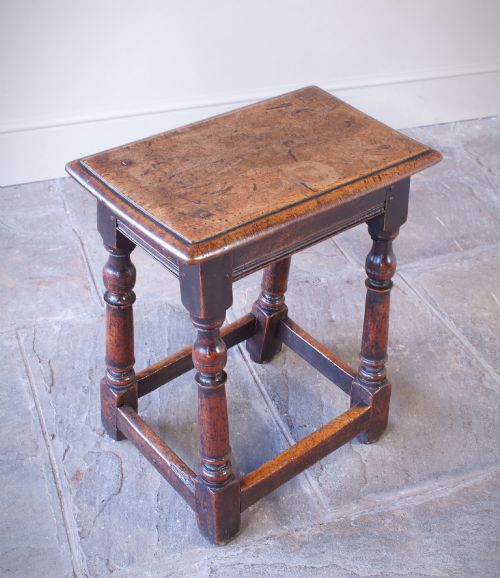
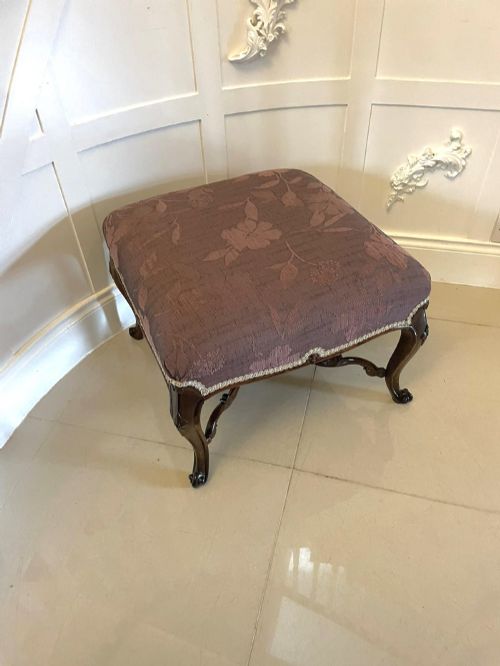
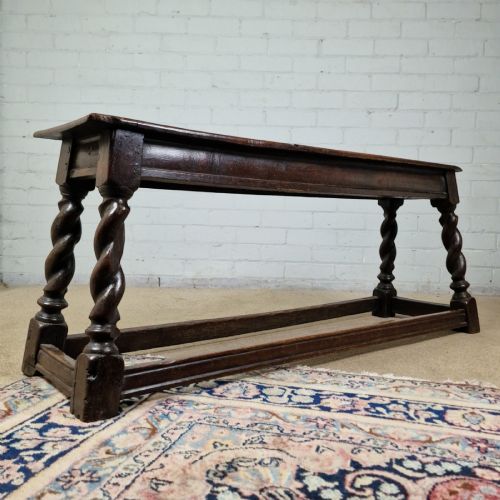
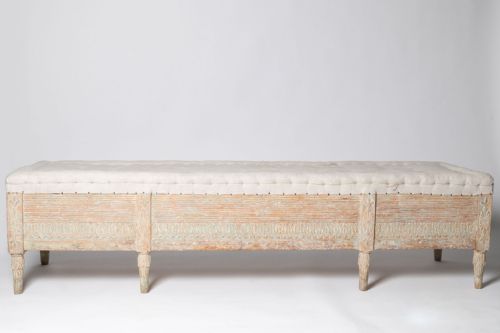

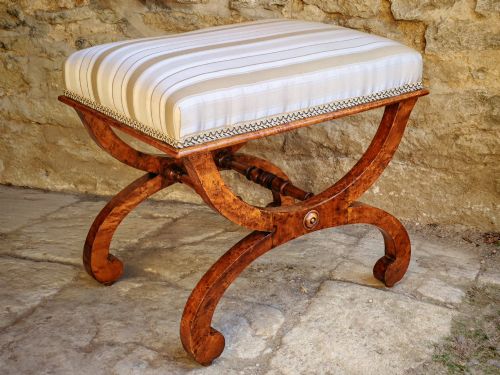
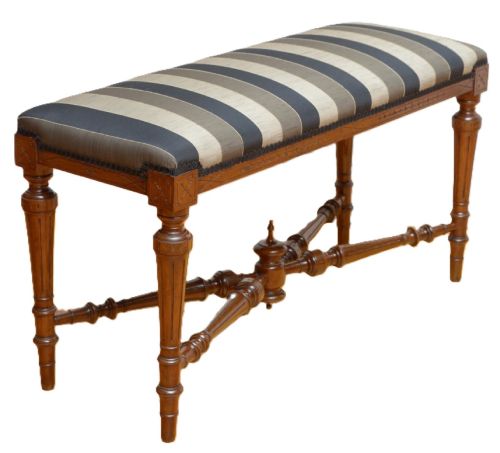
Carved Leg Wooden Stool
These carved leg wooden stool examples span from solid jointed oak to walnut and mahogany, offering practical seating shaped by centuries of craftsmanship.
Carved Leg Wooden Stool
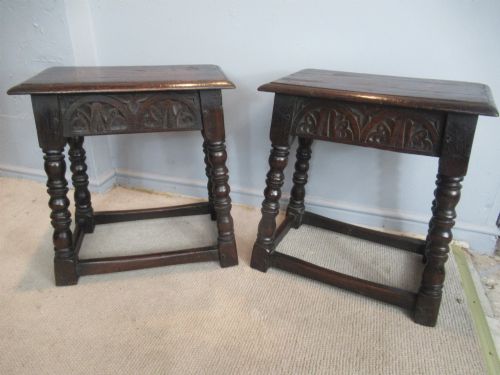
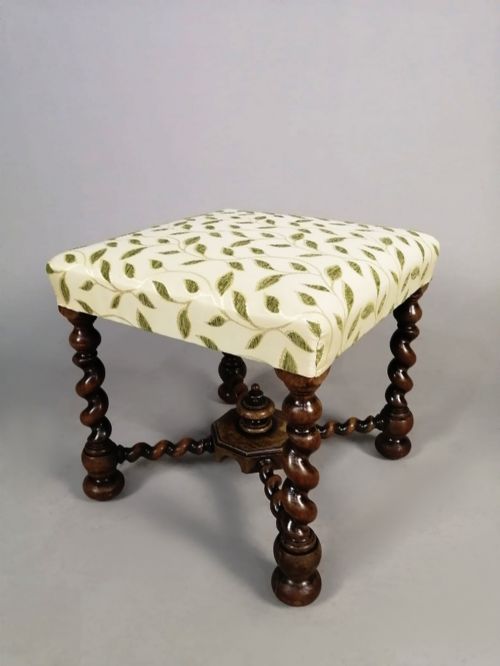
A carved leg wooden stool provides sturdy, portable seating that ranges from simple vernacular forms to elaborate revival designs. Buyers exploring a carved leg wooden stool encounter functional everyday seats alongside formal decorative pieces.
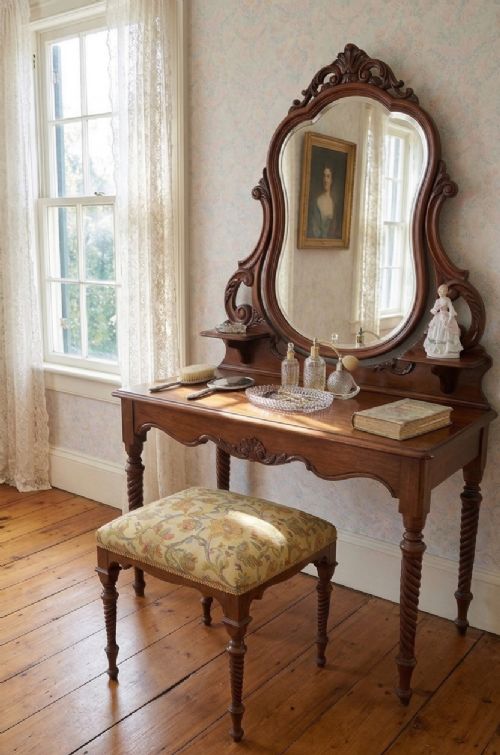
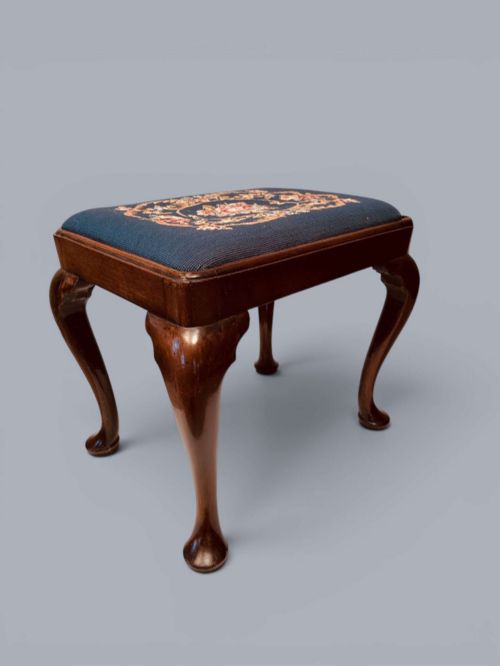
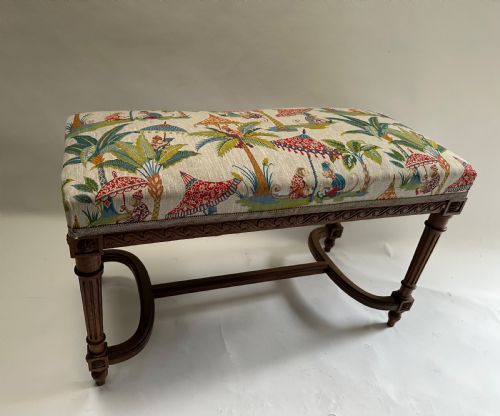
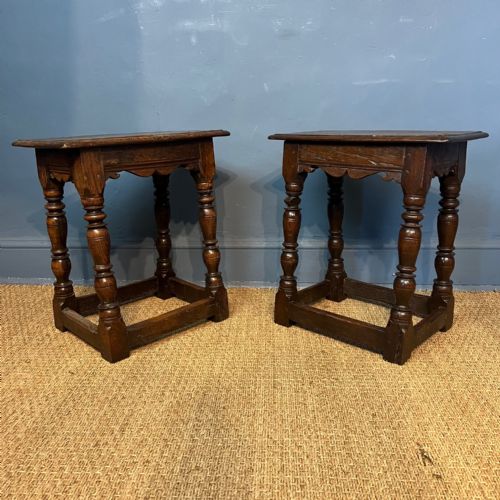
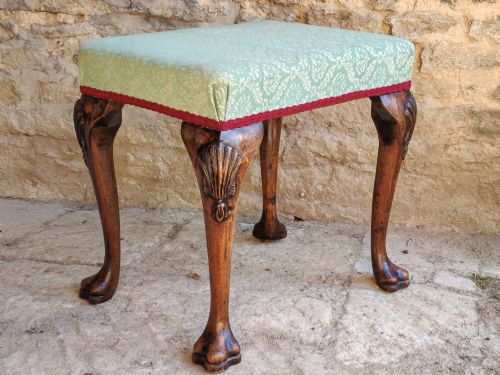
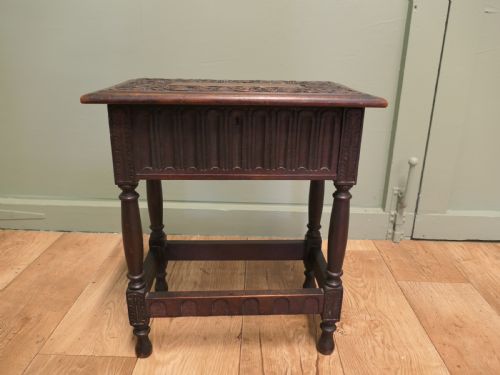
The selection includes robust joint stools from earlier centuries, refined Victorian dressing stools with cabriole supports, and rustic country examples. Oak and walnut predominate among these forms, supplemented by mahogany, elm, and painted pine.
Stools serve multiple domestic purposes across the periods represented, functioning as seats, occasional tables, or window rests. Most pieces display carved wooden legs, whether turned, faceted, or shaped in specific regional and historical styles.
Materials and construction
Cabinet makers utilised dense native and exotic timbers including oak, walnut, mahogany, elm, and rosewood to construct these frames. Joinery methods relied heavily on mortise and tenon joints, particularly in joint stools designed for heavy domestic use.
Carving was executed by hand directly into the solid timber legs and rails, incorporating styles from Jacobean revival to Queen Anne and French neoclassical motifs. Upholstered variants integrated webbing and horsehair stuffing beneath fabric coverings, while simpler vernacular versions left wooden seats bare.
Carved Leg Wooden Stool Retail Price Guide 2026
Typical asking prices for carved leg wooden stool among the pieces listed under this phrase on Sellingantiques today, from the lower quarter to the upper quarter. They describe what is for sale here now, not the wider market.
Design styles span Jacobean, Queen Anne, Victorian, Regency, and French Chateau traditions.
Judging quality in construction
Superior pieces display crisp, deep hand-carving that retains sharp definition along the legs and rails, distinguishing them from later or mechanised reproductions. The choice of timber also dictates quality, with dense burr maples, figured walnuts, and quarter-sawn oaks commanding greater regard.
Structural integrity depends on the tightness of the original joinery and the survival of the timber without excessive shrinkage or replacement parts. Refined proportions and harmonious decorative schemes separate standard utilitarian seating from pieces made for formal reception rooms.
The Carved Leg Wooden Stool Glossary
- Joint stool
- A sturdy wooden stool constructed with mortise and tenon joints held together by wooden pins rather than glue.
- Cabriole leg
- A furniture leg that curves outward at the knee and tapers inward toward the foot, often ending in a pad or claw.
- Jointed oak
- Timber connected through traditional interlocking carpentry joints rather than modern metal fasteners.
- Vernacular
- Everyday domestic furniture made by local craftsmen using regional traditions rather than following high-style metropolitan designs.
Carved Leg Wooden Stool: Frequently Asked Questions
How do I date an old wooden stool?
Dating relies on identifying the timber species, joinery techniques, and carved stylistic motifs that align with documented historical periods.
Changes in tool marks and the natural patina accumulated on the wood over generations further clarify the age of the piece.
Were these stools used for sitting?
Most pieces functioned as primary or secondary seating around the home, while others served specific tasks like milking or piano playing.
Some sturdier examples also doubled as small tables or luggage stands when extra surface space was needed in a room.
How do I care for antique wood?
Keep wooden stools away from direct heat sources and fluctuating humidity to prevent the timber from splitting or warping.
Apply traditional beeswax periodically to nourish the surface and maintain the natural lustre of the aged finish.
What is a joint stool?
A joint stool is a low wooden seat built with pegged mortise and tenon joinery, originally used at the dining table.
Their robust construction made them versatile enough to stand upon or use as portable tables during the seventeenth and eighteenth centuries.