

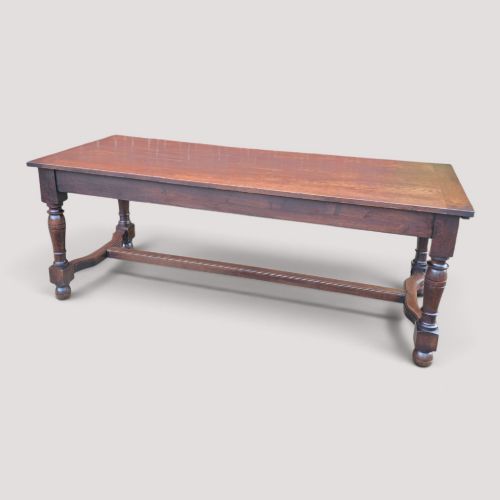
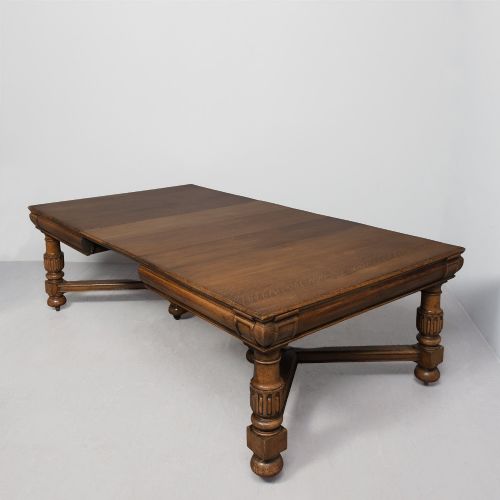
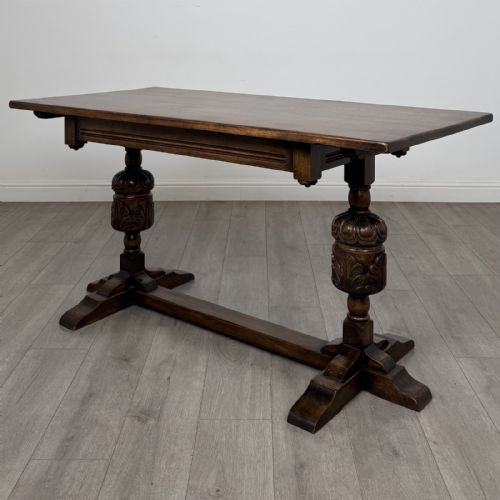
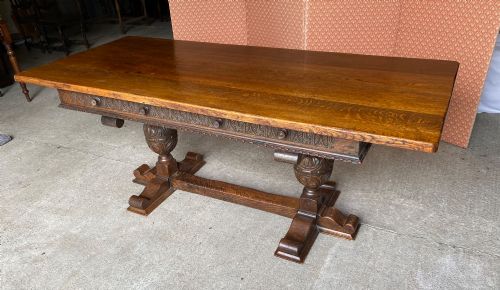
Carved Leg Refectory Table
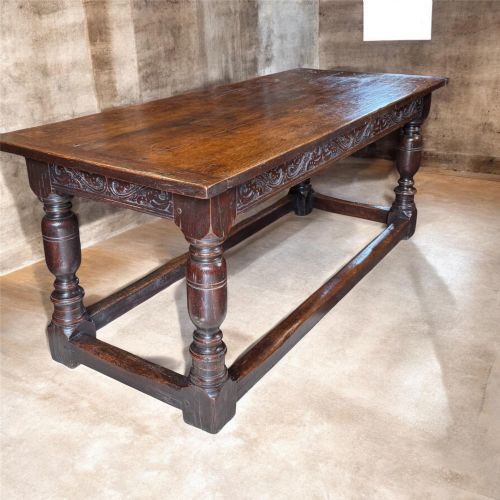
A carved leg refectory table brings historic gravitas to a dining room, offering long timber surfaces supported by sculptural wooden bases.
Carved Leg Refectory Table
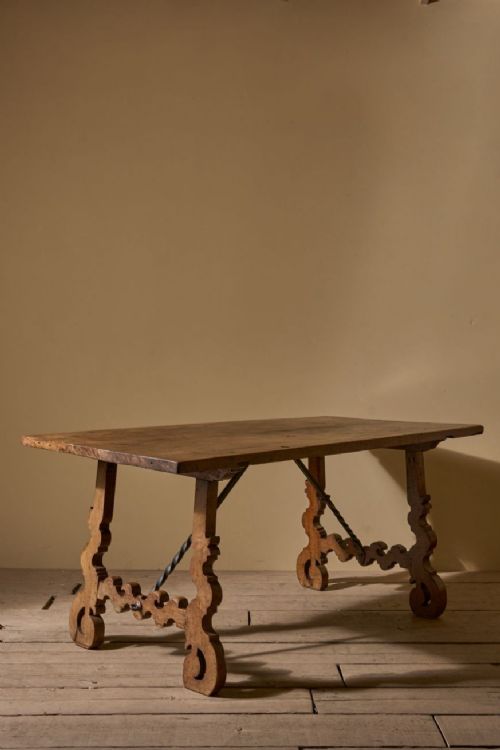
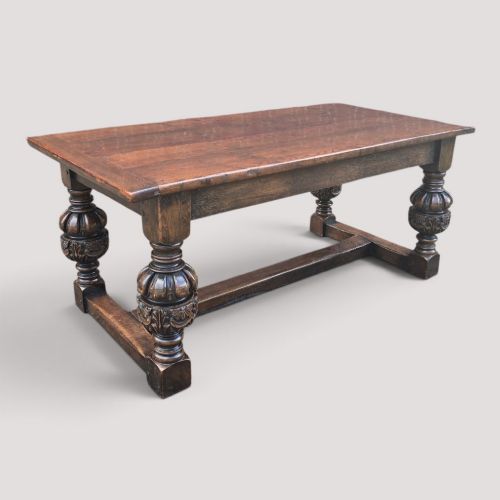
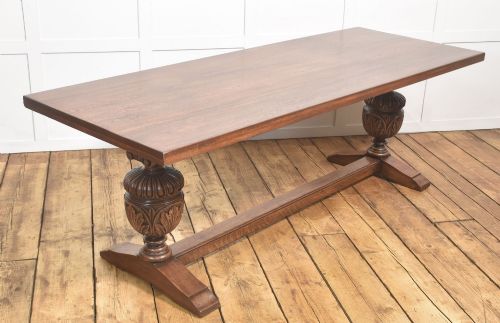
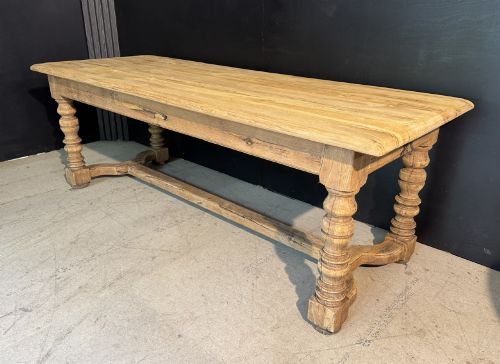
A carved leg refectory table is a substantial dining or serving surface rooted in monastic and domestic history, designed for communal meals and grand gatherings. When searching for a carved leg refectory table, buyers encounter formats spanning centuries of craftsmanship, from authentic seventeenth-century survivors to later revival pieces.
How they were made
Makers relied principally on solid oak and walnut, choosing dense hardwoods capable of supporting heavy spans and elaborate chisel work. Timber frames were joined using traditional pegged mortise and tenon joints to ensure long-term structural stability without relying on modern metal fasteners.
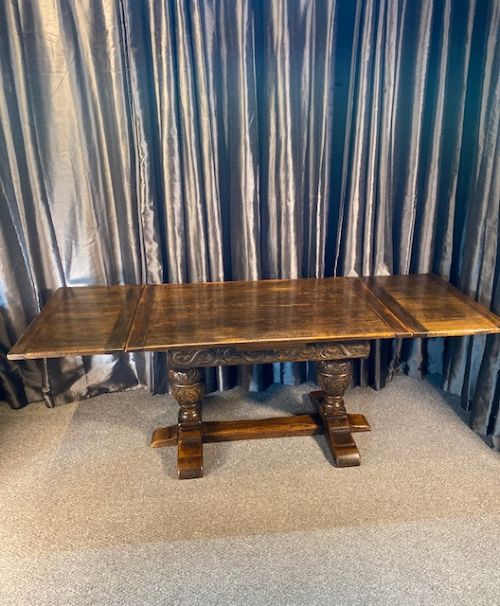
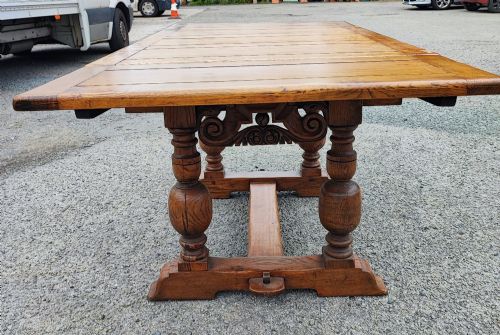
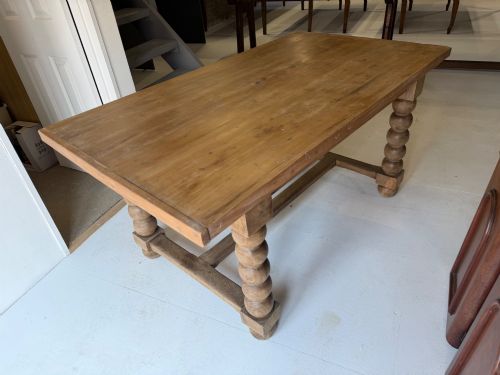
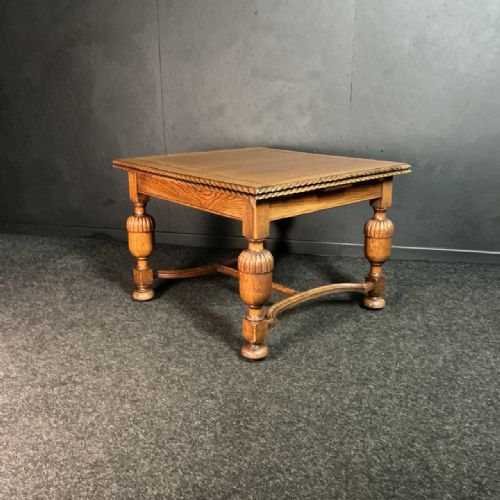
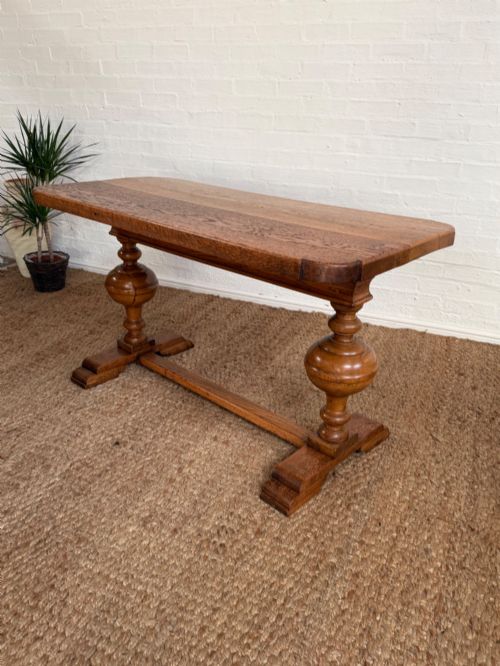
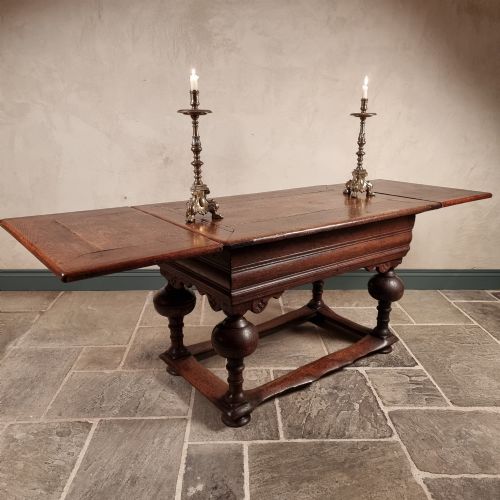
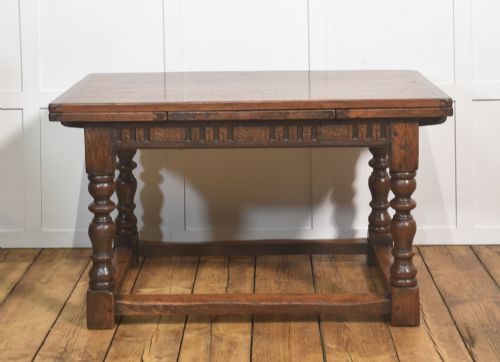
Carved details on legs and aprons were executed by hand using gouges and chisels, producing distinctive bulbous, baluster, or bobbin turnings. Draw leaf mechanisms were integrated beneath the main top to allow the surface area to expand smoothly when needed.
Carved Leg Refectory Table Retail Price Guide 2026
Typical asking prices for carved leg refectory table among the pieces listed under this phrase on Sellingantiques today, from the lower quarter to the upper quarter. They describe what is for sale here now, not the wider market.
Some nineteenth-century makers built refectory tables stretching up to eighteen feet long, practically requiring an indoor expedition to reach the salt cellar.
What varies in quality
The grade of timber dictates the foundational excellence of the piece, with tightly grained quarter-sawn oak holding a superior presence compared to softer secondary woods. The depth, crispness, and artistic confidence of the hand carving elevate certain examples far above routine commercial production.
Proportion and structural integrity define the upper tier of tables, where the scale of the base matches the immense weight of the top without feeling cumbersome. Original movement mechanisms in extendable formats operate with precise alignment across the whole timber surface.
Maple and Co
The Carved Leg Refectory Table Glossary
- Refectory table
- A long dining table originally used in monastic dining halls. These surfaces evolved from communal medieval boards into the robust domestic centerpieces seen today.
- Draw leaf table
- A dining table with pull-out extension leaves stored underneath the main top. This clever mechanism lengthens the surface seamlessly for entertaining.
- Bulbous leg
- A heavily turned, swelling table leg often decorated with carved melon or acanthus motifs. This robust form is characteristic of Elizabethan and Jacobean furniture.
- Bobbin leg
- A turned furniture leg resembling a string of wooden bobbins or spools. Craftsmen created this decorative profile on a lathe during the seventeenth century and later revival periods.
- Jacobean revival
- A nineteenth and twentieth-century style copying the dark carved oak furniture of the early seventeenth century. Makers utilised traditional motifs to satisfy a renewed demand for historic interiors.
Carved Leg Refectory Table: Frequently Asked Questions
How do I seat guests comfortably?
Long rectangular timber boards provide ample legroom along the length, though bulky underframes or thick carved legs can occasionally restrict chair placement at the ends.
Selecting an extendable draw leaf variant allows you to adapt the surface length according to the number of diners present.
Are these tables suitable for daily use?
Robust hardwood construction makes these pieces exceptionally durable for everyday family meals and kitchen activities. Historic timber surfaces easily absorb the patina of daily life over generations.
Using heat-resistant mats and treating the wood with appropriate wax preserves the polished finish against regular wear.
How do I date a refectory table?
Examine the underside and joints for evidence of hand-cut pegging, saw marks, and timber shrinkage that indicate age. Tool marks and construction methods often reveal whether a piece dates to the seventeenth century or a later nineteenth-century revival.
Stylistic cues such as bulbous leg turnings and heavy oak patination help narrow down the period of manufacture.
What interior styles suit these tables?
These commanding wooden surfaces anchor traditional country house settings, rustic farmhouse kitchens, and baronial dining rooms with historic presence. They also provide a striking contrast when placed inside modern minimalist spaces.
Pairing the tables with upholstered dining chairs or simple benches softens the heavy timber aesthetic.