




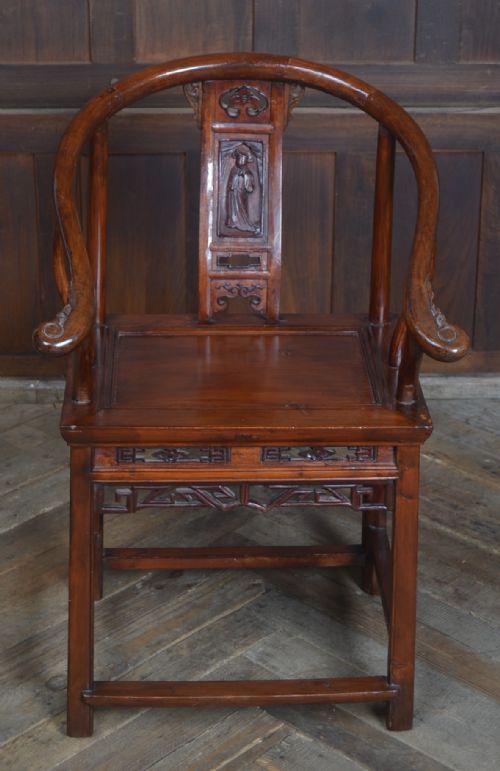


Carved Lacquer Chairs
These carved lacquer chairs bring rich texture and deep red or black finishes to a room, offering both bold pattern and practical seating.
Carved Lacquer Chairs
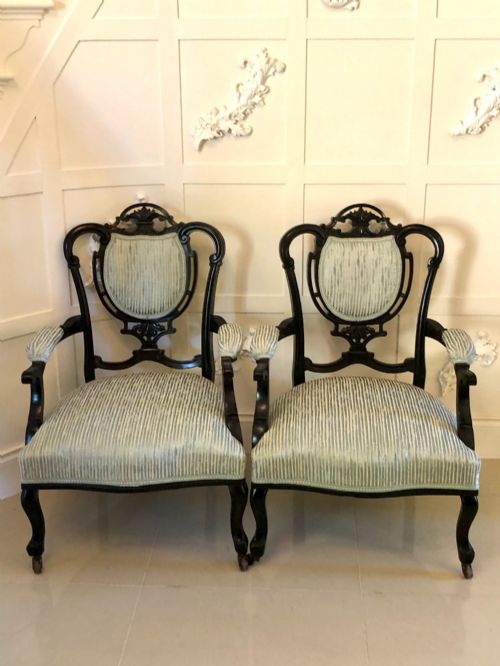
When you search for carved lacquer chairs, you encounter seating featuring applied surface finishes that are subsequently carved with intricate designs. The selection spans traditional Chinese forms alongside Victorian British interpretations and Indian wedding pieces.
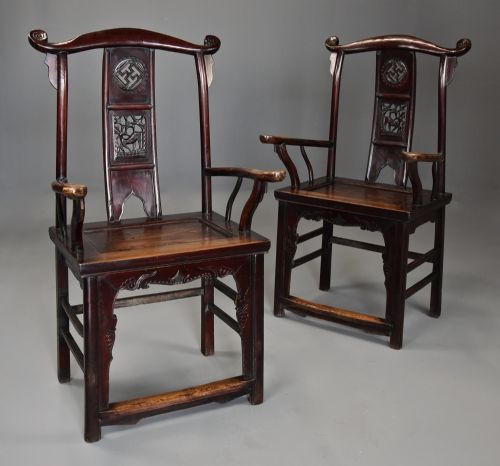
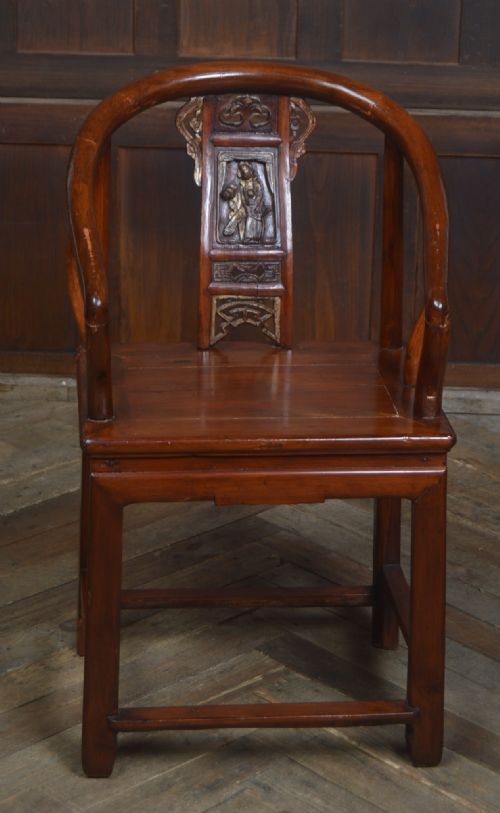
You are most likely to meet Chinese elm yokeback armchairs and side chairs finished in red or black lacquer, alongside Victorian library chairs and benches. These pieces range from seventeenth-century japanned examples up to early twentieth-century creations.
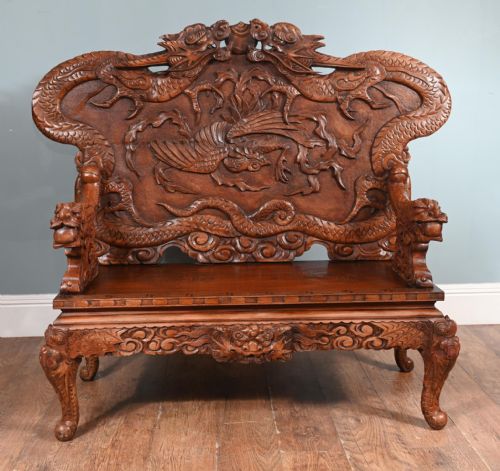
The forms vary from simple elbow seats and hall chairs to ornate dragon benches and concubine chairs. They serve as distinct accent pieces that bring historic depth and tactile surface interest to an interior.
How they were made
Makers built the structural frames using elm, hardwood, and general wood, often shaping them into traditional forms like yokeback armchairs. Caning and fabric were utilised for seats, while timber frames provided the underlying support for the decorative surface layers.
Layers of lacquer were applied to the wood, sometimes building up substantial depth before artisans carved motifs directly into the cured finish. The process required meticulous patience, resulting in surfaces that display deep red or black tones with distinct patinas.
Carved Lacquer Chairs Retail Price Guide 2026
Typical asking prices for carved lacquer chairs among the pieces listed under this phrase on Sellingantiques today, from the lower quarter to the upper quarter. They describe what is for sale here now, not the wider market.
Some chairs are destined strictly for royal concubines, while others merely help you look important while reading the post.
What varies in quality
The depth and crispness of the carved surface detail separate the finer examples from simpler production. Superior pieces show precise execution in the decorative motifs, whereas lesser items feature softer, shallower cutting.
The condition of the original lacquer and the underlying timber patina dictate the visual strength of a piece. Examples retaining their early red or black finishes with minimal disruption hold greater historic integrity.
The Carved Lacquer Chairs Glossary
- Lacquer
- A durable resin or finish applied to wood in multiple layers. It cures to a smooth, hard surface that can be carved once dry.
- Yokeback
- A traditional chair design featuring a curved top rail resembling a yoke. This form provides ergonomic support for the sitter.
- Japanned
- European imitation of East Asian lacquerwork popular from the late seventeenth century onwards. It involves layered varnishes finished with decorative motifs.
- Cinnabar
- A bright red mineral pigment often used to colour lacquer surfaces. In carved pieces, thick layers allow deep, three-dimensional relief work.
- Patina
- The surface sheen and colour acquired by wood and lacquer through age and use. A good patina reflects decades of gentle handling.
Carved Lacquer Chairs: Frequently Asked Questions
Where should I place a carved lacquer chair?
These chairs work well as accent seating in studies, hallways, or living rooms where their rich surfaces can be appreciated. Their distinct visual weight allows them to anchor a corner or stand independently as decorative objects.
Position them away from direct sunlight and strong heat sources to protect the delicate lacquer finishes and prevent timber movement over time.
How do I care for antique lacquer?
Dust the surface regularly with a soft, dry cloth to prevent particulate buildup on the carved details. Avoid chemical polishes, modern cleaning sprays, and excessive moisture.
Maintain a stable indoor humidity level to safeguard both the wooden substrate and the brittle lacquer layers from cracking.
Are these chairs comfortable for daily use?
Many of these pieces, particularly the elm armchairs and library chairs, were designed for practical seating and offer sturdy wooden or cane supports. Others, such as bench forms or ornate ceremonial seating, function better as decorative focal points.
Consider adding a simple, sympathetic cushion if you intend to sit in them for extended periods.
How do I distinguish Chinese lacquer from European japanning?
Chinese pieces often utilise native timbers like elm and feature traditional forms such as yokeback frames with cinnabar or black carved surfaces. European japanning from the early periods typically employs local hardwoods decorated in imitation of Asian imports.
Examining the construction methods, joint work, and the specific composition of the underlying wood helps clarify the geographic origin.