


Carved Hallway Chair
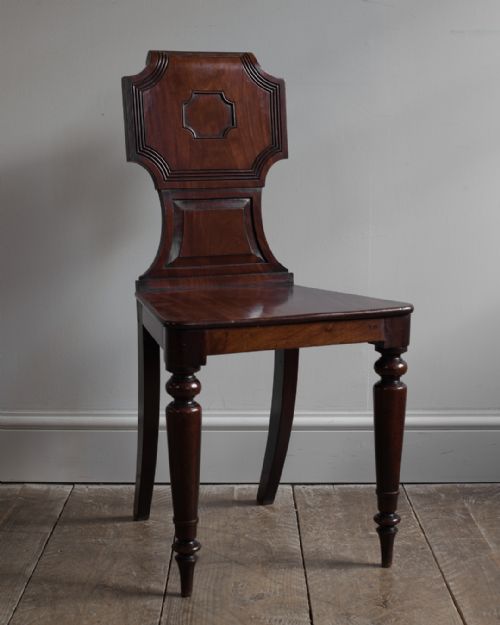
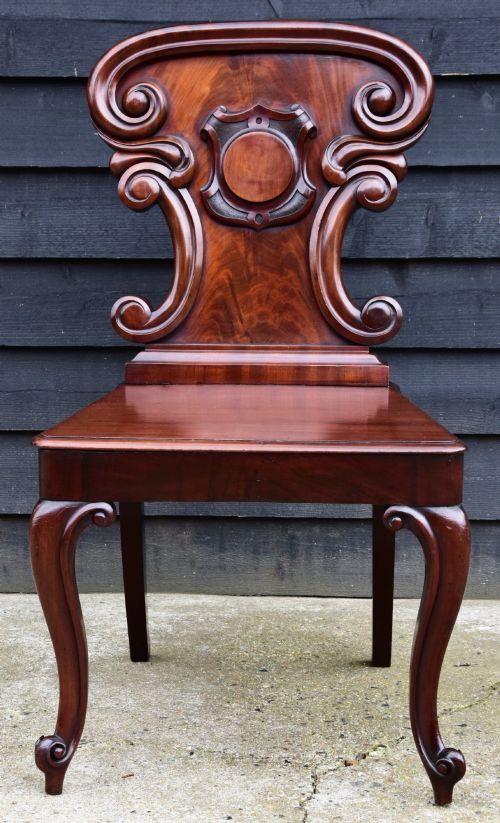
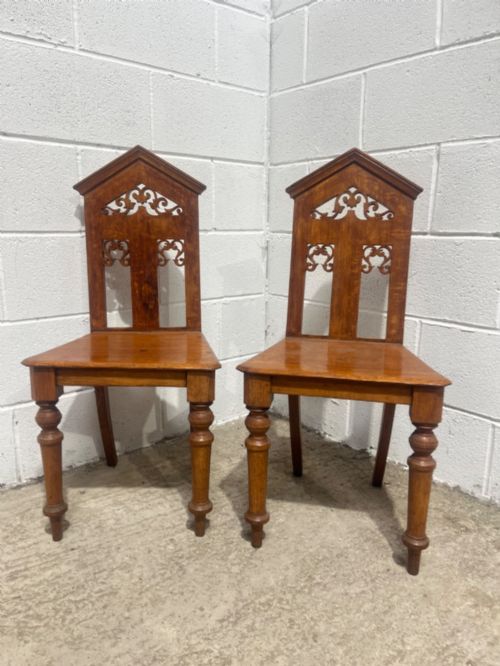
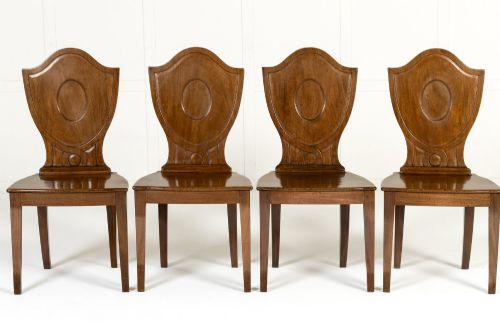
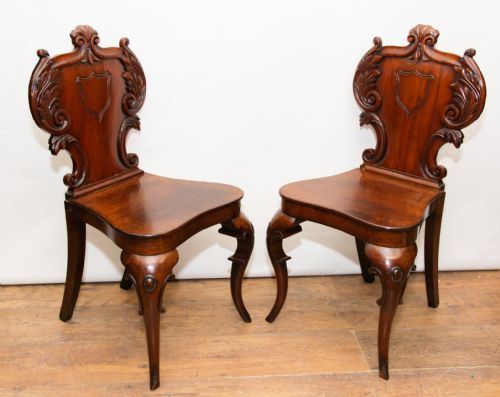
A carved hallway chair greets visitors with architectural timber and heraldic display, bringing period presence to an entrance.
Carved Hallway Chair
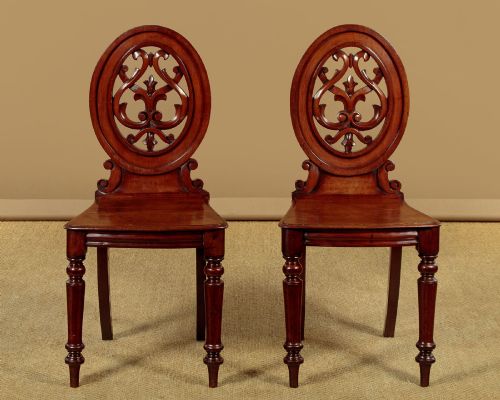
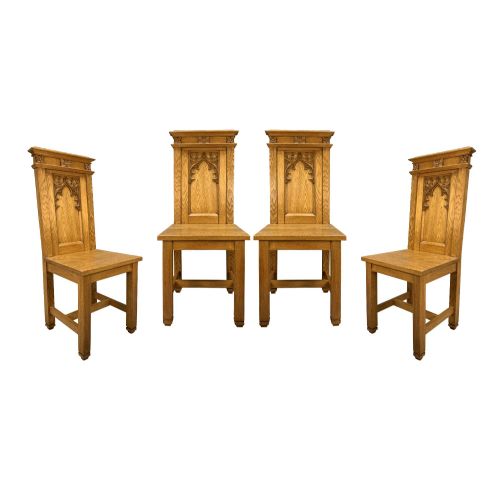
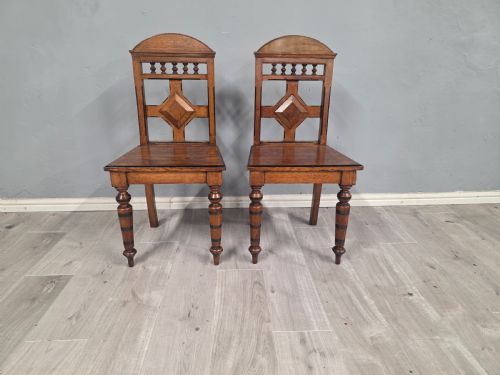
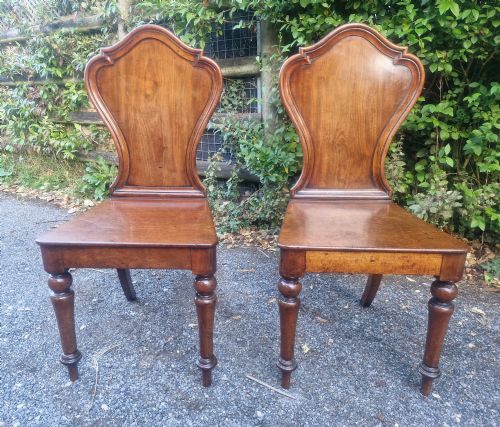
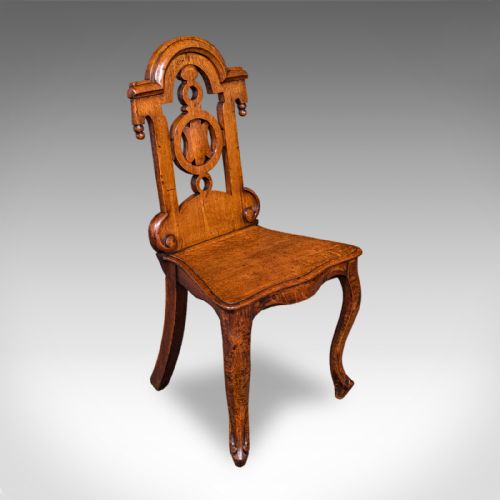
A carved hallway chair sits primarily in an entrance or reception space, serving as a functional seat and a visual statement for arriving guests. The items seen here span the Victorian, Regency, and Georgian periods, alongside various revival movements.
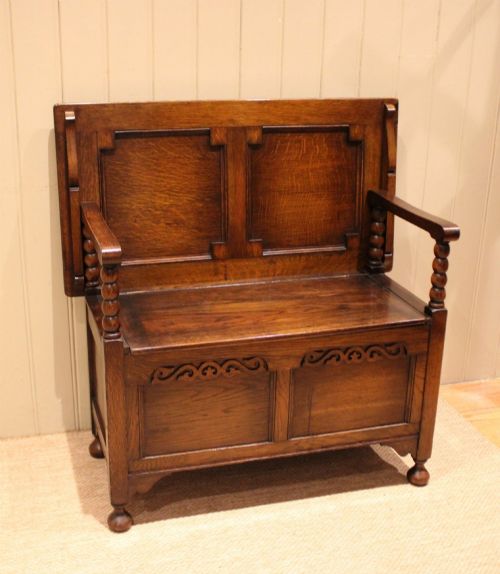
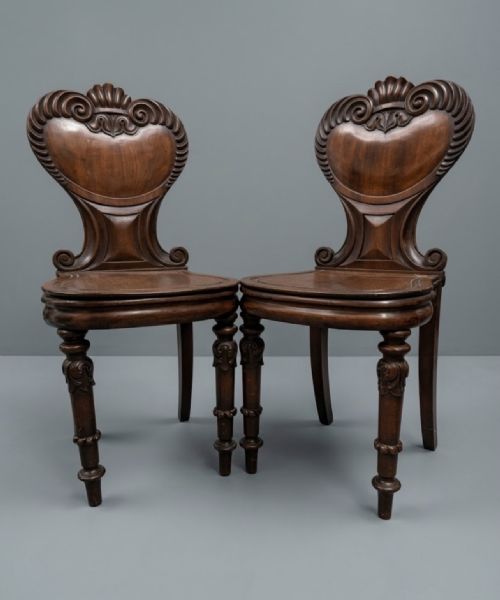
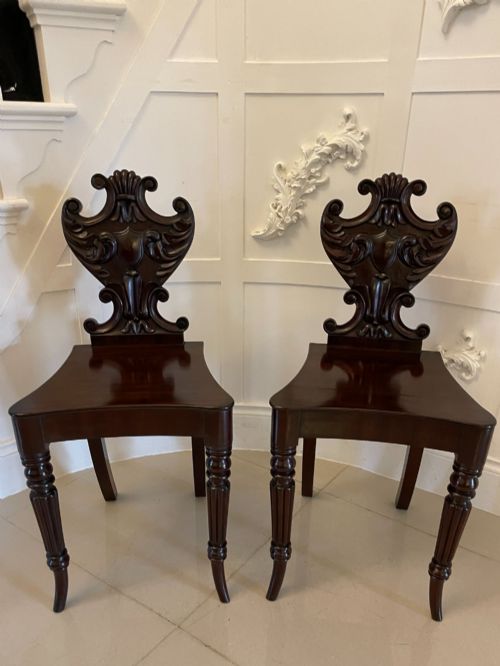
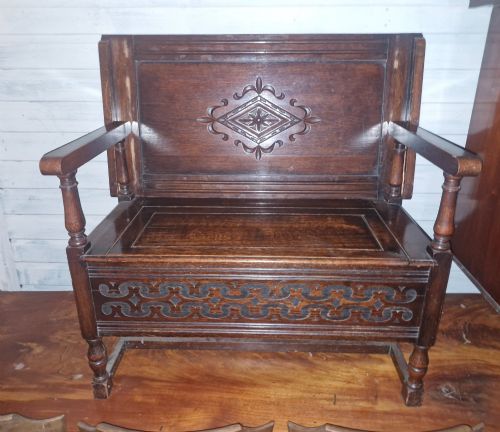
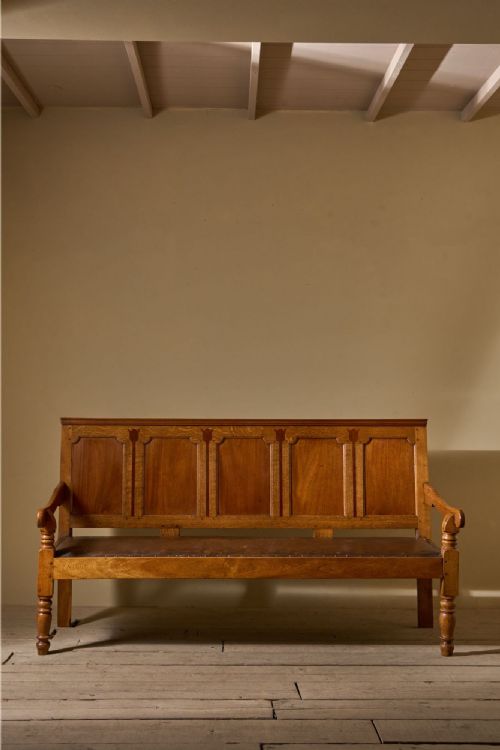
Most examples encountered on this page are constructed from oak or mahogany, often featuring solid wood seats and intricately carved backrests. Forms range from single side chairs and pairs to small benches and settees.
Materials and construction
Makers relied heavily on dense hardwoods such as English oak and mahogany to endure regular use in busy hallways. Selected pieces incorporate secondary details like wood inlay, brass fittings, or leather and fabric elements.
Joinery techniques combined sturdy mortise and tenon frames with deep relief carving on wooden back panels. Heraldic shield backs and shell motifs were shaped directly into the solid timber components.
Carved Hallway Chair Retail Price Guide 2026
Typical asking prices for carved hallway chair among the pieces listed under this phrase on Sellingantiques today, from the lower quarter to the upper quarter. They describe what is for sale here now, not the wider market.
Listings feature oak and mahogany pieces spanning from the eighteenth century through the Edwardian period.
Assessing craftsmanship and design
Quality rests upon the crispness of the carving and the selection of the timber grain. Finer versions exhibit deep, hand-chiselled details on the backrest rather than shallow mechanical stamping.
Proportion and structural integrity distinguish standard utility seating from finer examples commissioned for prominent residences. Matching pairs and sets display consistent timber selection across every chair.
The Carved Hallway Chair Glossary
- Hall chair
- A rigid wooden seat intended for occasional use in an entranceway. These pieces typically lack upholstery and feature prominent wooden or carved backrests.
- Gothic Revival
- A nineteenth century design movement drawing inspiration from medieval architecture. Pieces in this style often display pointed arches and heavy tracery.
- Shield back
- A chair back shaped in the outline of a heraldic shield. This surface frequently holds carved family crests or foliage.
- William IV
- A transitional design period spanning the early nineteenth century. Furniture from this era combines Regency restraint with heavier proportions.
Carved Hallway Chair: Frequently Asked Questions
Where should I place a carved hallway chair?
These seats suit entryways, corridors, and landings where floor space is limited. Their upright posture encourages brief sitting rather than long lounging.
They also function effectively as decorative accent pieces in reception rooms or bedrooms when paired with a small side table.
How do I care for solid oak furniture?
Maintain the timber by dusting regularly with a dry cloth and avoiding placement near direct heat sources. Excessive temperature changes can cause wood to dry and split.
Apply a traditional beeswax polish periodically to nourish the grain and protect the carved surfaces from moisture.
Are these chairs comfortable for daily sitting?
Hallway chairs were historically designed for temporary waiting rather than prolonged relaxation. Most feature solid wooden seats without cushioning.
Their upright backs and rigid construction prioritize architectural presence and durability over soft comfort.
How can I identify a Victorian Gothic piece?
Look for architectural motifs such as quatrefoils, pointed arches, and heavy chamfered edges. Oak is the predominant timber used for this aesthetic.
Makers often incorporated heraldic shields or deep linenfold panels into the backrests during the nineteenth century revival.