

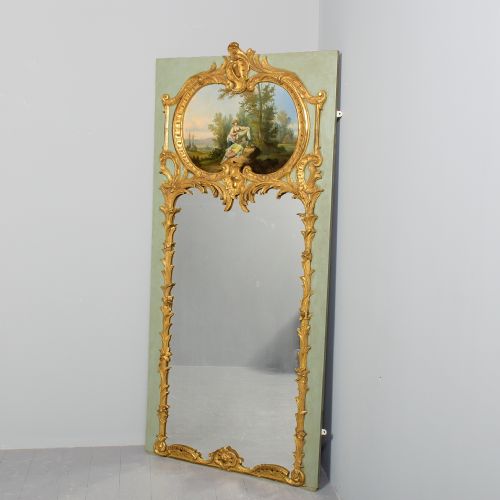
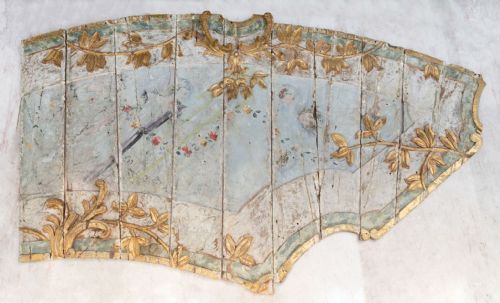
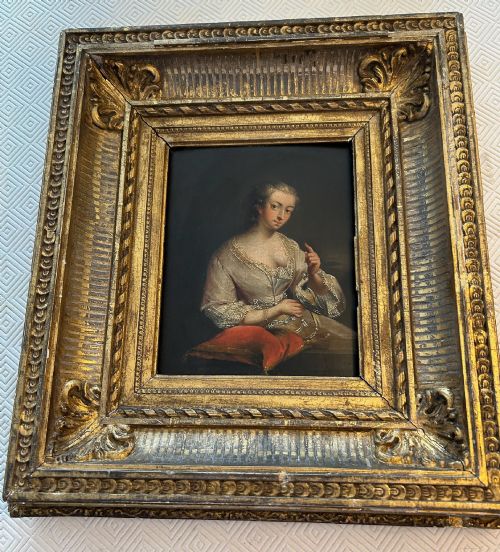


Carved Giltwood Panel
A carved giltwood panel brings warmth and decorative brilliance to a room, catching the light across intricate surfaces.
Carved Giltwood Panel
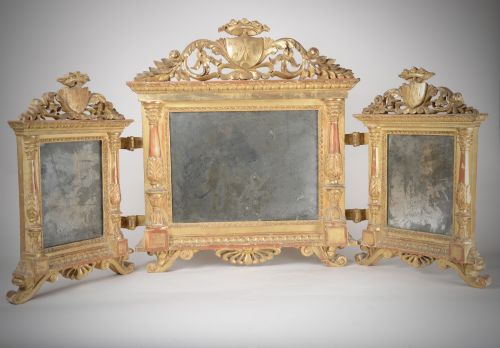
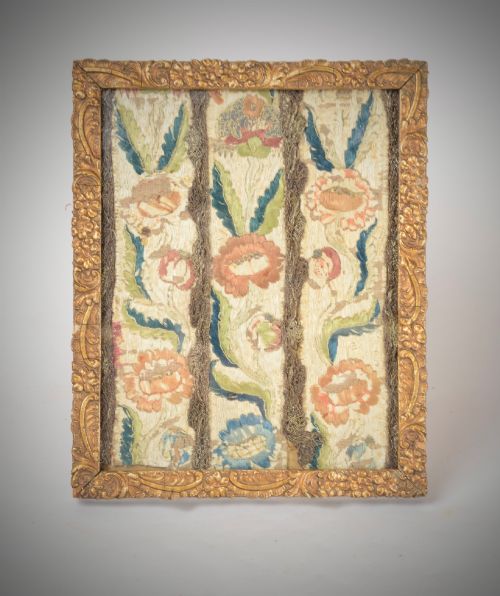
A carved giltwood panel combines detailed wooden relief work with a brilliant metallic finish, taking forms from architectural over-doors to decorative wall elements and folding screens. These pieces emerge from various historical periods, spanning the sixteenth century through the Victorian and Regency eras.
Buyers seeking a carved giltwood panel frequently encounter mirrors integrated into trumeau frames, temple panels from China, and religious group carvings. French and Italian workshops feature prominently among these items, alongside English examples and Chinese craftsmanship.
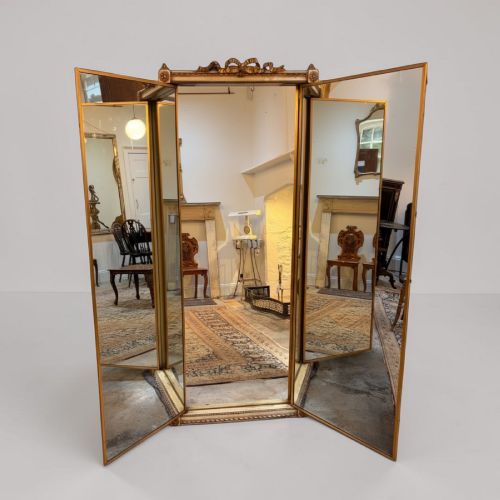
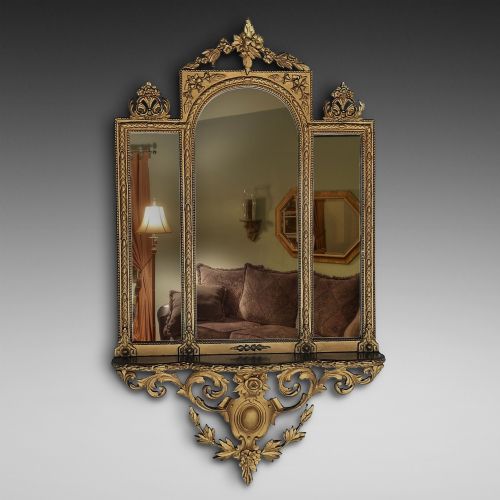
The objects serve multiple decorative functions within an interior, operating as overmantel mirrors, pier mirrors, fire screens, and standalone wall art. Each format displays distinct regional interpretations of classical, baroque, and rococo styles.
Materials and Construction Techniques
Carvers shaped timber substrates, utilising woods such as carved wood and solid panels to form the foundation of each piece. Artisans applied gesso to smooth the surface before laying gold leaf by hand to achieve the characteristic metallic sheen.
Surfaces often incorporate additional elements like reverse-painted glass, oil on canvas, or polychrome pigments alongside the gilding. These combined techniques allowed makers to create depth and textural contrast within the carved decoration.
Carved Giltwood Panel Retail Price Guide 2026
Typical asking prices for carved giltwood panel among the pieces listed under this phrase on Sellingantiques today, from the lower quarter to the upper quarter. They describe what is for sale here now, not the wider market.
Keep an eye out for unexpected wildlife in the carvings, including cheerful ho ho birds and squirrels hiding among the gilded foliage.
Assessing Quality and Execution
The depth and clarity of the carving separate ordinary pieces from exceptional examples, as skilled hands bring figures and foliage to life with distinct dimension. Crisp undercut details demonstrate superior craftsmanship compared to softer, more rounded moulding.
The application of gold leaf and the preservation of the original gesso foundation dictate visual richness over time. Cohesive ageing across the metallic surfaces indicates proper material preparation and historical integrity.
Paul Sormani·Jean-Baptiste van Loo·Joseph Emmanuel Weiser·Balthasar Denner
The Carved Giltwood Panel Glossary
- Giltwood
- Timber that has been coated with gold leaf or powder over a prepared ground. This technique provides a durable and reflective metallic finish to carved architectural elements and frames.
- Gesso
- A plaster-like mixture applied to wooden panels as a base for gilding or painting. It creates a smooth, absorbent surface that holds fine carved details.
- Trumeau
- A decorative wall panel or mirror, frequently positioned above a mantelpiece or between windows. French examples often combine oil paintings or reverse-painted glass with gilt framing.
- Eglomisé
- A process of cold gilding and painting on the rear face of glass. This technique produces a reflective, mirror-like panel with delicate monochrome or coloured designs.
- Polychrome
- The practice of decorating architectural elements, sculptures, or panels in multiple colours. This finish appears frequently on early religious carvings alongside gilt accents.
Carved Giltwood Panel: Frequently Asked Questions
How do I hang a heavy carved giltwood panel?
Secure the piece directly into wall studs using appropriate brackets or mirror plates that match the weight of the timber and glass. Ensure the hanging hardware engages with the structural frame rather than decorative surface elements.
Consult a professional installer if the wall construction requires specialist fixings to support large overmantel mirrors or heavy wooden panels safely.
Where were carved giltwood panels placed historically?
These decorative elements typically occupied prominent positions in formal reception rooms, mounted above fireplaces, between windows as pier mirrors, or incorporated into doorways. Folding screens and pole screens functioned closer to seating areas to deflect radiant heat from fires.
Domestic interiors in France, England, and Italy utilised these pieces to amplify natural light and project status through elaborate craftsmanship.
How can I tell earlier panels from later reproductions?
Examine the reverse of the panel for tool marks, timber shrinkage, and historical construction methods appropriate to the stated period. Hand-carved details display subtle irregularities that differentiate them from mechanical production.
Check the composition of the gesso and the wear patterns on the gold leaf, as genuine age reveals a soft integration of materials over centuries.