

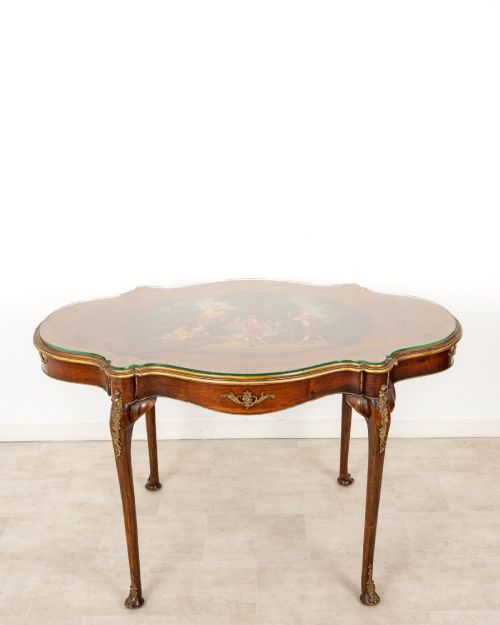
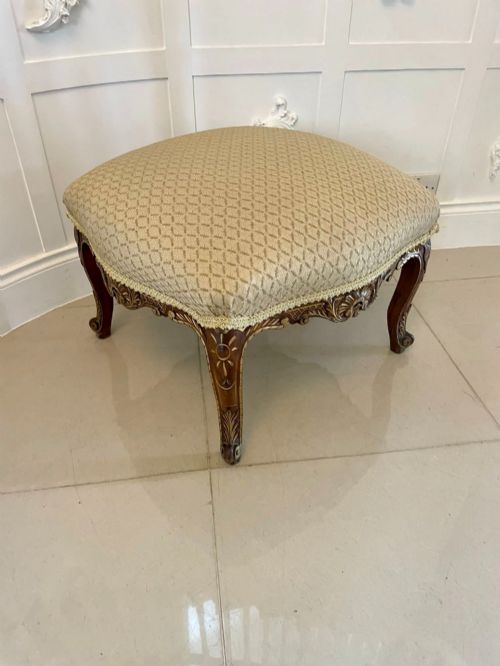
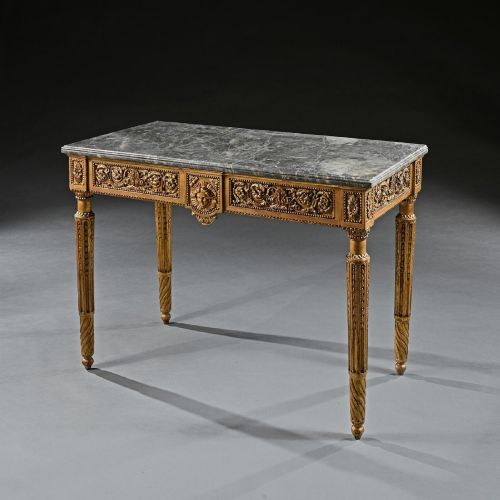
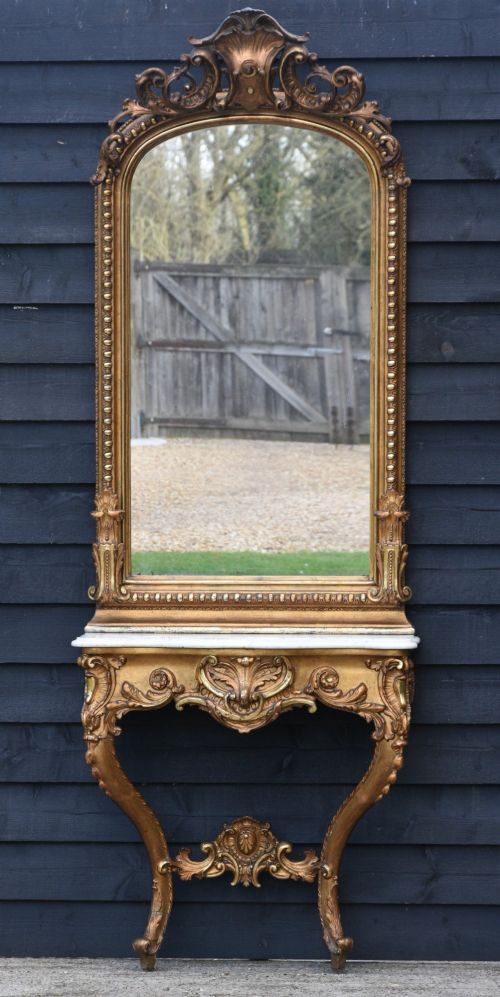
Carved Gilt Wood Table
A carved gilt wood table brings rich texture and historic presence to a room through gilded surfaces and sculpted wooden forms.
Carved Gilt Wood Table
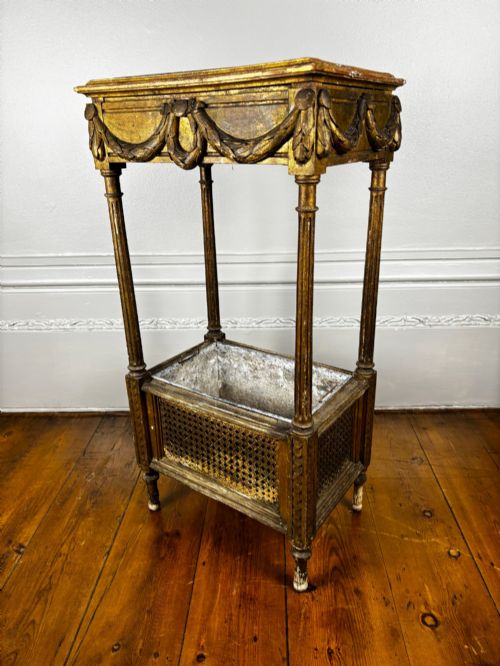
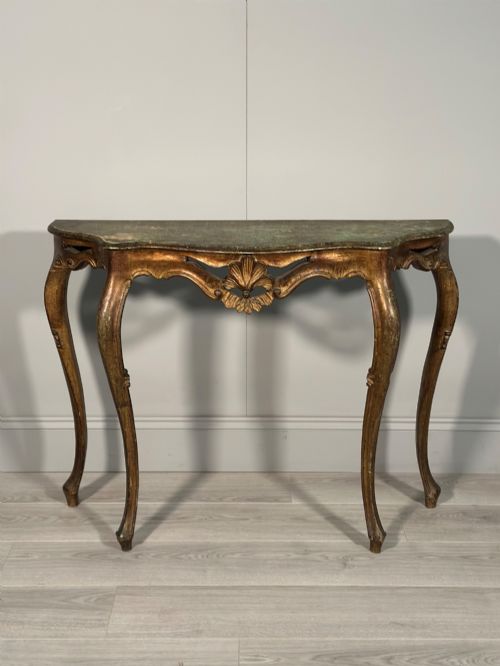
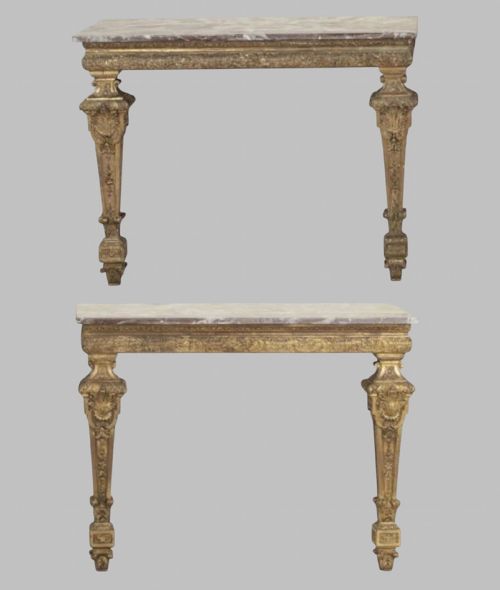
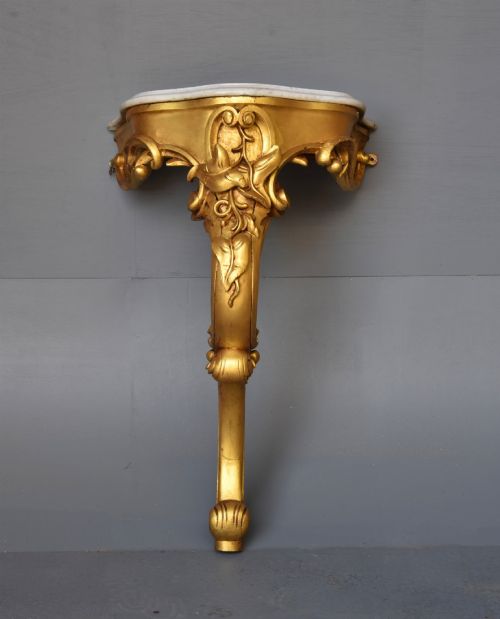
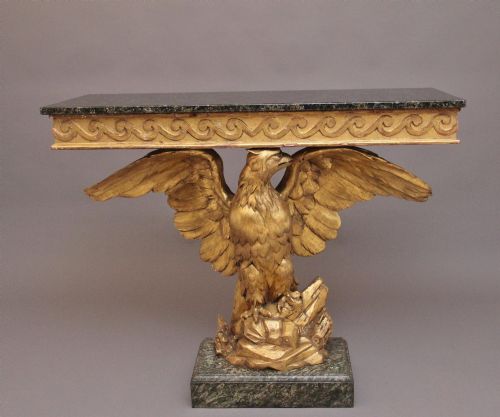
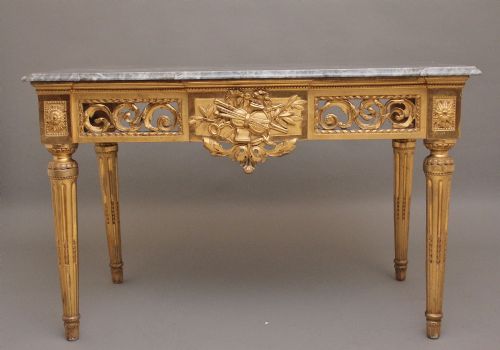
A carved gilt wood table typically manifests as an ornate console table designed to sit against a wall, frequently paired with a marble top. These pieces appear across the eighteenth and nineteenth centuries, drawing on Italian and French stylistic traditions such as Rococo and Neoclassical.
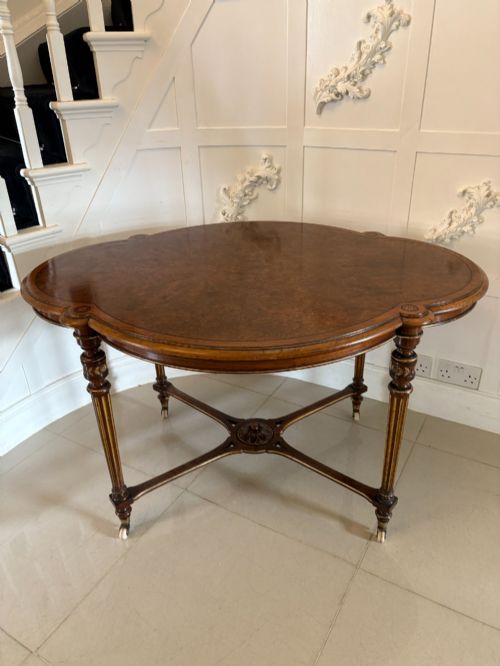
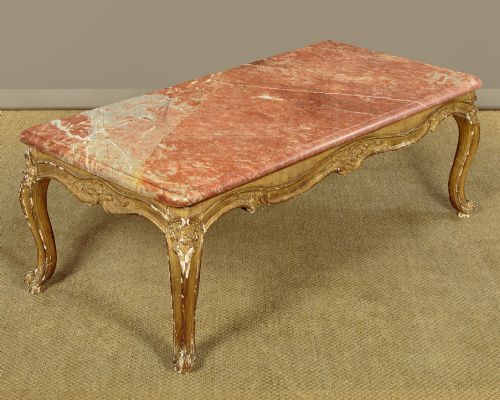
Beyond console tables, the selection includes coffee tables, occasional tables, and centre tables that utilise similar gilded finishes and carved wooden structures. Smaller supporting pieces like bedside cabinets and table lamps also incorporate gilt wood elements.
Originating largely from Italian and French workshops, these tables range from eighteenth-century architectural consoles to later revival pieces from the Victorian era and the early twentieth century. Buyers encounter both grand scaled items with lion's paw supports and more modest side tables.
How they were made
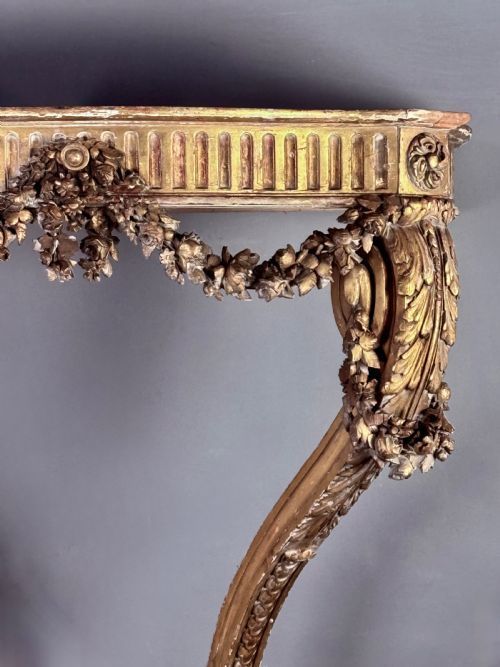
Cabinetmakers shaped the primary structure using timber such as pine, oak, or walnut, applying deep relief carving to create scrolls, foliage, and figural details. Gesso was frequently layered over the wood to provide a smooth, resilient ground for subsequent gilding.
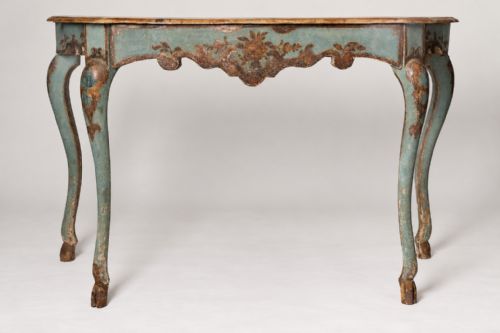
Artisans applied thin sheets of gold leaf or silver gilt onto the prepared surface, securing the metal with size and burnishing it to achieve a reflective sheen. Certain pieces utilise painted wood combined with parcel gilt highlights rather than full gilding.
Many console tables incorporate heavy stone surfaces, requiring sturdy timber subframes to support rouge, breccia, or figured marble tops. Ormolu mounts, brass details, and mirrored elements occasionally supplement the carved wooden framework.
Carved Gilt Wood Table Retail Price Guide 2026
Typical asking prices for carved gilt wood table among the pieces listed under this phrase on Sellingantiques today, from the lower quarter to the upper quarter. They describe what is for sale here now, not the wider market.
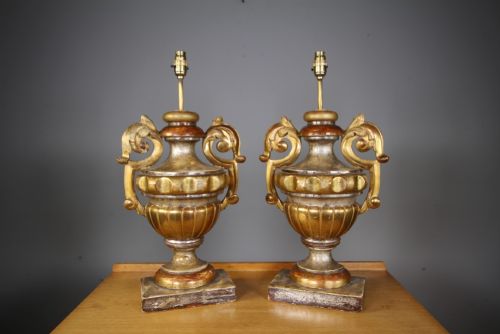
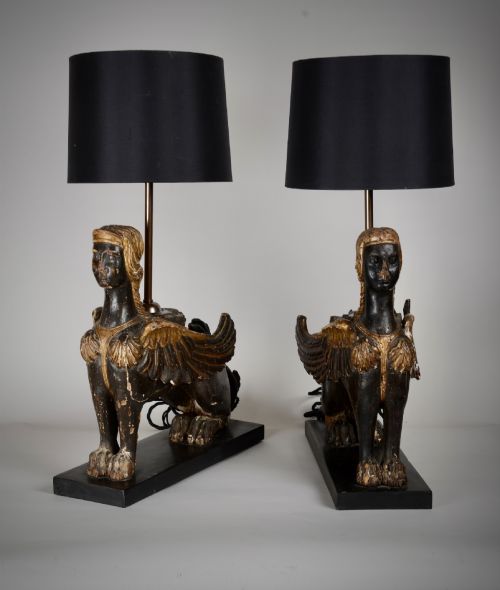
Sphinx lamp conversions stand ready to watch over the room with silent, mythological vigilance.
What varies in quality
The depth and crispness of the wood carving distinguish superior examples from simpler production, particularly in the hand-chiselled details of acanthus leaves, scrollwork, and figurative motifs. Workshops employing master carvers achieved greater dimensionality and fluid movement across the wooden frame.
The integrity and application of the gilding layer dictate the visual richness of the object, with burnished gold leaf possessing a warmer, more nuanced reflection than flat modern paints. The survival of the original gilding and gesso foundation without extensive overpainting preserves the historical character of the piece.
The quality of the associated marble top, such as figured breccia or rouge varieties, and its precise fit to the console base indicate the original investment in materials. Heavier, well-balanced stone slabs secured to robustly constructed timber frames represent higher-tier craftsmanship.
Felix-Alfred Ternisien·François Linke
The Carved Gilt Wood Table Glossary
- Giltwood
- Timber that has been coated with gold leaf or metal leaf over a prepared base. This finish provides the characteristic metallic brilliance seen on antique frames and console tables.
- Console table
- A table supported by wall brackets or console legs, designed to stand flat against a wall. They frequently feature decorative aprons and marble tops.
- Gesso
- A plaster-like mixture applied to wood surfaces as a smooth foundation for gilding. It allows carvers to refine fine details before the metal leaf is laid down.
- Neoclassical
- A design style inspired by classical Greece and Rome that emphasises symmetry, restraint, and classical motifs. It succeeded the more flowing curves of the Rococo period.
- Rouge marble
- A deep red, variegated limestone often quarried in France and utilised for decorative furniture tops. Its complex natural veining complements gilded wooden bases.
Carved Gilt Wood Table: Frequently Asked Questions
Where should I place a console table?
Console tables sit flush against a wall in hallways, reception rooms, or dining spaces where floor space is limited. Their narrow profile allows them to serve as display surfaces without obstructing pathways.
Pairing a console table with a matching pier mirror or placing a striking lamp on top creates a balanced focal point within an interior scheme.
How do I care for gilt wood surfaces?
Gilt wood requires gentle treatment to protect the thin layer of gold leaf and the underlying gesso from physical damage or moisture. Dusting should be performed softly with a dry, lint-free cloth without applying chemical cleaning agents.
Avoiding direct sunlight and excessive humidity prevents the wooden substrate from expanding and protects the historic metallic finish from flaking.
Are marble tops original to these tables?
Many antique console tables were designed specifically to carry heavy marble slabs, which provided a stable and luxurious surface. The stone was typically cut to follow the exact contours of the wooden frame beneath.
When examining a table, check that the marble rests securely within the wooden rebate and matches the period and weight of the base structure.
How do I distinguish Rococo from Neoclassical styles?
Rococo pieces feature asymmetric C-scrolls, shell motifs, and exuberant, flowing lines that create a sense of organic movement. The carving is deeply sculptural and avoids rigid symmetry.
Neoclassical pieces rely on straight lines, classical columns, urns, and balanced geometric arrangements. This later style reflects a turn towards orderly proportion inspired by antiquity.