




Carved Garden Ornament
Carved garden ornament pieces bring centuries of classical form, weathered stone, and grounded sculpture to open lawns and terrace borders.
Carved Garden Ornament
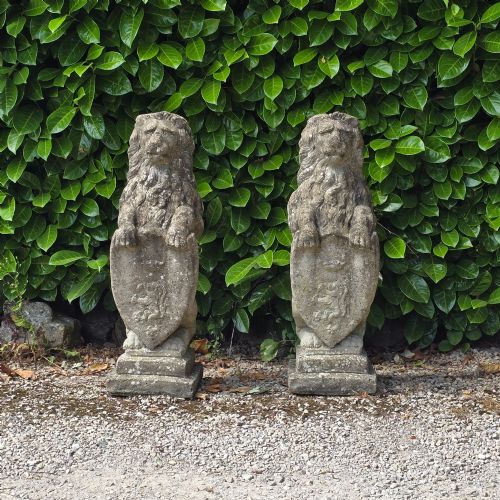
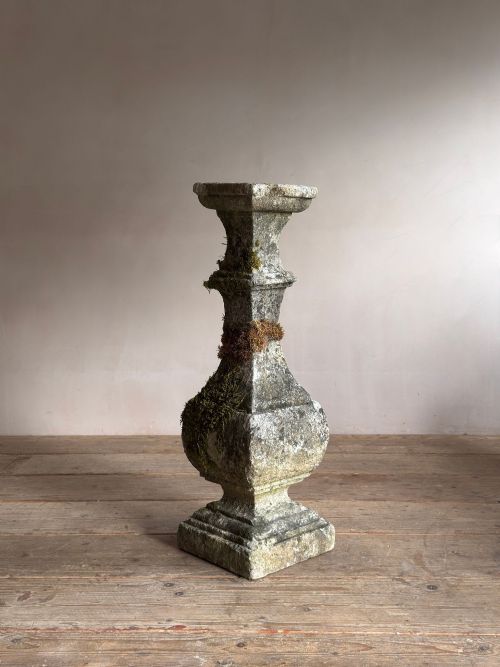
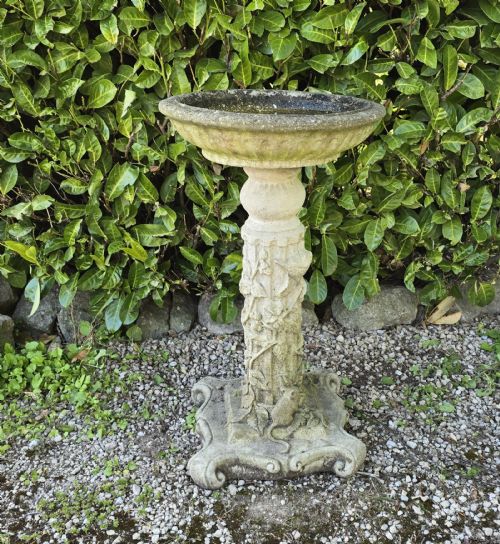
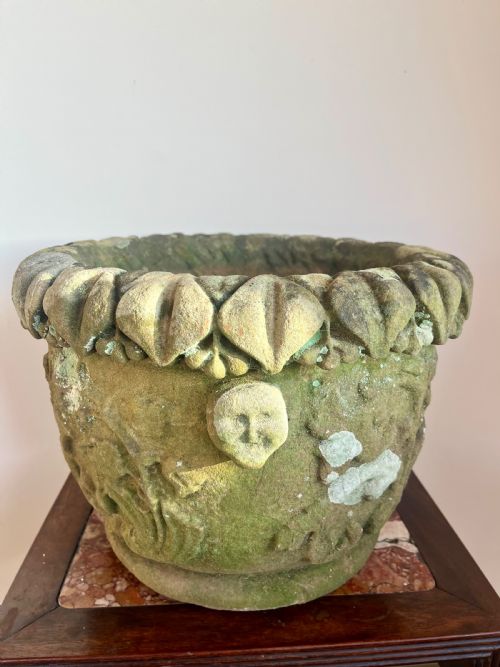
A carved garden ornament selection spans centuries of architectural salvage, sturdy staddle stones, and classical campana urns designed to weather outdoors. Buyers searching for a carved garden ornament encounter sturdy granite staddle stones, substantial limestone planters, and sculpted marble lions originating from Georgian, Victorian, and later periods.
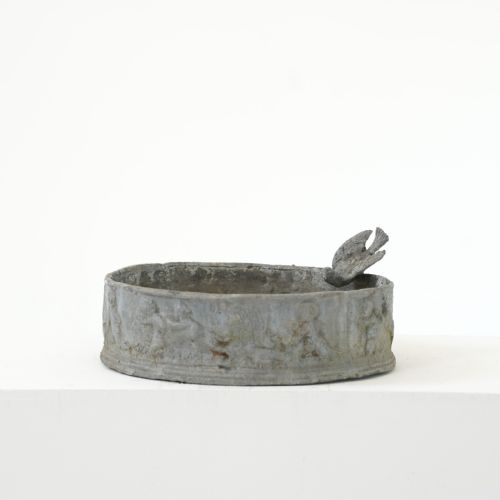
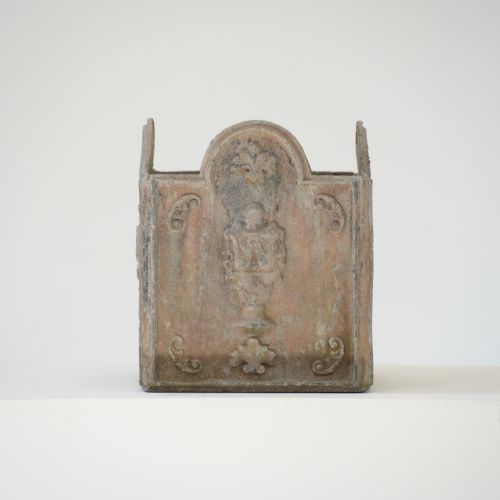
The objects on this page range from utilitarian staddle stones and mill stones to decorative lead planters, terracotta vessels, and Gothic pinnacles. Many pieces show deep weathering, moss growth, and decades of exposure that transform raw stone and metal into landscape centerpieces.
Materials and construction
Masonry and sculptural works rely on hard-wearing materials like Cornish granite, Purbeck stone, sandstone, York stone, and solid marble carved by hand. Cast stone, reconstituted stone, and salt-glazed ceramics offer moulded alternatives, while lead is cast into detailed planters and bird baths.
Masons utilised chisels and hand tools to shape architectural fragments, finials, and animal figures from natural blocks. Weathering occurs naturally over decades as rain, frost, and moss interact with the exposed surfaces of the stone and metal.
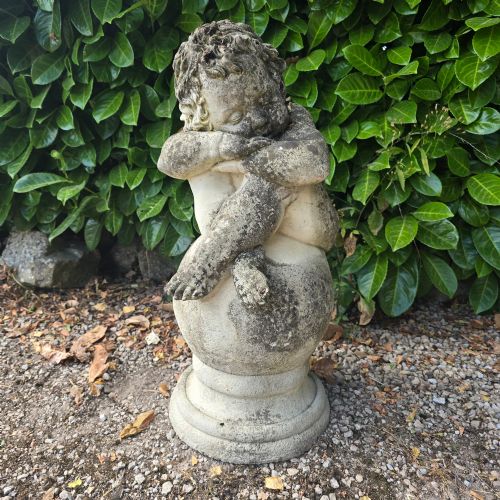
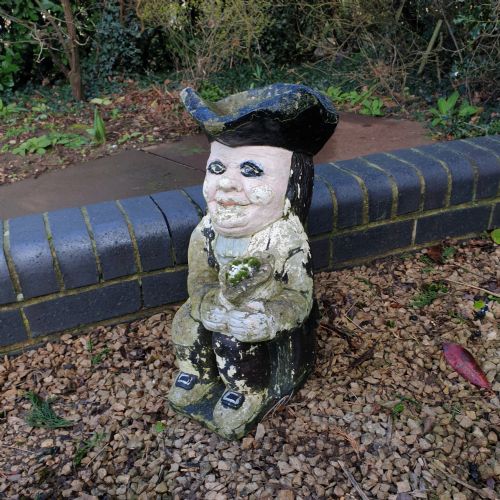
Several pieces carry the quiet dignity of a weathered sleeping cherub, an 18th-century garden Toby, or monumental stone lions keeping watch over the grass.
Judging quality and character
Quality rests in the depth of the hand carving, the integrity of the material, and the authenticity of the weathering. Sharp chisel work on early stone figures and balanced proportions on campana urns separate master craftsmanship from standard utility pieces.
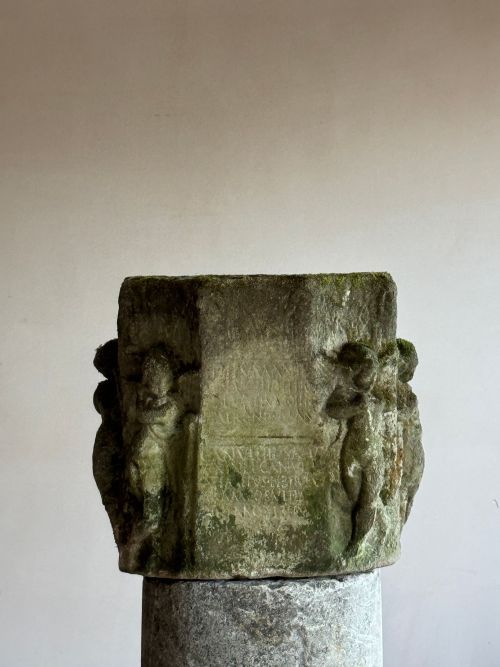
Provenance and original architectural context add substantial interest, particularly when items originate from ecclesiastical buildings or historic estates. Natural patination from moss and age enhances visual depth without compromising the structural soundness of the granite, sandstone, or marble.
The Carved Garden Ornament Glossary
- Staddle stone
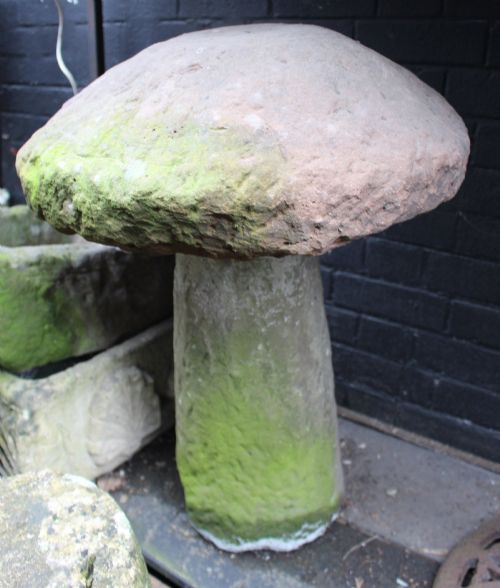
- A mushroom-shaped stone support originally used to elevate granaries above damp ground and deter vermin. These architectural elements now serve as popular garden ornaments.
- Campana urn
- A bell-shaped garden vessel on a pedestal, frequently rendered in stone, terracotta, or cast metal. Classical revival styles often feature this graceful silhouette.
- Architectural salvage
- Elements rescued from older buildings, ranging from Gothic pinnacles and keystones to carved stone baskets and finials. These pieces bring historic integrity to modern gardens.
- Reconstituted stone
- A manufactured material made from crushed natural stone and a binder, moulded into ornaments and planters. It replicates the appearance of quarried stone.
Carved Garden Ornament: Frequently Asked Questions
How do I care for antique stone ornaments?
Natural stone pieces withstand outdoor elements well, though severe frost can sometimes affect porous materials over time. Regular gentle cleaning preserves accumulated moss and patination without damaging the surface.
Positioning heavy items on stable, level ground prevents shifting or sinking into soil during wet winter months.
What are staddle stones used for today?
While originally designed to support agricultural granary buildings and keep grain dry, staddle stones now function purely as decorative garden ornaments. Gardeners arrange them singly or in pairs across lawns and borders to add sculptural height.
Their distinctive mushroom shape provides a rustic focal point that complements both traditional and contemporary planting schemes.
How can I tell the age of a garden ornament?
Age is indicated by the tool marks left by the mason, the geological type of stone, and the depth of the natural weathering. Hand-carved details from earlier centuries differ noticeably in execution from later cast or moulded reproductions.
Documented provenance, such as pieces salvaged from historic minsters or country estates, also helps establish a clear timeline.
Where should I place large stone urns?
Large campana and terracotta urns look best anchored near structural points like terrace corners, formal pathways, or flanking garden entrances. Their substantial weight requires a flat, solid foundation of paving or compacted gravel.
Pairing matching urns creates visual symmetry in formal garden layouts.