

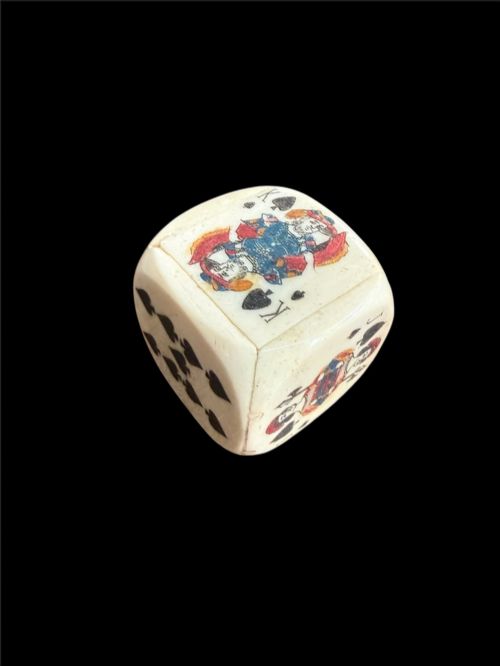


Carved Gaming Pieces
These carved gaming pieces bring tactile warmth to any table, offering miniature craftsmanship from the nineteenth and early twentieth centuries.
Carved Gaming Pieces
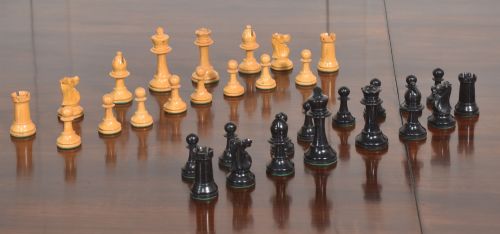
Carved gaming pieces encompass tactile elements for tabletop pastimes, ranging from complete chess sets and dominoes to backgammon counters and dice shakers. When exploring carved gaming pieces, the most frequent encounters involve nineteenth-century boxwood and ebony chess sets adhering to the Staunton pattern, alongside bone sets shaped during the Napoleonic era.
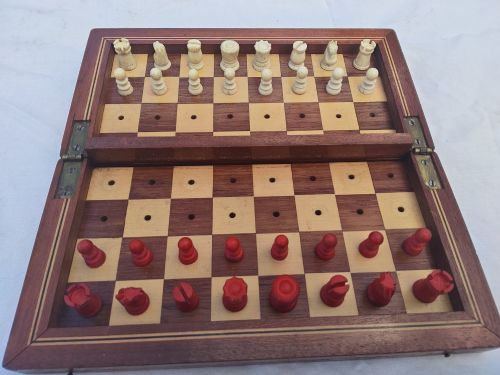
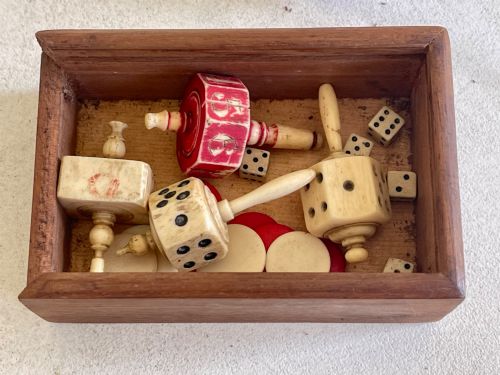
The selection extends to specialised formats such as miniature chess sets, Whittington patterns, Calvert patterns, and English folk art dice shakers housed in period boxes. These objects originate from Victorian parlours and Edwardian drawing rooms, often accompanied by travelling boards or comprehensive compendiums.
How they were made
Artisans utilised dense timbers such as boxwood, ebony, rosewood, and mahogany, turning them on lathes and hand-carving intricate details like knight heads and rook turrets. Bone was also widely employed, particularly by prisoners of war who patiently carved teetotums, dominoes, and simple chess pieces using rudimentary tools.
Contrasting colours were achieved naturally through the pairing of pale woods with dark ebonised wood or ebony, while weighted sets incorporated internal lead or brass components for stability during play.
Carved Gaming Pieces Retail Price Guide 2026
Typical asking prices for carved gaming pieces among the pieces listed under this phrase on Sellingantiques today, from the lower quarter to the upper quarter. They describe what is for sale here now, not the wider market.
What varies in quality
The distinction between ordinary and exceptional sets rests entirely on the precision of the carving, particularly in the individuality and expression found on knight pieces. Superior examples display crisp, uniform turning across every piece, balanced weighting, and the original maker stamps or designated patterns.
Material choice and survival in complete, matching condition further elevate a set, distinguishing utilitarian workshop output from master-carved productions intended for serious libraries and drawing rooms.
Jaques·F. H. Ayres·British Chess Company·Calvert Pattern
The Carved Gaming Pieces Glossary
- Staunton pattern
- The standard design for chess pieces introduced in the mid-nineteenth century, characterised by architectural pieces and a horse head knight. It remains the most widely recognised style for competitive and casual play.
- Prisoner of war
- Term describing objects carved by captive soldiers during the Napoleonic conflicts, typically fashioned from salvaged bone. These items display distinctive hand-carved traits born of resourceful isolation.
- Teetotum
- A multi-sided spinning top used for gambling or children's games, frequently found among bone collections from the nineteenth century. Players spun the top to reveal marked sides that dictated the outcome of a wager.
- Compendium
- A multi-game box housing various pastimes such as chess, backgammon, and draughts within a single fitted cabinet. These portable libraries offered varied entertainment for travellers and Victorian households.
Carved Gaming Pieces: Frequently Asked Questions
How do I identify a Staunton chess set?
Look for standardised architectural forms where pawns feature a rounded collar, rooks resemble castle turrets, and kings wear coronets. The knight is almost universally depicted as a carved horse head.
These design conventions were established in the nineteenth century to ensure uniformity during competitive play, replacing the varied English and continental styles that came before.
What are prisoner of war pieces made from?
These historical items are predominantly carved from animal bone or beef shin scraps sourced from prison rations. Captive soldiers utilised makeshift tools to shape intricate dominoes, teetotums, and miniature sets.
Their work reflects remarkable patience and resourcefulness, turning spare moments into enduring folk art.
How should I display antique gaming pieces?
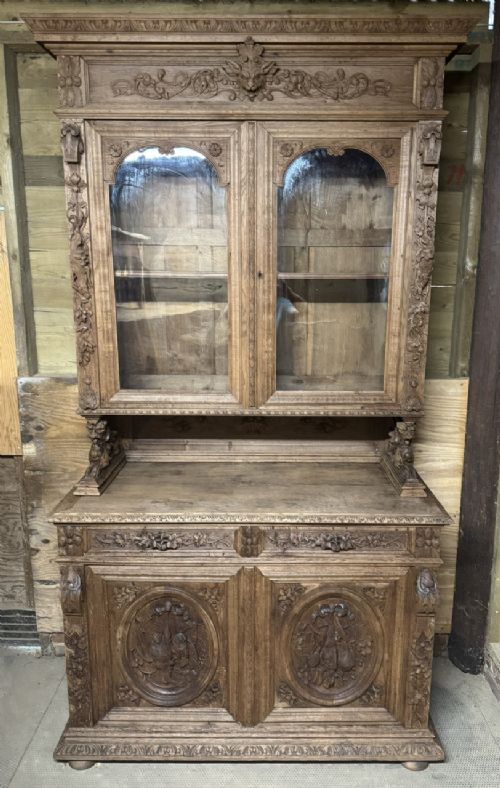
Display these pieces on a compatible period board or inside a glass-fronted cabinet away from direct sunlight. Keeping sets complete and arranged on a suitable surface protects them from loss and damage.
Many collectors prefer to store them in their original fitted boxes or compendiums to preserve the interior linings and prevent wood splitting.