



Carved Fruitwood Table
A carved fruitwood table brings warmth and rich grain to a room, offering robust utility in forms ranging from rustic country pieces to refined Georgian lowboys.
Carved Fruitwood Table
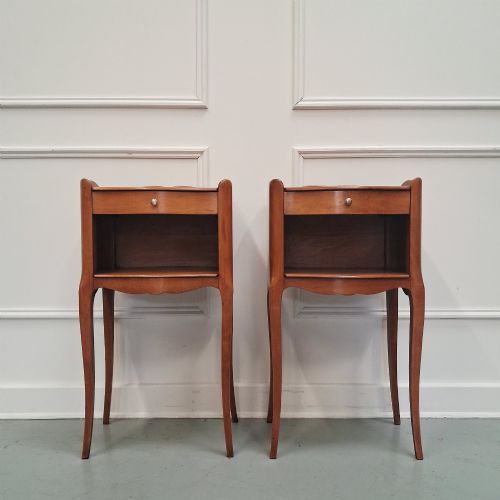
When you search for a carved fruitwood table, you encounter diverse domestic forms spanning the eighteenth and nineteenth centuries. The examples here include side tables, dining tables, coffee tables, bedside tables, cheese coasters, and centre tables.
The most common versions on this page are French provincial and Georgian items, reflecting the enduring appeal of regional craftsmanship. Makers utilised fruitwood alongside walnut, oak, and brass to create functional furniture with distinctive character.
Originating from British, French, Spanish, and African traditions, these items range from rustic country designs to baroque styles. Each piece demonstrates how dense, workable fruitwoods were shaped into durable household furnishings.
How they were made
Carpenters constructed these tables using dense fruitwood timber, frequently pairing it with oak or walnut for structural stability and contrast. Wood inlay and intricate parquetry decorated the surfaces of finer French and English examples.
Craftsmen shaped cabriole legs and trestle supports by hand, incorporating wrought iron and brass hardware for reinforcement and detail. Surface carving emphasised the natural grain and warm tone of the primary wood.
Carved Fruitwood Table Retail Price Guide 2026
Typical asking prices for carved fruitwood table among the pieces listed under this phrase on Sellingantiques today, from the lower quarter to the upper quarter. They describe what is for sale here now, not the wider market.
Listings span the eighteenth century, nineteenth century, and nineteen-thirty, incorporating styles from French provincial to African tribal.
What varies in quality
Quality rests upon the crispness of the hand carving and the precision of any wood inlay or parquetry work. Better examples maintain structural integrity alongside well-preserved timber surfaces.
The sophistication of the design sets finer pieces apart, moving from basic rustic country forms to elaborate Spanish baroque or George II styles. Selection of timber also dictates standard, with superior pieces showing harmonious grain matching.
The Carved Fruitwood Table Glossary
- Fruitwood
- Timber sourced from fruit-bearing trees such as pear, apple, or cherry. It provides a dense, fine-grained surface that accepts carving and polish exceptionally well.
- Parquetry
- Geometric patterns formed by small pieces of wood fitted together on a tabletop. This technique creates decorative surfaces on French provincial furniture.
- Lowboy
- A small seventeenth or eighteenth-century dressing table or side table featuring drawers and cabriole legs. These items often combine fruitwood and oak.
- Cheese coaster
- A small serving trolley or tray fitted with wheels or rollers for moving across dining tables. Georgian examples demonstrate specialised dining room utility.
- Cabriole leg
- A furniture leg that curves out and then in, resembling an animal's leg in motion. It appears frequently on Georgian and provincial tables.
Carved Fruitwood Table: Frequently Asked Questions
How do I clean a carved fruitwood table?
Dust the surface regularly with a soft, dry cloth to prevent dirt accumulation in the carved recesses. Avoid harsh chemical cleaners that strip the historic finish.
Apply a microcrystalline wax occasionally to nourish the timber and protect the fruitwood grain. Keep the table away from direct heat sources to prevent the wood from splitting.
Can I use a fruitwood table daily?
These tables served practical domestic roles for centuries and withstand normal everyday use. Use coasters and placemats to protect antique surfaces from moisture and heat damage.
Place the furniture out of direct sunlight to preserve the rich colour of the fruitwood. Regular gentle use helps maintain the patina built up over generations.
What is the difference between Georgian and provincial tables?
Georgian tables often follow formal English design rules with refined proportions and classical carving motifs. They tend to showcase balanced compositions suited to formal interiors.
Provincial tables reflect regional European traditions with simpler, sturdier construction and rustic charm. Their decoration is typically less formal and focuses on practical utility.