











Carved Frame Painting
When you search for a carved frame painting, you encounter centuries of portraiture and landscape set within ornate wooden surrounds.
Carved Frame Painting
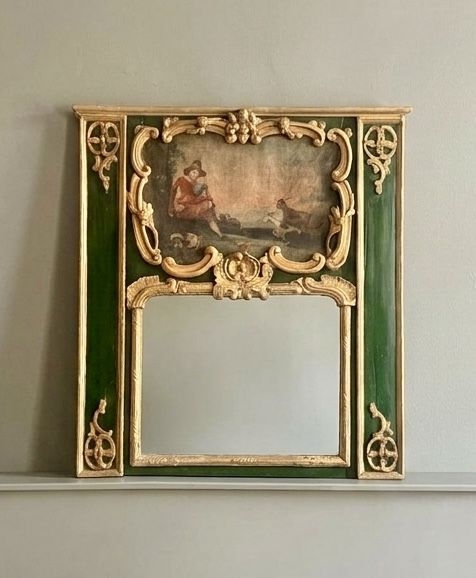
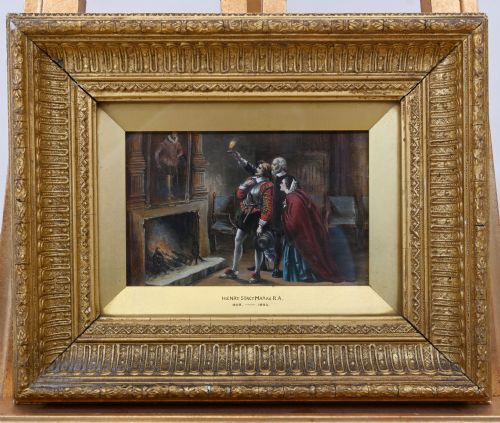
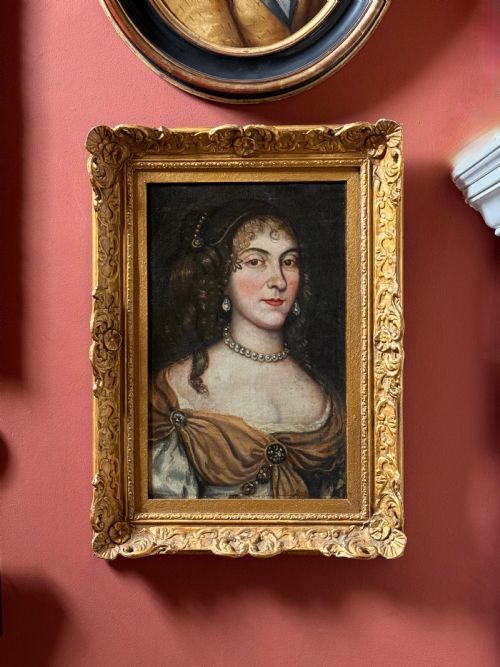
A carved frame painting combines historic canvas artwork with sculptural wooden surrounds originating from periods spanning the seventeenth century through to the twentieth century. Buyers seeking these works typically encounter oil on canvas portraits depicting nobility, gentlemen, and ladies, often accompanied by matching wall mirrors or decorative furnishings.
The selections on this page heavily feature seventeenth-century and eighteenth-century British and European portraiture alongside later nineteenth-century interpretations. Alongside traditional oil paintings, the category encompasses related decorative objects such as overmantel mirrors and salon chairs sharing matching carved aesthetics.
Materials and Techniques
These works rely on oil paint applied to woven canvas substrates, housed within hand-carved wooden structures fashioned from timber. Artisans applied layers of gesso as a smooth base for subsequent gilding with gold leaf or painting.
Makers utilised traditional joinery and carving tools to build deep hollow frames, incorporating fluted details and elaborate crests. Surface finishes frequently combine burnished gold leaf with painted or polished wood elements.
Carved Frame Painting Retail Price Guide 2026
Typical asking prices for carved frame painting among the pieces listed under this phrase on Sellingantiques today, from the lower quarter to the upper quarter. They describe what is for sale here now, not the wider market.
The selection includes British Baroque, Dutch Golden Age, and Louis XV Revival styles alongside folk art and naive paintings.
Evaluating Quality
The distinction between tiers of work rests upon the precision of the carver's hand and the fidelity of the portraiture. Superior examples display crisp definition in the wooden ornamentation and accomplished brushwork on the canvas.
Harmony between the artwork and its enclosure dictates overall merit. Finer pieces retain their original gilded surfaces and contemporary frames rather than later marriages of convenience.
Michiel van Musscher·Sir Godfrey Kneller·Joseph Vivienne·Charles Jervas·Sir Peter Lely·Benjamin Barker of Bath·Jeremiah Davison·Mary Beale
The Carved Frame Painting Glossary
- Giltwood
- Wood carved and coated with thin layers of gold leaf or powder. This finish provides the characteristic reflective brilliance seen on historic surrounds.
- Gesso
- A plaster mix applied to wood frames to create a smooth surface before gilding. It allows craftsmen to carve intricate relief details cleanly.
- Oil on Canvas
- Pigments suspended in a drying oil medium applied to a stretched fabric support. This technique defined European painting from the Renaissance onwards.
- Baroque
- An artistic style characterised by dramatic movement and exuberant ornamentation. It heavily influences the deep, sculptural framing of seventeenth-century portraits.
Carved Frame Painting: Frequently Asked Questions
What is a carved frame painting?
A carved frame painting is an artwork, typically an oil portrait on canvas, presented within a heavily ornamented and sculpted wooden border. These pieces combine historic painting traditions with elaborate frame craftsmanship from various European periods.
Buyers select them to anchor a room's decor, drawing on centuries of portraiture ranging from the seventeenth century to the early twentieth century.
Are the frames original to the paintings?
Many historic paintings retain their original or contemporary surrounds, which were specifically chosen or commissioned to complement the artwork. However, some pieces brought together frames and canvases from similar eras during their long histories.
Examining the fit, wear patterns, and mounting techniques helps determine the relationship between the canvas and its wooden housing.
How should I care for a giltwood frame?
Giltwood frames require gentle maintenance to preserve their delicate gold leaf and gesso surfaces. Dust them very carefully with a soft, dry brush, avoiding any moisture or chemical cleaning agents.
Keep the artwork away from direct sunlight and dramatic fluctuations in temperature or humidity to protect both the canvas and the carved timber.
How do I identify the period of a frame?
Frame periods are identified by studying the depth of the carving, the profile styles such as fluted hollows, and the composition of the underlying gesso. Stylistic markers from Baroque, Georgian, or later revival periods guide the dating process.
Comparing the construction methods of the wooden corners and rabbet joints further clarifies the age of the piece.