



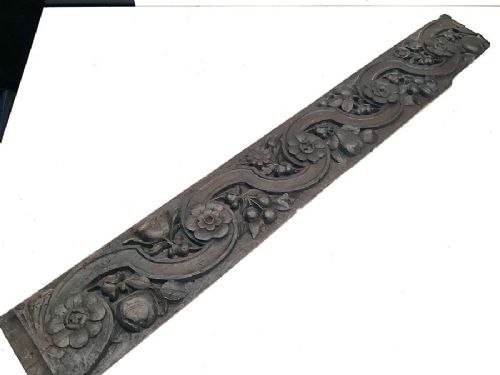


Carved Floral Panel
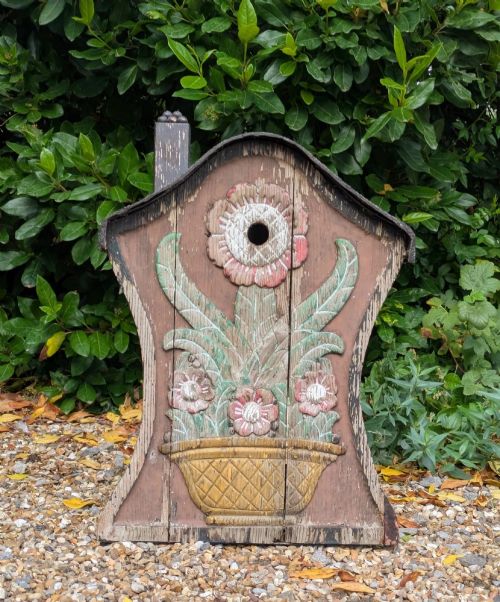
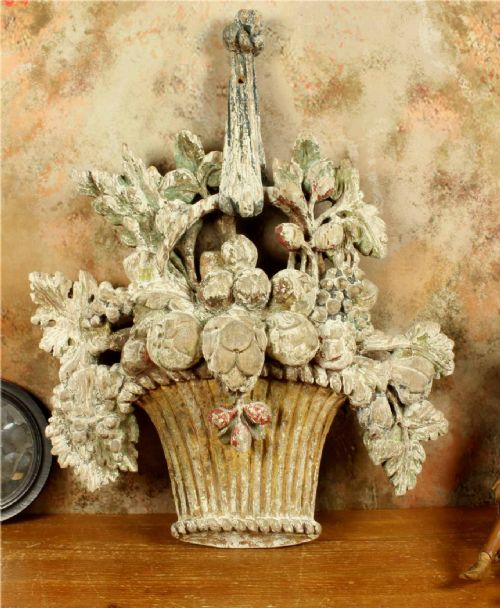
A carved floral panel brings texture and botanical detail to an interior, drawn from centuries of woodwork and architectural salvage.
Carved Floral Panel
A carved floral panel represents a distinct tradition of decorative woodwork, appearing across multiple eras from the sixteenth century onward.
Buyers searching for a carved floral panel most frequently encounter sixteenth, seventeenth, and eighteenth-century oak examples, alongside later nineteenth-century decorative pieces.
These items originate as architectural fragments, coffer components, door inserts, or standalone wall reliefs showing botanical motifs.
Materials and technique
Makers shaped these panels primarily from native hardwoods such as English oak, walnut, and limewood, utilising hand chisels to build relief depth.
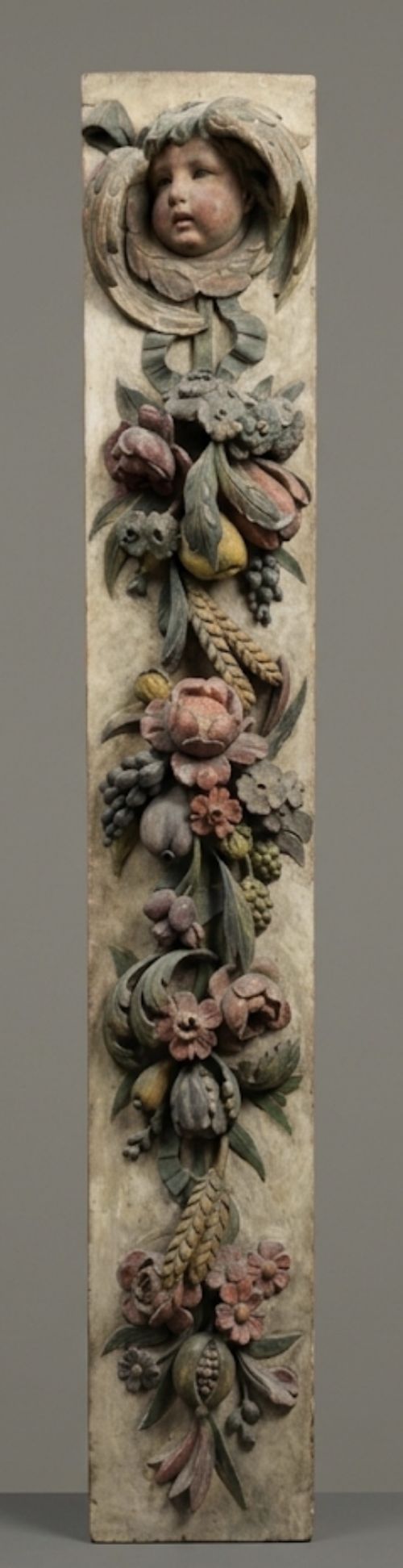
Surfaces often show the tool marks of traditional hand carving, occasionally enhanced with polychrome paint, giltwood, or dark wax finishes.
Carved Floral Panel Retail Price Guide 2026
Typical asking prices for carved floral panel among the pieces listed under this phrase on Sellingantiques today, from the lower quarter to the upper quarter. They describe what is for sale here now, not the wider market.
Some seventeenth-century carvers hid whimsical faces among the leaves.
Evaluating the carving
Depth of relief and sharpness of the chisel work distinguish standard joinery from exceptional sculptural carving.
The integrity of the original timber and the retention of early surface finishes separate unaltered period pieces from heavily restored examples.
The Carved Floral Panel Glossary
- Relief
- Carving that projects from a flat background. High relief creates strong shadows and a sculptural quality.
- Coffer
- A large wooden chest used for storage. Many surviving panels originate from the front faces of these boxes.
- Giltwood
- Timber treated with gold leaf or gold paint. This technique highlights carved botanical details on ornamental pieces.
- Strapwork
- Decorative carving resembling intertwined leather bands. It frequently frames floral motifs on sixteenth and seventeenth-century woodwork.
Carved Floral Panel: Frequently Asked Questions
How were carved floral panels originally used?
These panels functioned as structural elements in furniture, walls, and doors. Makers integrated them into coffers, cabinets, and architectural joinery.
Over time, many surviving pieces were removed from their original settings and framed for display as wall art.
How can I date an oak panel?
Dating relies on the tool marks left by the carver, the grain of the timber, and the style of the botanical motifs. Seventeenth-century work often displays geometric strapwork alongside plant forms.
Examining the back of the panel reveals construction methods and signs of age that help distinguish period pieces from later reproductions.
How do I hang a heavy wooden panel?
Secure mounting requires fixing directly into wall studs or using heavy-duty masonry anchors rated for the weight of dense hardwoods like oak.
Professional picture framers can also supply custom metal brackets that support the base and sides of the panel safely.
Should I oil or wax an antique panel?
Applying a microcrystalline wax helps protect dry historic wood and maintains a gentle sheen without sealing the pores. Avoid modern liquid polishes that contain silicone.
Keeping the panel away from direct heat sources prevents the timber from shrinking and splitting over time.