




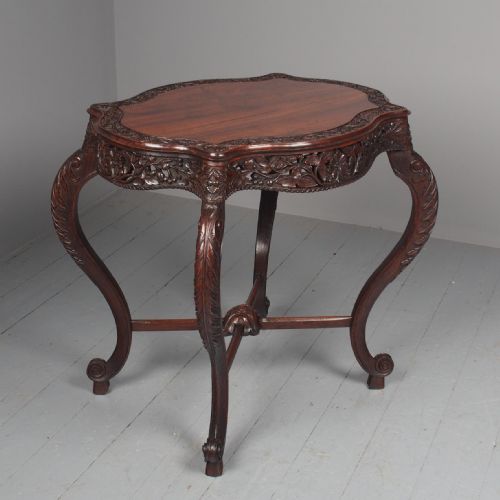


Carved Floral Lamp
These carved floral lamp pieces bring carved detail and floral motifs into domestic lighting, offering character that modern reproductions simply lack.
Carved Floral Lamp
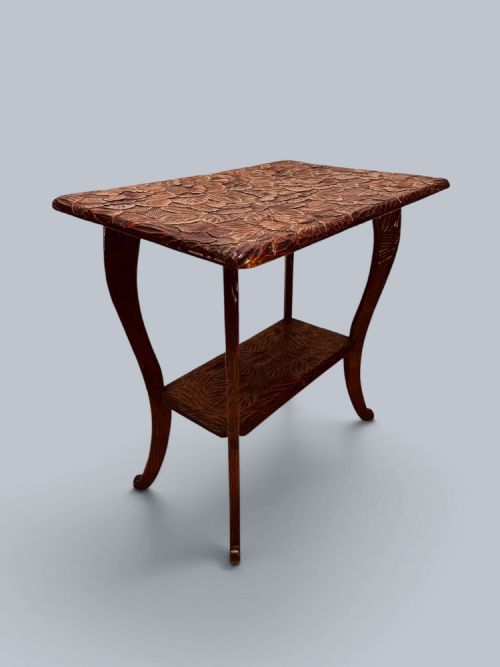
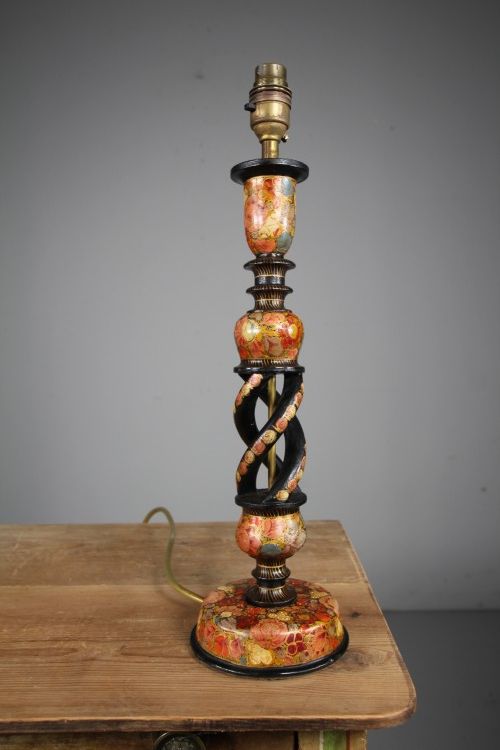
A carved floral lamp brings carved wood and floral ornamentation into interior spaces, drawing on designs from the Victorian era up through the Art Deco period. When searching for a carved floral lamp, buyers encounter items ranging from standard table lamps to floor lamps and adapted stands.
The selection includes pieces rooted in styles such as Arts and Crafts, Anglo-Indian, and French Neoclassical design. These items utilise traditional forms that span from the mid-nineteenth century into the early twentieth century.
Makers and workshops across different regions applied floral carving to hardwoods, walnut, and oak, resulting in diverse regional interpretations. Buyers often find that these items double as decorative focal points within traditional and eclectic interiors.
How they were made
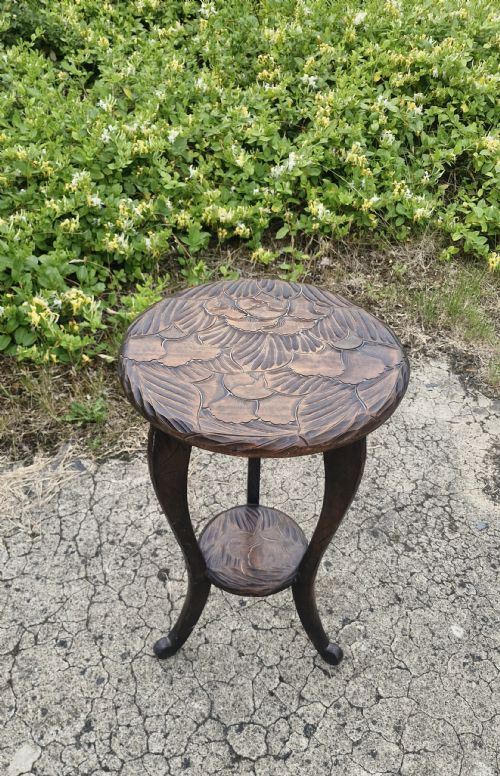
Craftsmen shaped these items using hardwoods, walnut, burr walnut, oak, and occasionally brass or marble. Woodworkers employed hand-carving techniques to render floral motifs onto table bases, lamp columns, and occasional stands.
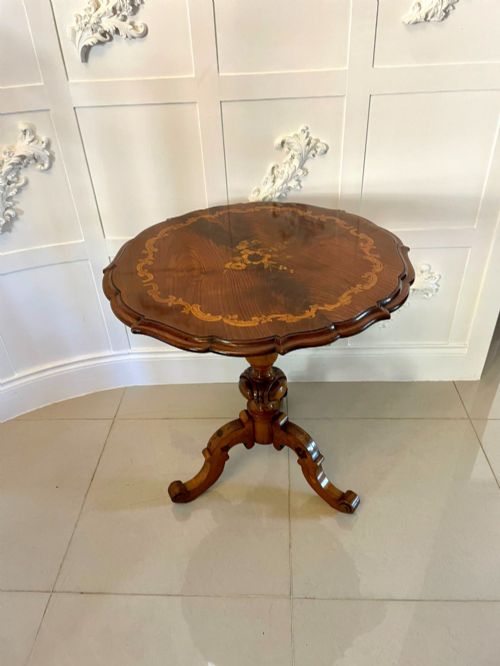
Surface treatments included ebonisation, hand painting, and French polishing to protect the timber and highlight the grain. Structural elements relied on traditional joinery, turning, and marquetry inlay to integrate decorative panels.
Carved Floral Lamp Retail Price Guide 2026
Typical asking prices for carved floral lamp among the pieces listed under this phrase on Sellingantiques today, from the lower quarter to the upper quarter. They describe what is for sale here now, not the wider market.
Listings feature items from the Victorian period up to 1930, utilising materials like walnut, oak, brass, and marble across various table and lighting forms.
What varies in quality
Quality in these pieces rests upon the depth and crispness of the hand-carved floral detailing, where sharper execution distinguishes finer work from simpler production. The choice of timber, such as figured burr walnut or dense hardwood, also elevates the standing of an individual piece.
Proportion and structural integrity separate robust examples from utilitarian items, particularly in the stability of pedestals and the precision of inlaid marquetry. Well-executed surface finishes and intact original components retain their visual harmony far better than heavily altered counterparts.
Liberty's·Baccarat
The Carved Floral Lamp Glossary
- Marquetry
- Decorative inlay using various woods to create pictorial or geometric patterns on a surface. This technique adds considerable visual complexity to tabletops and lamp bases.
- Burr walnut
- Timber taken from the burl of a walnut tree, prized for its swirling, highly figured grain patterns. It frequently appears on high-status Victorian and nineteenth-century furniture.
- Occasional table
- A small, versatile table designed for specific, intermittent use rather than central daily service. These tables often double as stands for lighting or decorative objects.
- Ebonisation
- A finishing process that treats timber to resemble ebony, providing a deep black, uniform appearance. This finish gained popularity during the Victorian period for accentuating carved details.
- Jardiniere stand
- A tall pedestal or small table specifically designed to hold a plant container or floral display. They share similar forms with tall lamp stands of the same period.
Carved Floral Lamp: Frequently Asked Questions
What periods do these lamps come from?
The pieces span from the mid-nineteenth century through the Victorian era and into the Art Deco period of the early twentieth century.
Craftsmanship from these eras reflects shifting design movements, including Arts and Crafts and Anglo-Indian traditions.
How were these lamps used originally?
Many items served as occasional tables or stands before being adapted for electrical lighting, while others were built specifically as floor or table lamps.
They provided localized illumination and decorative display space in nineteenth and early twentieth-century parlours and drawing rooms.
Are these items rewired for modern use?
Certain pieces arrive with updated wiring to meet current electrical standards while retaining their antique bases and structural integrity.
Buyers should inspect the technical specifications of each piece to confirm compatibility with modern sockets.
How do I identify different regional styles?
Regional characteristics appear in the choice of materials and the specific style of floral carving executed by the workshop.
Anglo-Indian pieces often display dense, intricate foliage on hardwoods, whereas European examples tend to follow classical or vernacular revival motifs.