




Carved Figure Pedestal Table
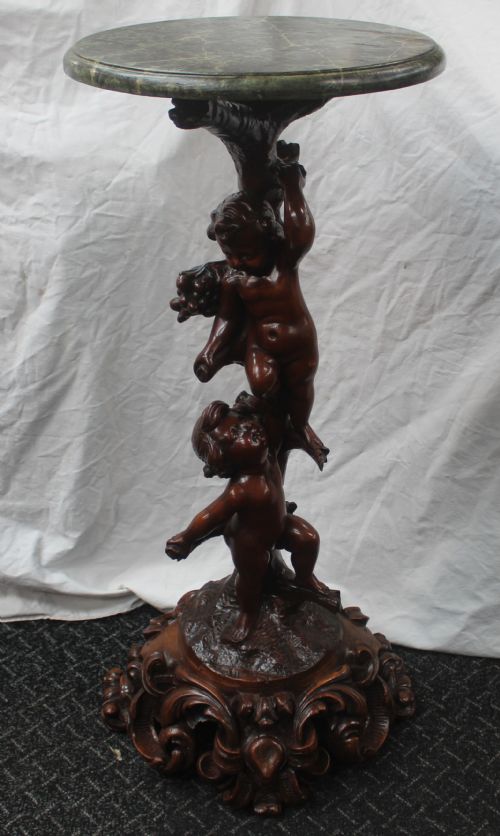
A carved figure pedestal table brings sculptural presence to a room, uniting functional surface space with figurative woodcarving.
Carved Figure Pedestal Table
A carved figure pedestal table combines a central support structure shaped as a human or animal figure with a sturdy wooden tabletop. The examples seen here encompass Victorian and nineteenth-century pieces alongside eighteenth-century works and later revivals.
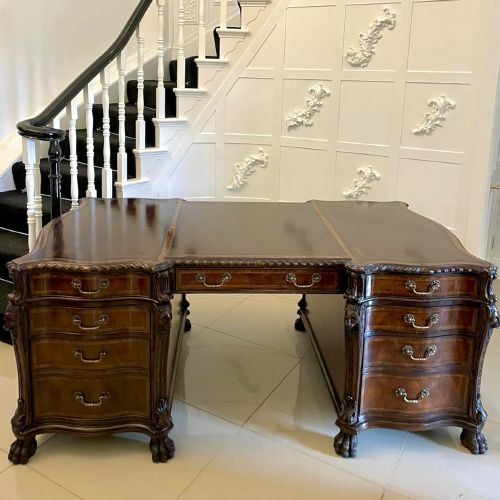
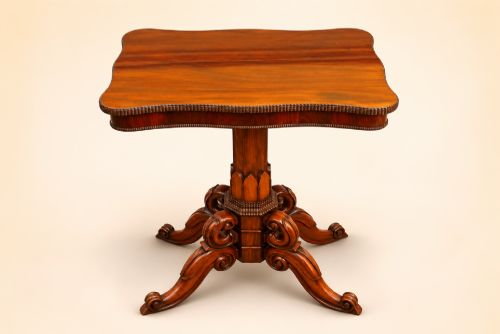
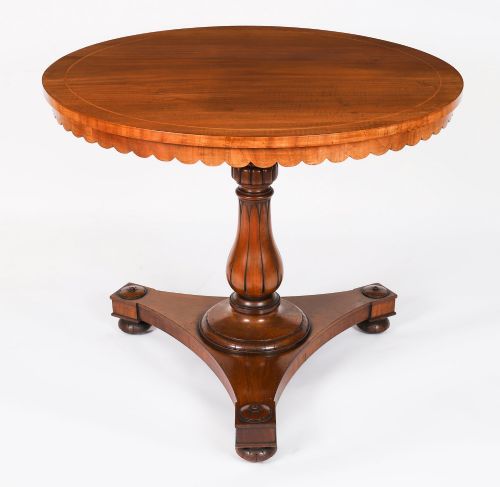
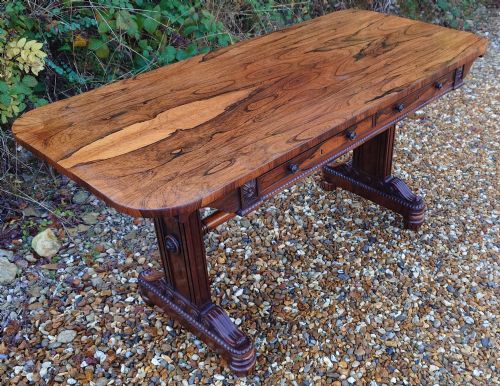
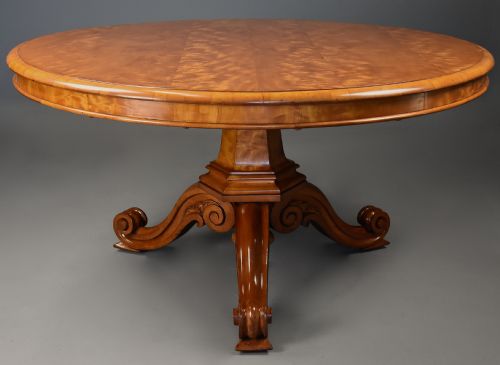
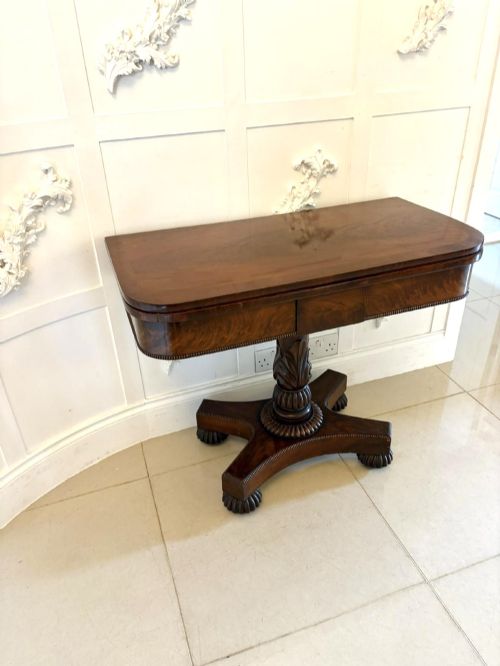
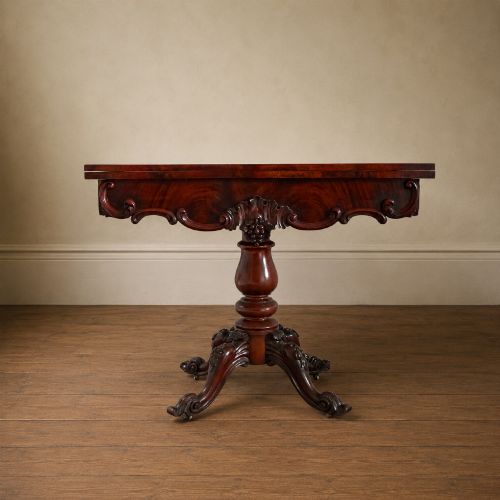
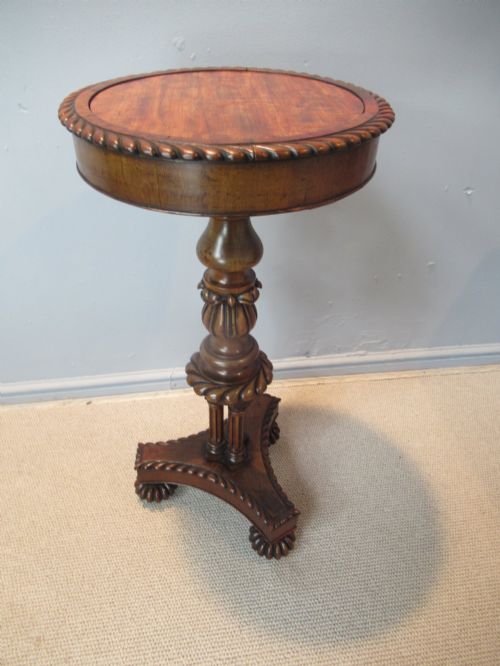
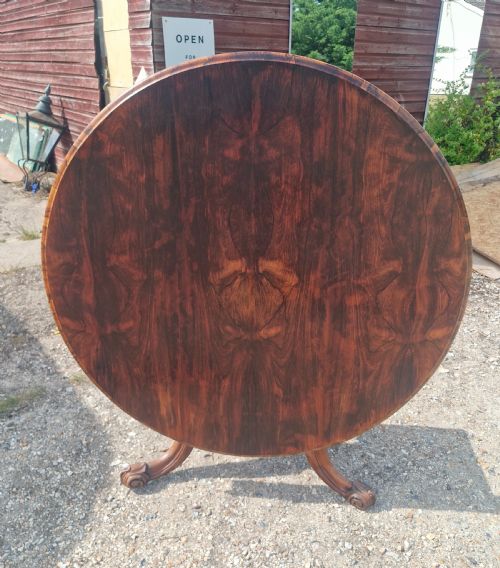
Buyers will encounter various forms ranging from blackamoor stands and figure supports to occasional tables, centre tables, and card tables. Walnut and mahogany dominate the selection, often featuring figured grain patterns on the top surfaces.
Origins stretch across British workshops, continental European makers, and regions such as Kashmir and Africa. This diversity means a buyer might select a formal European centre table or a hand-carved tribal support.
Materials and construction
Cabinetmakers utilised dense hardwoods like mahogany, walnut, and burr walnut for stability and rich figuring across the tabletops. Secondary woods provide internal framing while brass accents sometimes appear on mounts or castors.
Carvers shaped the central figures by hand from solid blocks of timber, often adding polychrome pigments, lacquer, or gilding to enhance the sculptural details. Turning techniques formed the structural pedestals and pillars that support the main surfaces.
Carved Figure Pedestal Table Retail Price Guide 2026
Typical asking prices for carved figure pedestal table among the pieces listed under this phrase on Sellingantiques today, from the lower quarter to the upper quarter. They describe what is for sale here now, not the wider market.
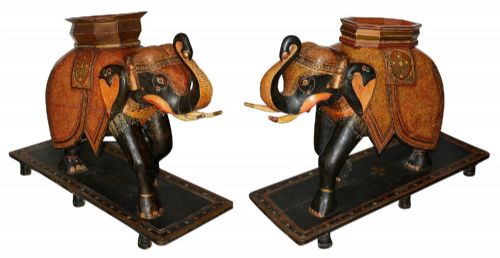
A pair of carved lacquer elephants stands ready to hold court among the traditional British dining and centre tables.
Assessing craftsmanship
Quality rests in the anatomical precision and expressive depth of the carved figure. Superior pieces display intricate hand-chiselling that brings vitality to the timber, whereas lesser examples show stiff, generalised shaping.
The choice of timber grain defines the top surface, with highly figured burr walnut and book-matched mahogany elevating a piece. Joinery execution around the pedestal junction and stability under weight further separate standard items from exceptional ones.
The Carved Figure Pedestal Table Glossary
- Figured walnut
- Timber exhibiting highly decorative grain patterns, prized for tabletops and cabinet fronts. It creates natural swirling designs across the wood surface.
- Pedestal table
- A standalone table supported by a single central column or figurative pillar rather than four corner legs. This construction allows for uninterrupted seating or viewing space around the base.
- Tilt-top table
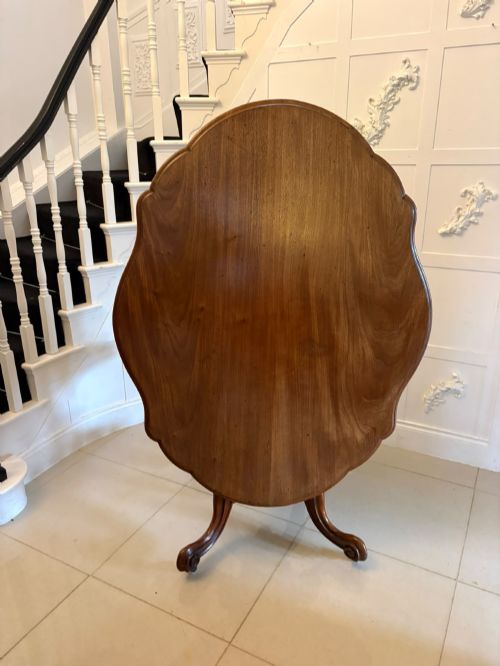
- A table designed with a mechanism that allows the top to pivot vertically for storage against a wall when not in use. This clever engineering was popular in domestic interiors.
- Marquetry
- The art of applying small pieces of veneer to a structure to form decorative patterns and pictorial designs. Craftsmen utilised contrasting timber tones to build floral or geometric motifs.
Carved Figure Pedestal Table: Frequently Asked Questions
Where should I place a carved figure pedestal table?
These pieces suit entrance halls, reception rooms, or as centre tables where the figurative base can be viewed from multiple angles. They also function effectively as lamp or occasional tables in living spaces.
Ensure the table sits on a level floor so the central pillar bears weight evenly across its base.
How do I care for figured walnut and mahogany?
Maintain the wood by applying natural beeswax periodically and buffing it with a soft cloth. Keep the table away from direct heat sources and strong sunlight to prevent the timber from drying out.
Avoid using modern liquid polishes that contain silicone, as they build up a residue over time.
How can I tell the period of a pedestal table?
Examine the construction methods, tool marks, and secondary timbers used in the internal framing. Stylistic cues such as William IV proportions or Victorian walnut marquetry offer reliable chronological markers.
Compare the turning style of the pillar and the detailing of the carved figure against documented historical examples.
Are these tables sturdy enough for daily use?
Solid hardwood construction ensures these tables are robust, though the stability depends heavily on the design of the base and feet. Three or four-footed pedestals distribute weight effectively across the floor.
Treat tilt-top mechanisms and delicate carved appendages with care when moving the furniture around a room.