



Carved Elm Hall Table
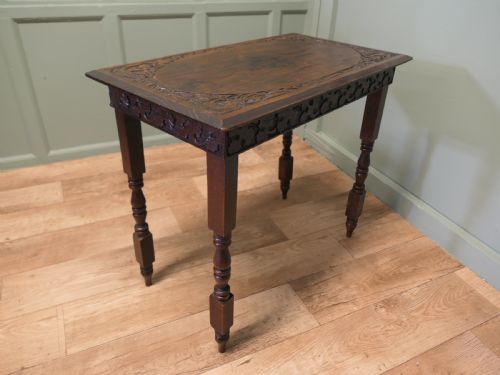
A carved elm hall table brings rustic warmth and striking grain to an entrance, spanning seventeenth-century English craft and traditional Chinese forms.
Carved Elm Hall Table
A carved elm hall table is a sturdy entryway piece built from tough timber, appearing in both European and Chinese traditions. When you search for a carved elm hall table, you encounter forms ranging from low English side tables to substantial Chinese altar consoles.
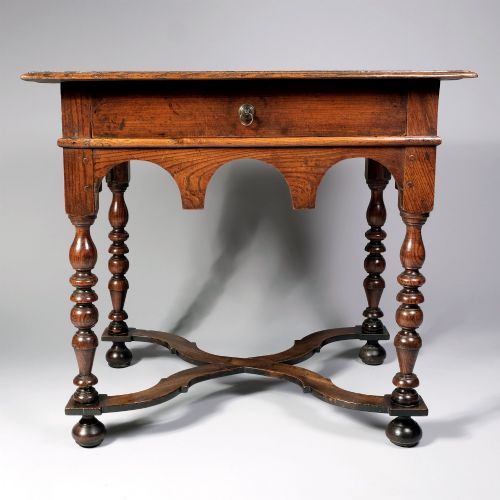
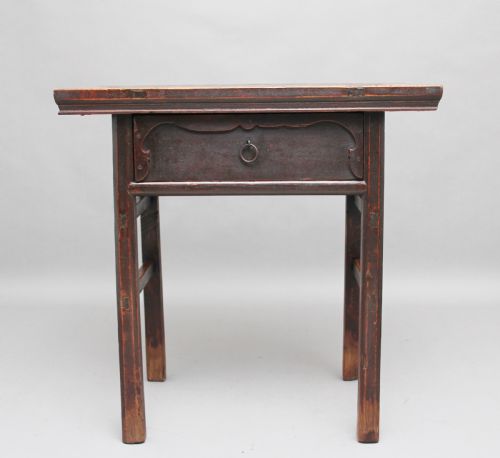
The English examples draw on seventeenth and eighteenth-century vernacular designs like William and Mary or Queen Anne low boys. Alongside these, the Chinese pieces include provincial side tables, writing desks, and altar tables dating across the nineteenth century and around nineteen hundred.
How they were made
These tables rely on solid elm timber, sometimes paired with brass or iron hardware and occasional lacquer finishes. Woodworkers exploited the tough, interlocking grain of elm for structural durability, while incorporating carved decoration into console aprons and altar panels.
Joinery methods vary between traditional European frame construction and classic Chinese mortise and tenon techniques. Hardwood supports and timber framing provide the necessary stability for these substantial console and side table forms.
Carved Elm Hall Table Retail Price Guide 2026
Typical asking prices for carved elm hall table among the pieces listed under this phrase on Sellingantiques today, from the lower quarter to the upper quarter. They describe what is for sale here now, not the wider market.
The listings span four distinct periods: the seventeenth century, the eighteenth century, the nineteenth century, and nineteen hundred.
What varies in quality
Quality rests in the depth and crispness of the carved details on the aprons and edges. Stronger examples display deliberate hand-carving that enhances the natural figure of the elm rather than obscuring the wood.
Proportion and structural integrity define the upper tier of these tables. Well-balanced console and altar tables maintain tight joints and honest patination across the timber surfaces.
The Carved Elm Hall Table Glossary
- Altar table
- A long, narrow table originating in China, traditionally placed against a wall for display. These pieces often feature upturned flange ends and carved apron spandrels.
- Low boy
- A small English table with drawers, standing on relatively tall legs. This form gained popularity during the seventeenth and eighteenth centuries in elm and other timbers.
- Console table
- A table designed to be fixed against a wall, frequently supported by brackets or legs. The form suits narrow spaces like hallways and entryways.
Carved Elm Hall Table: Frequently Asked Questions
Where should I place a carved elm hall table?
These tables suit entrance halls and narrow corridors because their slender footprints fit restricted spaces while offering surface area for daily items.
The height and length of console and side table formats allow them to sit neatly beneath mirrors or paintings without crowding the room.
How do I care for elm furniture?
Elm responds best to regular dusting with a dry, soft cloth and occasional treatment with natural beeswax to nourish the timber grain.
Keep these tables away from direct heat sources and sudden humidity shifts to prevent the solid wood from splitting over time.
What is the difference between an altar table and a side table?
Altar tables generally feature greater length and distinct architectural ends, often with subtle upturned flanges derived from traditional Chinese architecture.
Side tables tend to have simpler rectangular tops and standard legs suited for general utility rather than ceremonial display.
How can I tell English and Chinese periods apart?
English examples often show regional European styling cues like Queen Anne cabriole legs or William and Mary turned stretchers.
Chinese pieces display distinct joinery traditions, provincial carvings, and forms such as altar consoles tied to Qing Dynasty aesthetics.