

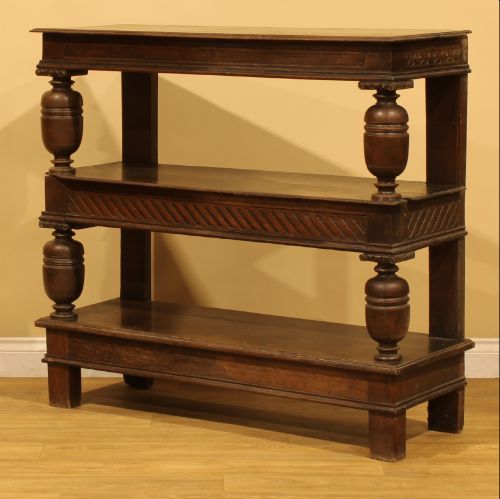
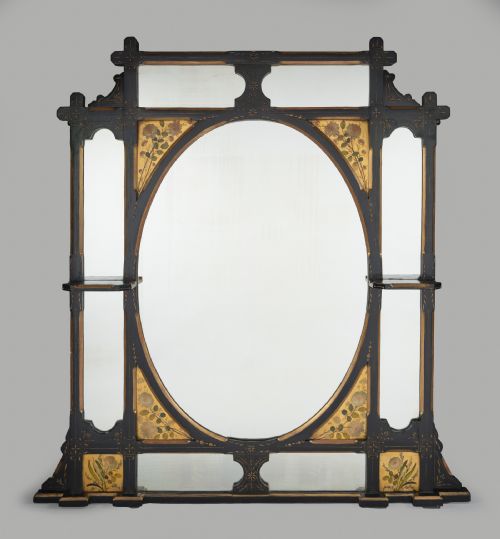
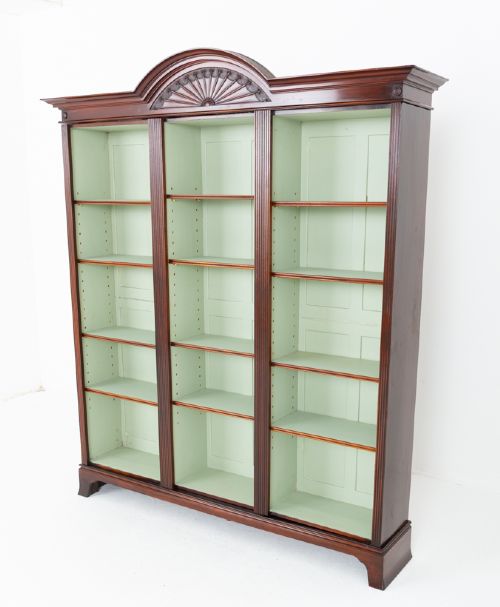
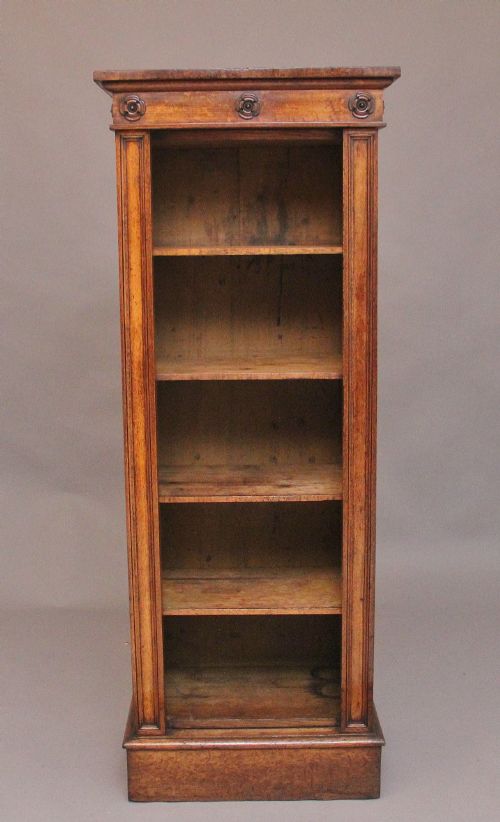
Carved Display Shelves
Carved display shelves bring timber and ornament together to hold books and objects across nineteenth-century and early twentieth-century interiors.
Carved Display Shelves
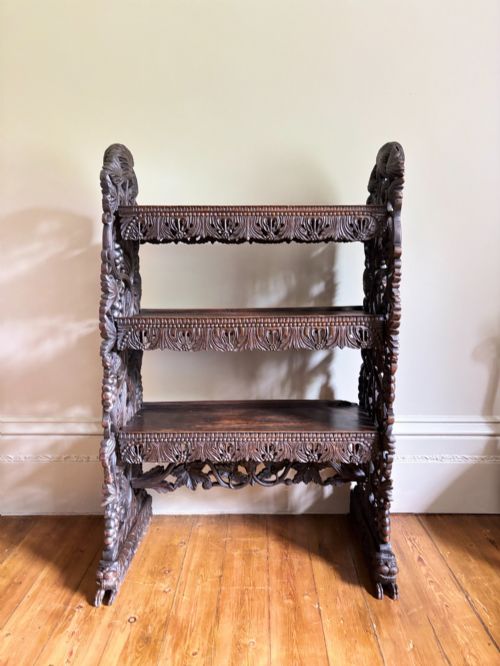
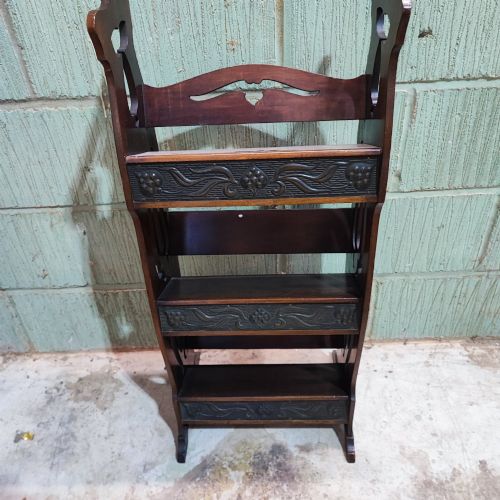
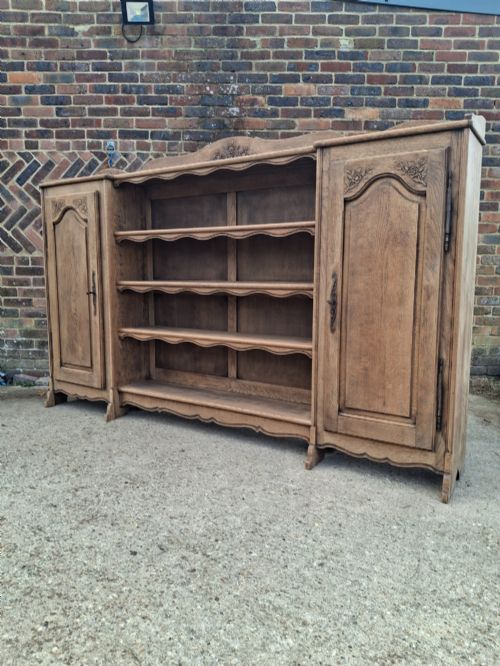
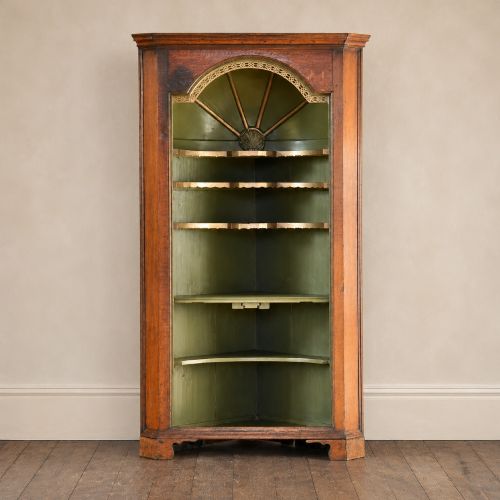
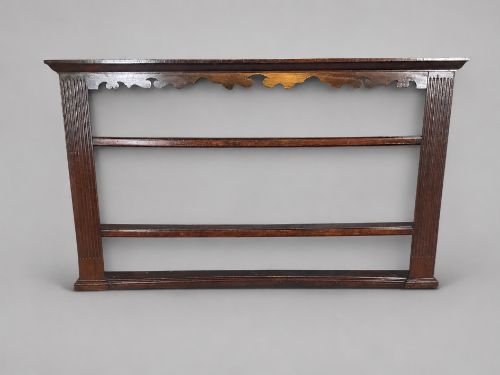
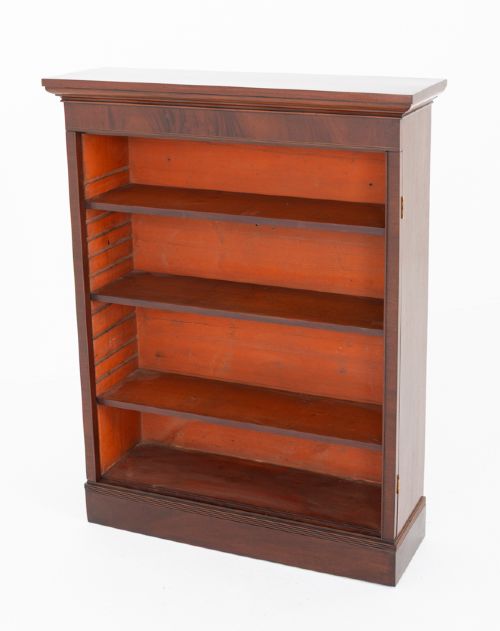
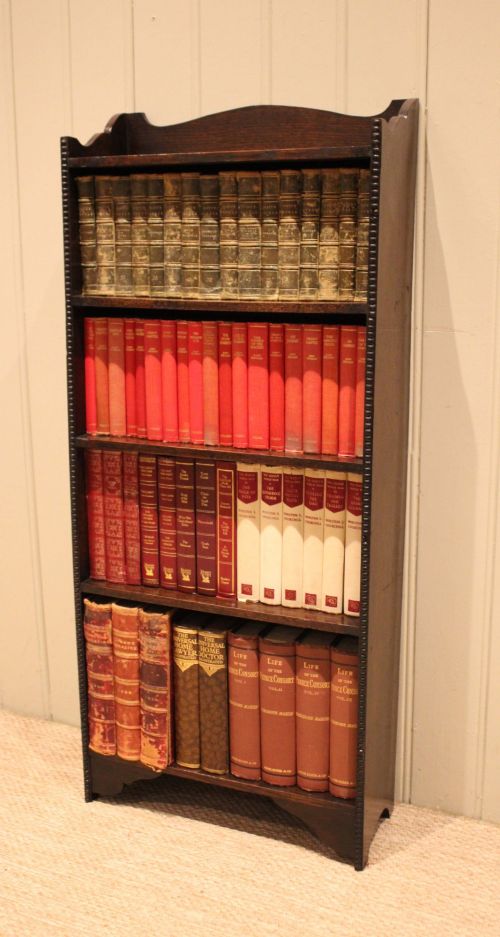
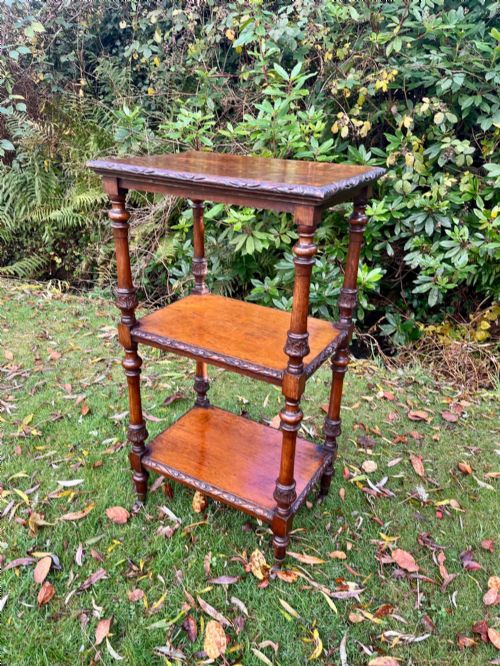
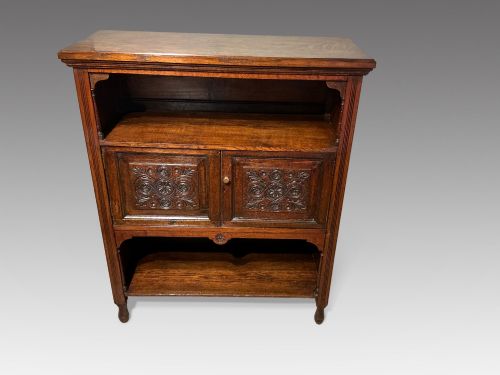
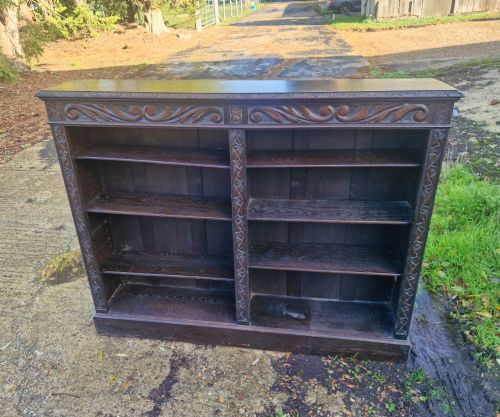
When you search for carved display shelves, you encounter a varied group of wooden furniture designed for storage and exhibition, spanning open bookcases, corner units, wall racks, and tiered whatnots. The pieces appearing here predominantly date from the nineteenth century, the Victorian era, and the Edwardian period.
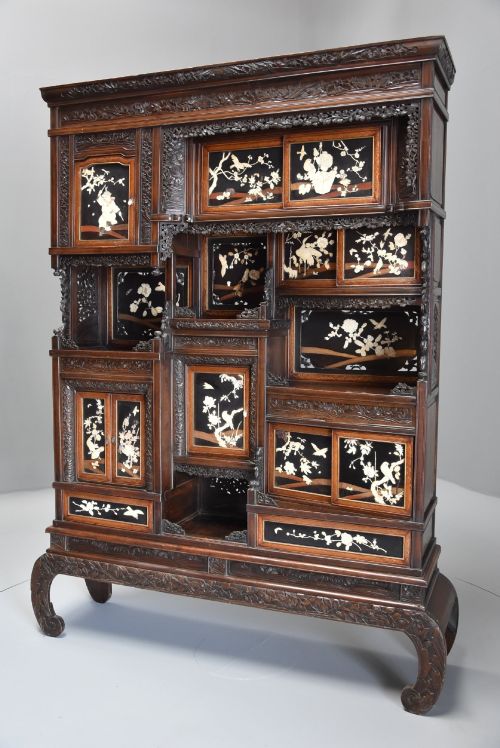
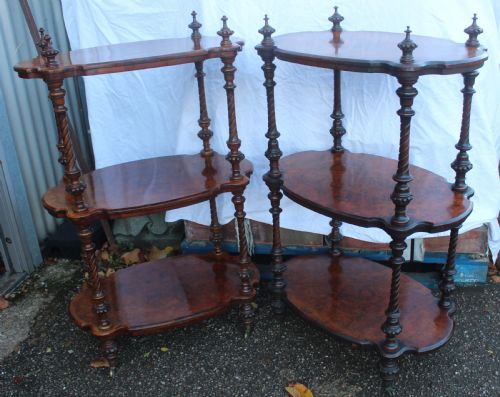
The selection ranges from sturdy oak bookcases with carved details and adjustable shelves to intricate rosewood, burr walnut, and mahogany whatnots featuring brass galleries or pierced fretwork. Alongside these, international examples such as Japanese shodonas and Chinese hardwood cabinets introduce distinct regional carving traditions.
Smaller wall-hanging shelf units and corner brackets also feature in the listings, offering practical ways to utilise compact spaces. Whether executed in simple Jacobean Revival oak or elaborate Aesthetic Movement styles, these items serve as both functional storage and decorative centrepieces.
How they were made
Makers utilised dense timbers such as oak, walnut, burr walnut, mahogany, rosewood, and hardwood, often selected for rich grain patterns and durability. In specific pieces, such as Arts and Crafts examples, pegged construction methods are visible, demonstrating traditional joinery without reliance on metal fasteners.
Carving serves as a primary decorative technique, seen in relief work, green man motifs, and carved edges that define the periods and styles. Metal elements appear alongside timber, with brass galleries, wire, and fittings integrated into rosewood and mahogany whatnots and wall racks.
Carved Display Shelves Retail Price Guide 2026
Typical asking prices for carved display shelves among the pieces listed under this phrase on Sellingantiques today, from the lower quarter to the upper quarter. They describe what is for sale here now, not the wider market.
Listings feature eighteenth and nineteenth-century periods, spanning Victorian, Edwardian, Regency, and Meiji eras in oak, walnut, rosewood, and mahogany.
What varies in quality
The selection of timber grain and the depth of the carving distinguish standard utilitarian items from exhibition pieces. Burr walnut and figured mahogany show superior figure, while crisp, undercut carving indicates skilled handwork rather than mechanical production.
Structural refinement also separates pieces, visible in the stability of adjustable shelving mechanisms, the neatness of pegged joinery, and the integration of brass galleries. Maker attribution, through stamps or known workshop designs, further elevates certain pieces within the range.
John Moyr Smith·Bowman Brothers·Trevor Page and Co·Gabriel Viardot
The Carved Display Shelves Glossary
- Whatnot
- A multi-tiered piece of freestanding furniture designed for displaying ornaments, books, or china, originating in the eighteenth century and remaining popular through the Victorian period.
- Etagere
- A French term for a piece of furniture consisting of a set of open shelves for displaying small objects, closely related to the English whatnot.
- Shodona
- A Japanese cabinet or display shelf combining shelves and cupboards, highly influential on nineteenth-century European design during the Japonisme movement.
- Brass gallery
- A low decorative metal rail fitted around the edge of a shelf or top surface to keep items from sliding off.
- Fretwork
- Ornamental design created by cutting patterns through thin wood, commonly seen in pierced panels on Victorian wall shelves and corner units.
Carved Display Shelves: Frequently Asked Questions
What is a whatnot shelf?
A whatnot is a multi-tiered freestanding unit designed specifically to hold and display ornaments, small books, or decorative objects. They gained prominence in the nineteenth century and often feature turned supports and brass galleries.
These pieces were placed in parlours and drawing rooms to exhibit prized possessions, reflecting the collecting habits of Victorian households.
How do I identify an Edwardian bookcase?
Edwardian bookcases, dating from the early twentieth century, typically feature lighter woods such as mahogany or lighter oak than their Victorian predecessors. They often incorporate restrained inlay work and simpler architectural lines.
Many examples from this period include adjustable shelves and glazed or carved doors, balancing domestic practicality with Edwardian decorative tastes.
Where should I place a corner whatnot?
Corner whatnots and shelves utilise neglected room angles, providing vertical display space without obstructing floor areas. They suit living rooms, dining spaces, or hallways where wall space is limited.
Because these units feature multiple tiers, placing them at eye level allows the decorative fretwork and timber grain to be fully appreciated.
What is an Aesthetic Movement shelf?
Aesthetic Movement shelves reflect late nineteenth-century design principles that prioritised visual beauty over strict historical revival. They frequently use ebonised wood, golden oak, or Japanese-inspired motifs.
These pieces often combine asymmetrical layouts with delicate carving, aligning with the period's interest in art for art's sake.