

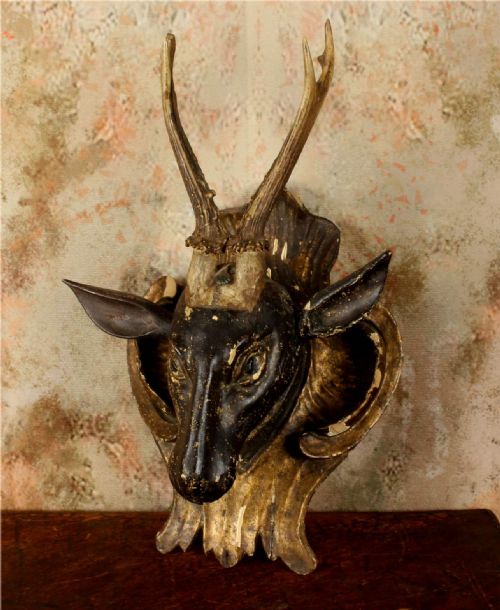


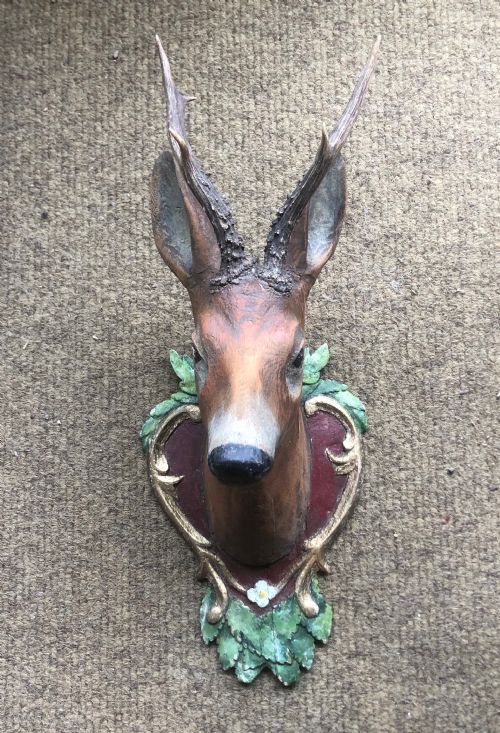


Carved Deer Mount
These carved deer mount pieces bring the heavy presence of the nineteenth-century lodge and Victorian country house straight into the modern hall.
Carved Deer Mount
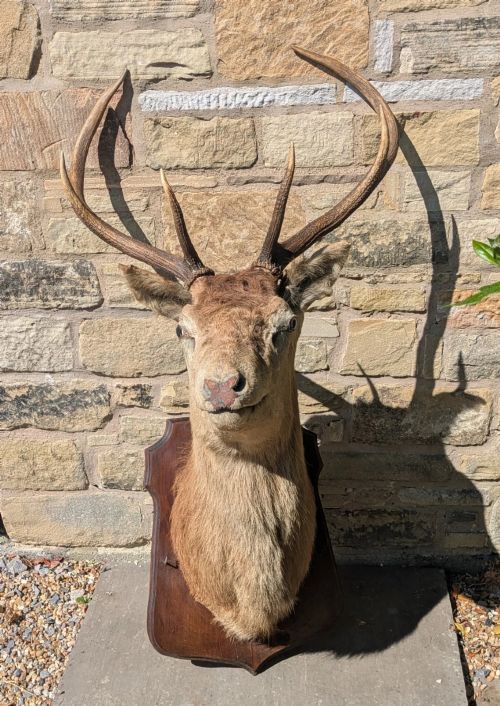
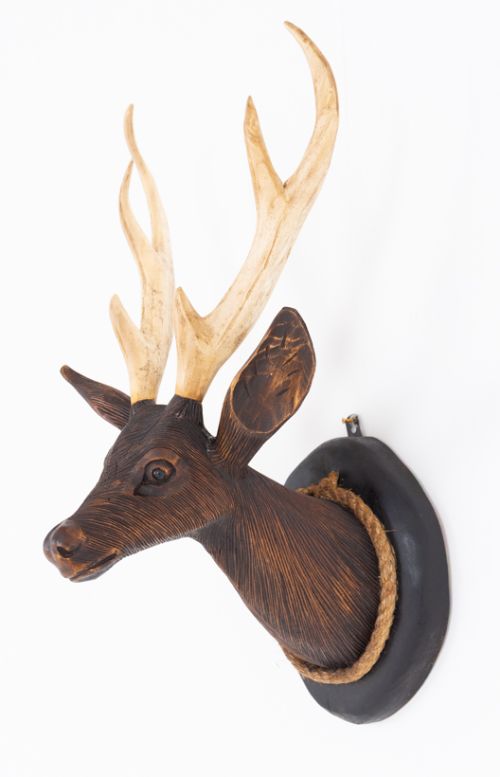
When you search for carved deer mount, you are looking at nineteenth-century taxidermy heads, antler trophies, and carved wood representations designed to hang upon interior walls. These items range from natural taxidermy roebucks and red stags mounted on oak shields to Continental Black Forest interpretations and folk art carvings.
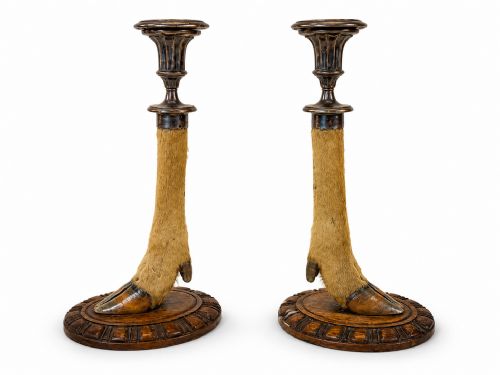
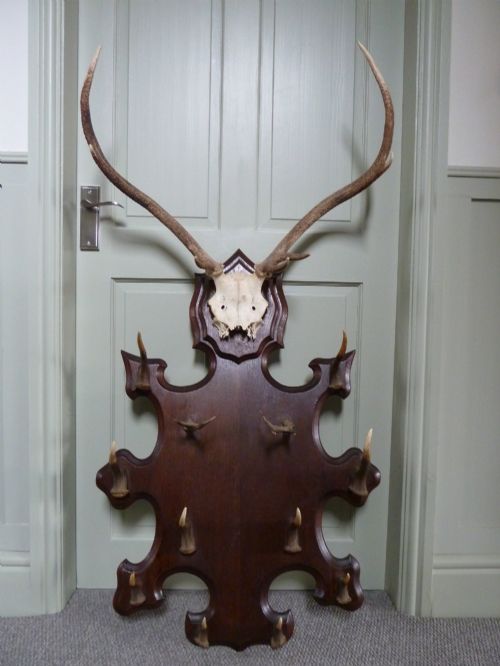
The version you are most likely to meet on this page is the Victorian country house or Black Forest style stag head, frequently accompanied by functional elements like coat racks or desk stands. Oak, horn, and carved wood dominate the forms, reflecting both sporting traditions and domestic utility.
How they were made
Maker construction relies heavily on natural materials combined with traditional woodworking, utilising genuine antlers, bone, and natural hide alongside carved Scottish and Continental oak. Wood carvers shaped shields and wall sculptures by hand, often incorporating silver mounts or painted details onto folk art pieces.
Taxidermy mounts required curing and fitting animal hides and skulls onto sturdy wooden backs or shields, while Black Forest pieces leaned entirely into deeply carved wooden representations of deer heads and foliage.
Carved Deer Mount Retail Price Guide 2026
Typical asking prices for carved deer mount among the pieces listed under this phrase on Sellingantiques today, from the lower quarter to the upper quarter. They describe what is for sale here now, not the wider market.
Materials across these listings include oak, antler, wood, bone, carved wood, paint, natural hide, and antlers.
What varies in quality
The distinction between ordinary and superior pieces rests on the depth and definition of the wood carving, the symmetry of the antlers, and the overall anatomical accuracy of the taxidermy. Pieces originating from specific recognised movements like Black Forest or Scottish Baronial display sharper hand-carved detail and superior joinery.
Condition of the natural hide, bone, and horn also dictates value, where well-preserved surfaces without heavy modern intervention separate genuine nineteenth-century examples from later reproductions.
The Carved Deer Mount Glossary
- Black Forest style
- A nineteenth-century tradition of deeply carved wooden decorative items, often featuring naturalistic forest animals and foliage. This style originated in the mountainous regions of central Europe.
- Taxidermy mount
- The preserved skin and head of an animal fitted over a form and attached to a wooden shield for wall display. These function as both natural history specimens and interior decor.
- Folk art
- Utilitarian or decorative objects created by self-taught or provincial makers using traditional local materials. These pieces prioritize character and regional style over strict academic proportion.
- Scottish Baronial
- An architectural and decorative style drawing on medieval Scottish castles, characterised by robust oak woodwork and heraldic motifs. It frequently incorporates deer horns and shields.
- Shield
- The wooden backplate, commonly carved from oak, upon which antlers or taxidermy heads are mounted for hanging. This provides structural support and a finished edge for wall display.
Carved Deer Mount: Frequently Asked Questions
Are these pieces genuine nineteenth-century antiques?
The listings span from the early nineteenth century through the nineteen-thirties, encompassing Victorian, Edwardian, and Continental periods. Materials like aged oak, bone, and natural hide help confirm the historical age.
Examining the fixings on the reverse of the wooden shield often reveals hand-cut screws or traditional joinery consistent with the period.
How should I clean my taxidermy mount?
Dust the antlers and wooden shields gently using a soft, dry brush or a feather duster on a regular basis. Avoid using liquid cleaners, water, or chemical sprays on the hide and taxidermy.
Keep the mount away from direct sunlight and damp environments to prevent the natural hide, bone, and wood from drying out or cracking.
What is the difference between taxidermy and carved wood?
Taxidermy utilises the actual preserved head, hide, and antlers of a real animal mounted onto a wooden backing. Carved wood pieces are entirely sculpted by hand from timber to resemble a deer head without using animal parts.
Both forms served similar decorative purposes in Victorian and Edwardian hunting lodges and country houses.