
Carved Daybed Couch
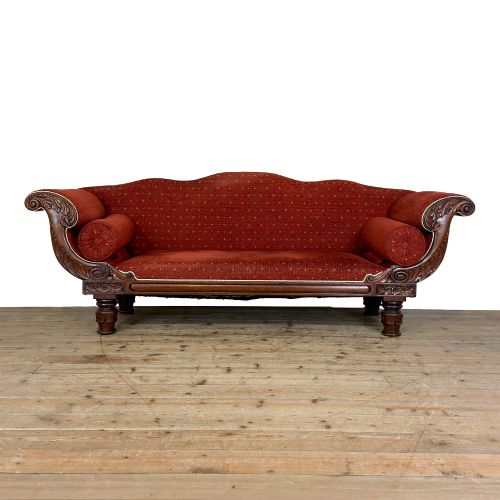
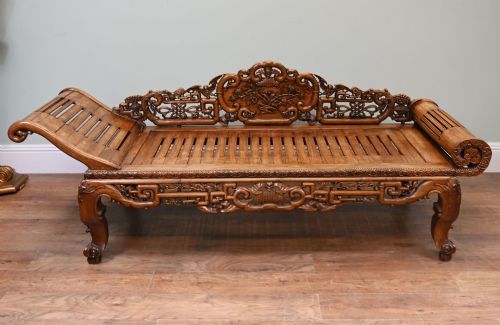
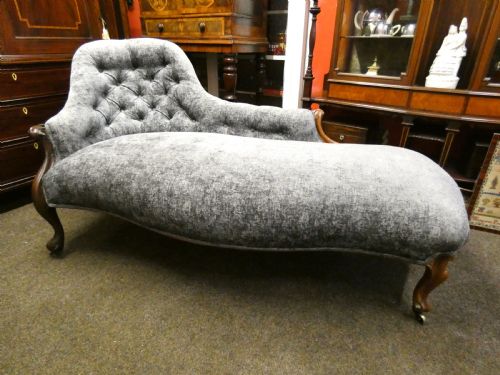
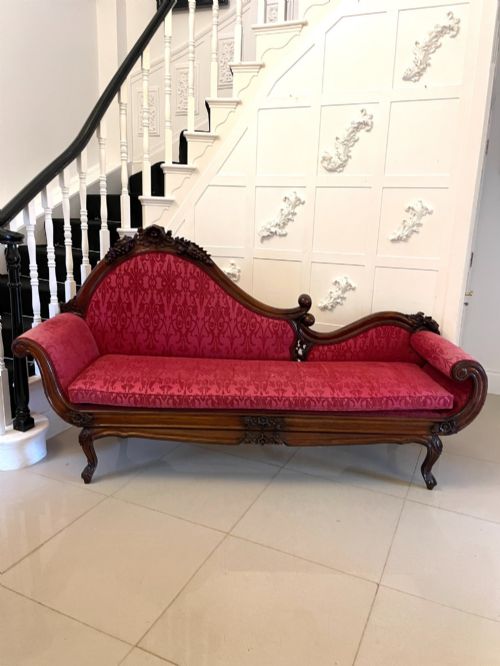
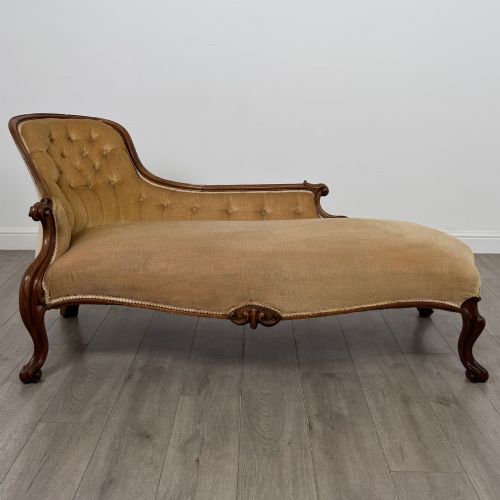
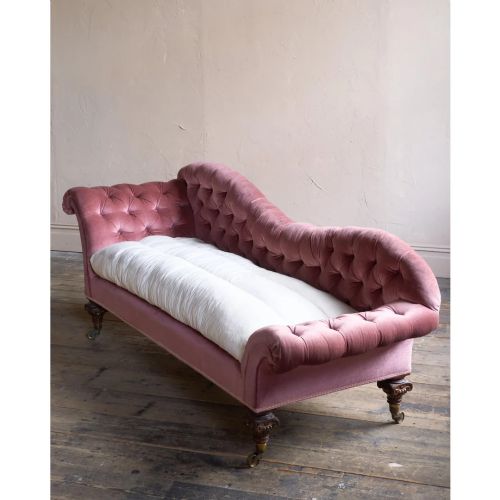
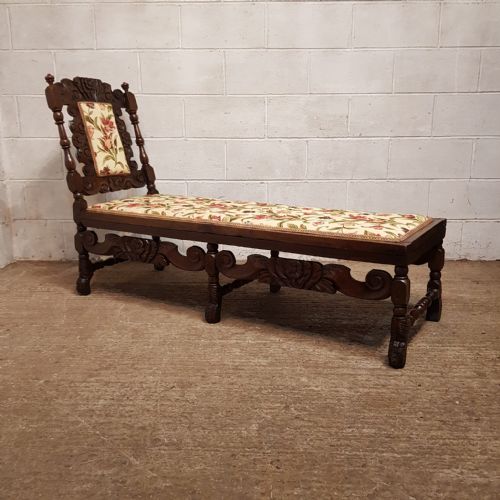
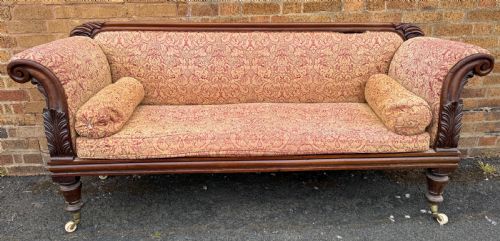
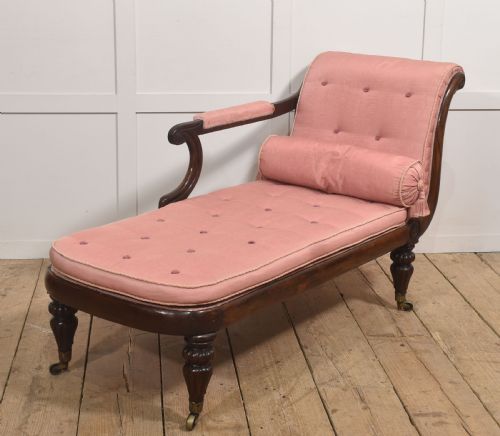
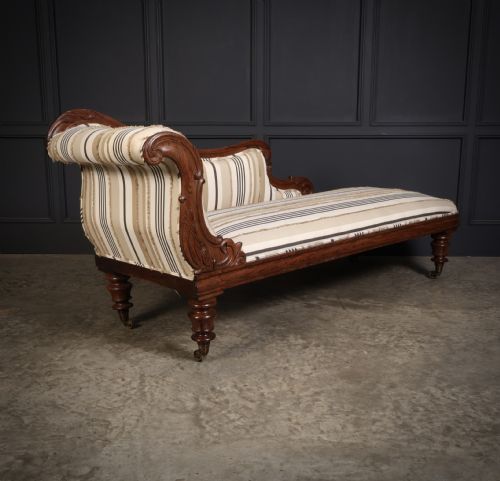
These carved daybed couch pieces span nineteenth-century chaise longues and scroll-end sofas, offering deep reclining comfort for a traditional drawing room.
Carved Daybed Couch
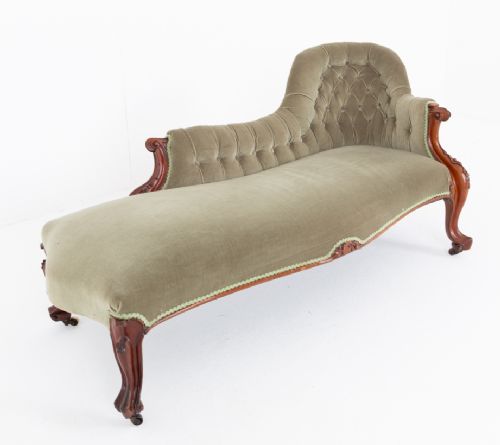
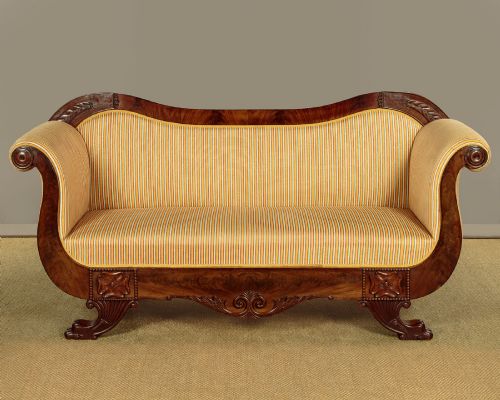
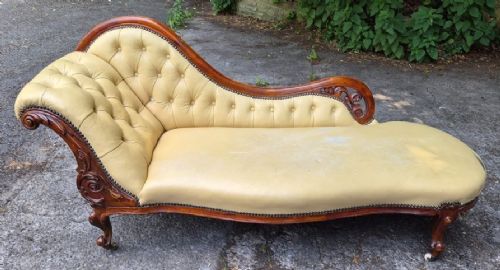
When you search for a carved daybed couch, you encounter nineteenth-century seating forms including Victorian chaise longues, Regency scroll-end sofas, and William IV daybeds. The most frequent examples on this page are Victorian mahogany and rosewood chaise longues designed for reclining in domestic interiors.
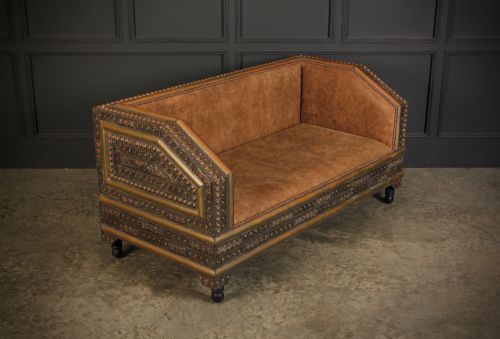
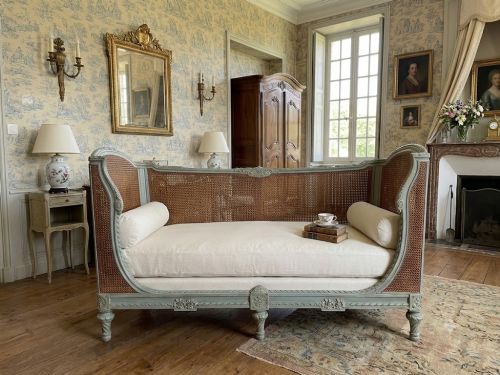
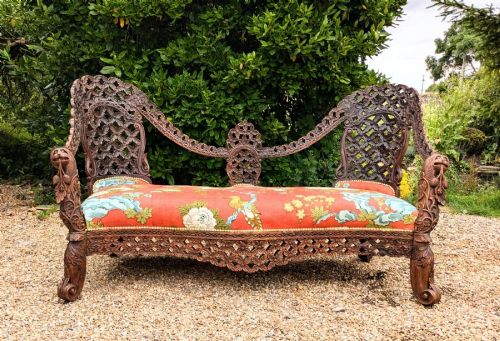
Makers and cabinet makers of the nineteenth century also produced Anglo-Indian hardwood sofas, French Louis XVI style day beds, and oak frames alongside standard couch forms. These diverse regional styles reflect both British craftsmanship and international influences during the Victorian and Regency periods.
How They Were Made
Carpenters shaped solid timbers such as mahogany, rosewood, walnut, and oak into curvilinear frames, incorporating hand-carved scrolling details and column legs. Caning appeared on specific French and Anglo-Indian day beds alongside traditional fabric upholstery.
Upholstered surfaces relied on springs, horsehair, and webbing covered in velvet or contemporary fabrics to support the recliner. Wood frames frequently displayed polished finishes that highlighted the natural grain of rosewood and mahogany.
Several couches feature dragons guarding the woodwork, proving that mythical beasts enjoy a nap as much as anyone.
What Varies in Quality
The sophistication of the timber carving and the integrity of the wooden frame determine the distinction between standard and superior pieces. Crisp relief work on scroll ends and sturdy joinery indicate careful workshop production.
Original upholstery materials and intact cane work preserve the historical authenticity of a couch, whereas modern re-webbing alters the textile presentation. The weight and selection of dense rosewood or mahogany timbers further separate standard production from exceptional examples.
H. Goodall And Sons·Thomas Hope
The Carved Daybed Couch Glossary
- Chaise Longue
- An upholstered long chair designed for reclining, typically featuring a single raised end rest.
- Scroll End
- A wooden arm or back termination rolled outward in a tight spiral curve, common on Regency and William IV sofas.
- Bergere
- A closed-arm French armchair or sofa featuring woven cane panels on the back and sides.
- Récamier
- A type of daybed or couch with two raised ends and an open side, named after Madame Récamier.
- Canapé
- A decorative settee or sofa originating in French furniture design, often featuring an exposed carved wooden frame.
Carved Daybed Couch: Frequently Asked Questions
Where did people use a carved daybed couch?
Nineteenth-century households placed these couches in drawing rooms, master bedrooms, and long galleries for daytime resting. They suited formal entertaining spaces where guests gathered to converse or read.
Smaller versions functioned as window seats or hallway benches in country houses. Their open side allowed occupants to recline without disturbing their formal dress.
How do I tell a Victorian chaise longue from a Regency sofa?
Regency sofas typically display classical architectural influences, including scroll-end arms and heavier mahogany or rosewood timbers dating from the early nineteenth century. Their lines remain clean and geometric.
Victorian pieces often feature heavier floral carvings, walnut or rosewood frames, and more elaborate button-tufted upholstery. The woodwork on Victorian examples tends toward asymmetrical curves and rich, dark patination.
Are these daybeds comfortable for daily lounging?
Most antique daybeds and chaise longues accommodate relaxed sitting and reclining, though internal padding relies on nineteenth-century construction methods. Frames built from solid mahogany or rosewood offer sturdy structural support.
Upholstery condition varies across individual pieces, with some retaining historic stuffing and others featuring modern restoration. Buyers seeking daily utility often inspect the firmness of the springing and the depth of the reclining surface.
How do I care for antique wood and upholstery?
Maintain finished rosewood and mahogany frames by dusting with a dry cloth and applying traditional beeswax sparingly. Direct sunlight causes fading on exposed timber surfaces and delicate fabrics.
Protect upholstered velvet and fabric sections with professional cleaning methods suited to antique textiles. Keeping the room humidity stable prevents the timber frames from cracking or warping.