

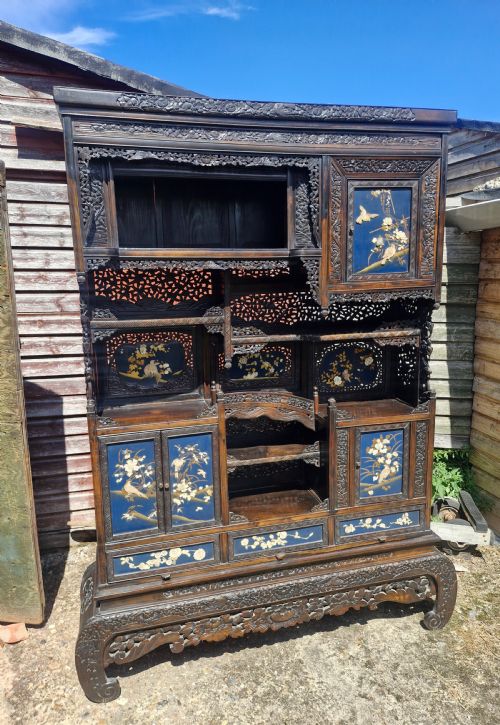
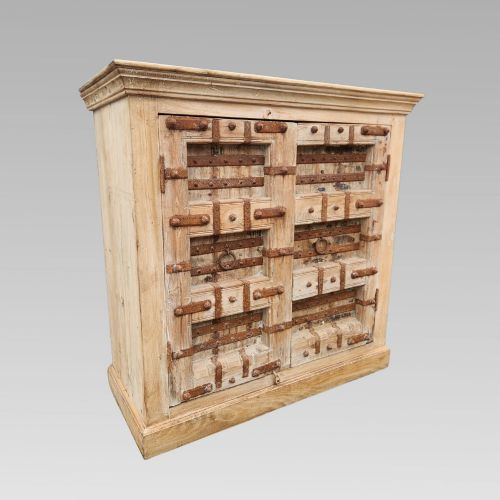
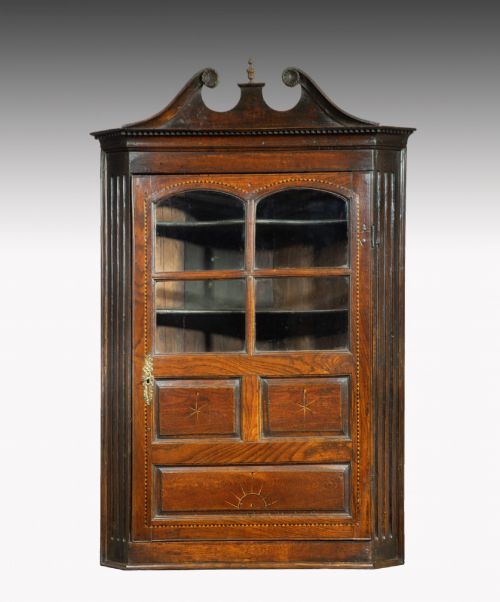
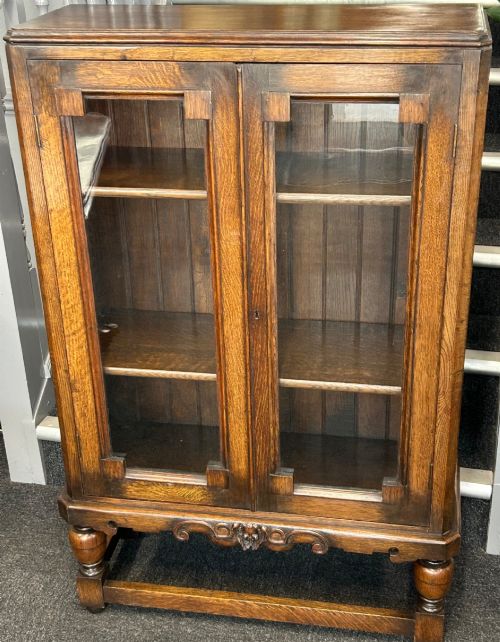


Carved Cupboard Unit
A carved cupboard unit brings practical storage and architectural detail into a room, spanning periods from the eighteenth century to the twentieth.
Carved Cupboard Unit
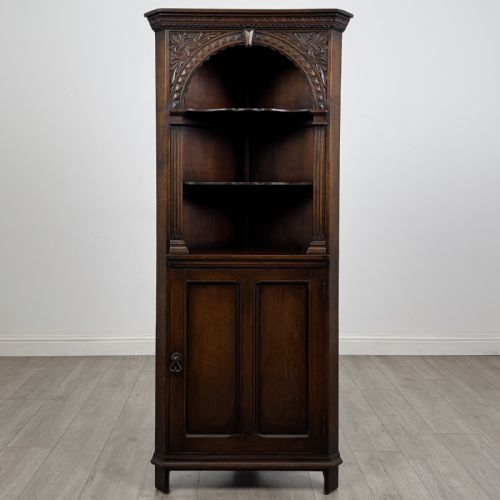
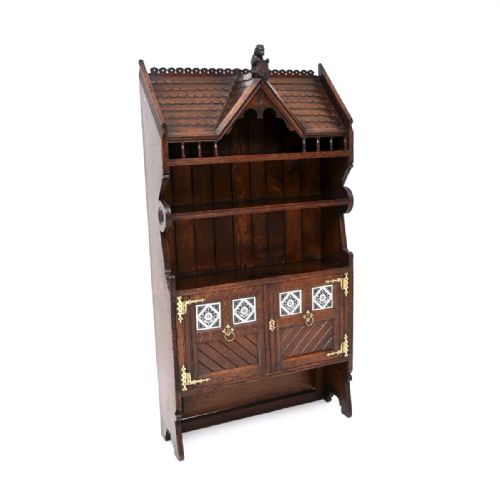
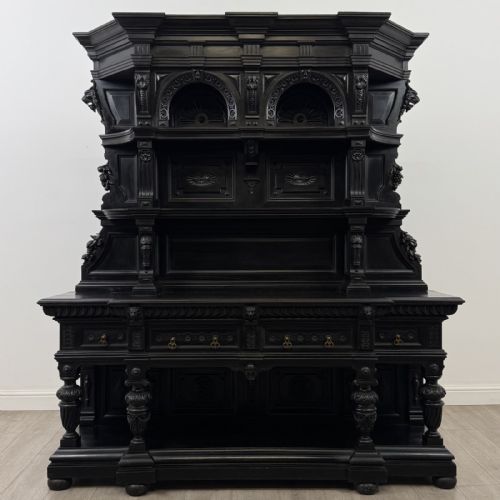
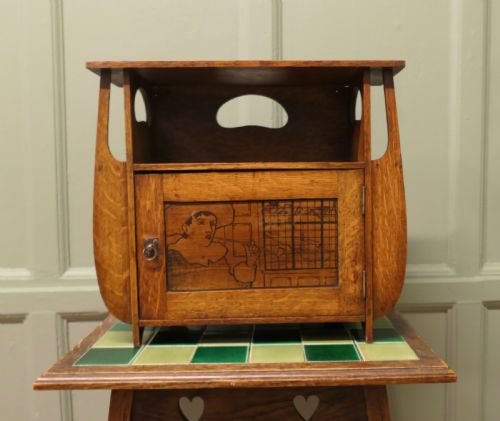
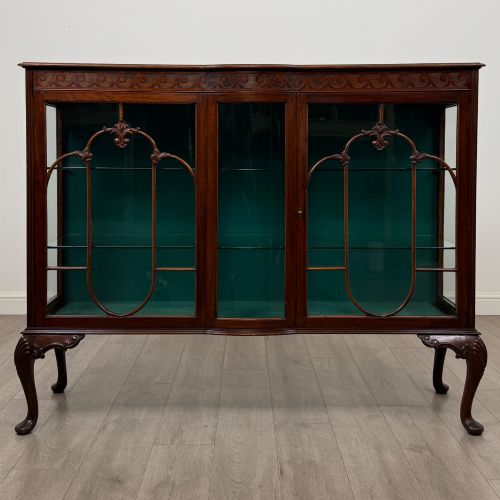
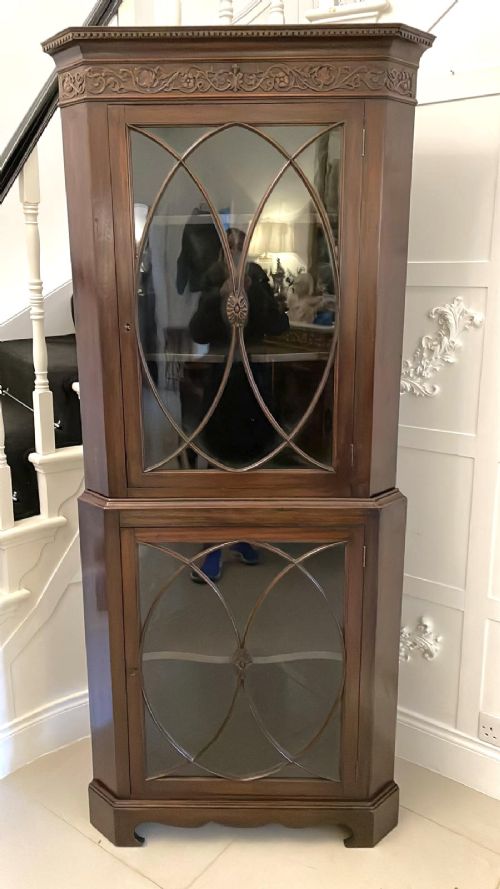
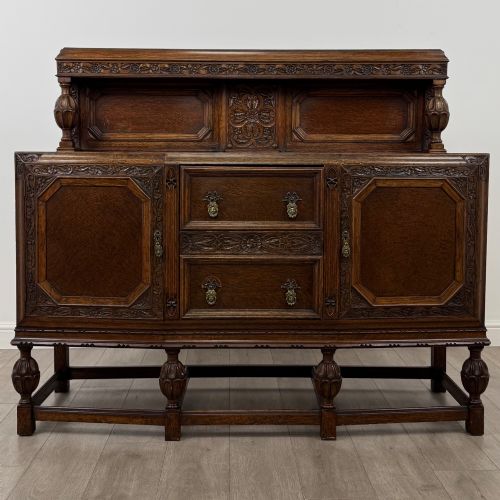
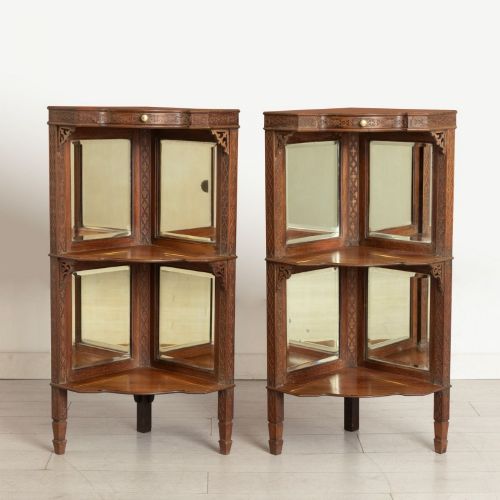
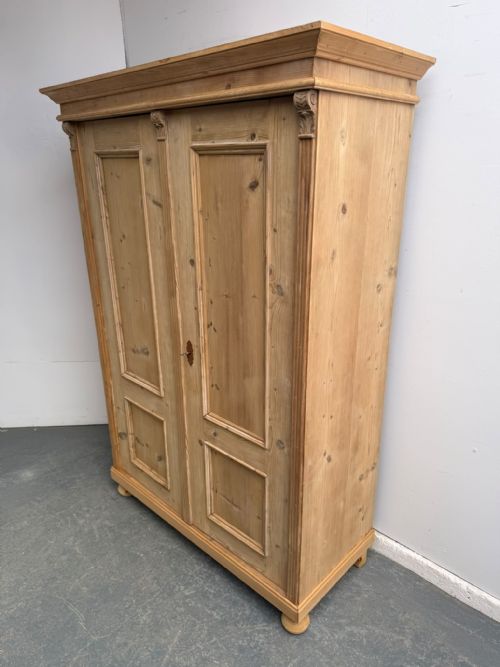
A carved cupboard unit encompasses wall-mounted cabinets, freestanding corner cupboards, and sideboards designed to hold household goods while displaying decorative woodwork.
The pieces appearing on this page extend across the eighteenth, nineteenth, and twentieth centuries, taking influence from Jacobean, Georgian, Victorian, and Edwardian design traditions.
Corner cabinets and upright storage cupboards form the most common configurations found here, often utilising domestic timbers shaped to fit specific room layouts.
Standard and Execution
The distinction between standard commercial production and finer workshops rests on the crispness of the timber carving and the selection of figured grain timbers.
Superior examples demonstrate thoughtful proportion, tight joinery at the corners and doors, and hardware that integrates harmoniously with the period style.
Carved Cupboard Unit Retail Price Guide 2026
Typical asking prices for carved cupboard unit among the pieces listed under this phrase on Sellingantiques today, from the lower quarter to the upper quarter. They describe what is for sale here now, not the wider market.
Some Edwardian cupboards arrive with brass face handles that watch over the hallway with perpetual surprise.
John Moyr Smith·Edwards & Roberts·Robert Strahan·Goodhall, Lamb and Heighway
The Carved Cupboard Unit Glossary
- Linenfold
- A style of relief carving on wood that imitates folded linen, commonly seen on Tudor and Jacobean revival panels.
- Astragal glazed
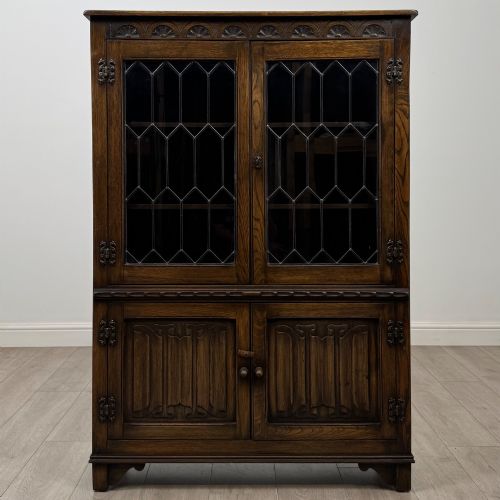
- A glass door divided into smaller panes by narrow wooden or metal bars, typical of eighteenth and nineteenth-century display furniture.
- Ebonised
- Timber treated with a finish to imitate ebony, popular in nineteenth-century decorative arts to create a dense black surface.
- Shodana
- A traditional Japanese display cabinet featuring asymmetrical shelving, enclosed cupboards, and sliding doors.
Carved Cupboard Unit: Frequently Asked Questions
Where do I put a corner cupboard unit?
These cabinets suit awkward junctions in a room, turning dead space into functional shelving for books or ceramics.
Freestanding and wall-hung versions both anchor a corner visually while keeping floor areas clear.
How do I date an oak cupboard?
Examine the construction methods inside the carcass, including the type of saw marks and the hand-cut joints used on the drawers.
Revival pieces from the early twentieth century often copy earlier Jacobean or Tudor styles but reveal machine tooling upon closer inspection.
Are leaded glass doors original?
Leaded and astragal glazed doors frequently match the period of the main cabinet structure, particularly in Edwardian display units.
Inspect the internal glazing bars and glass texture to confirm whether the panels share the age of the surrounding wood frame.
How do I maintain antique pine and oak?
Feed unpolished timber surfaces with traditional beeswax to preserve the grain and protect against excessive dryness in heated rooms.
Avoid modern liquid polishes that build up silicones and instead rely on natural waxes applied sparingly with a soft cloth.