




Carved Coat Hooks
Carved coat hooks combine domestic utility with sculptural form, offering a practical way to hang garments while bringing period character into an entrance hall.
Carved Coat Hooks
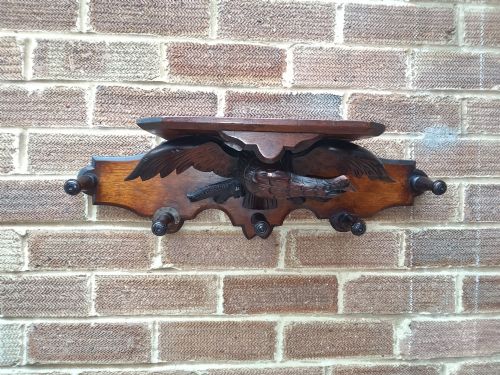
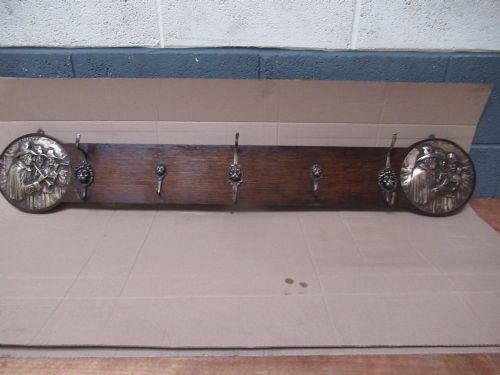
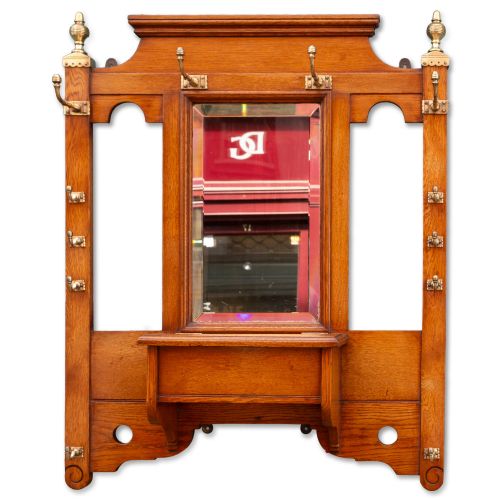
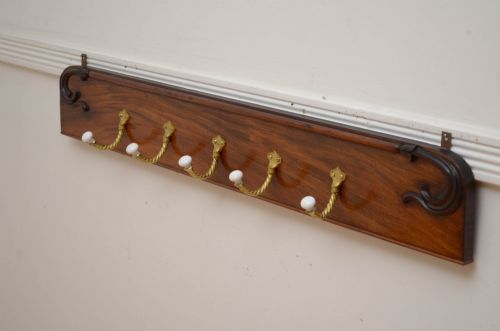
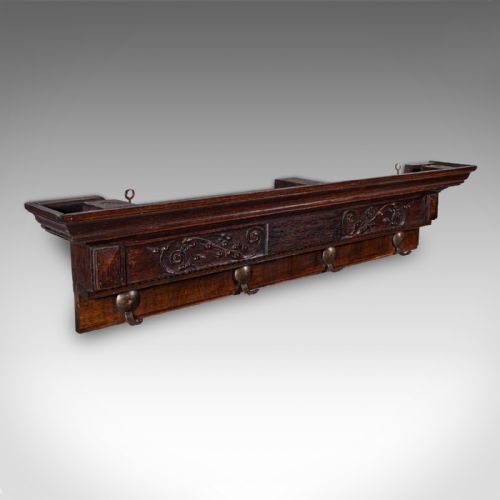
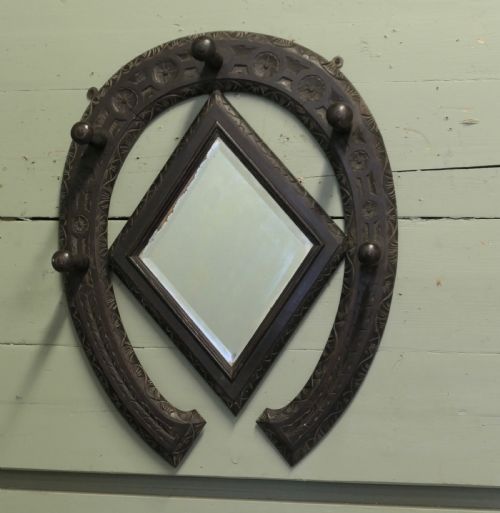
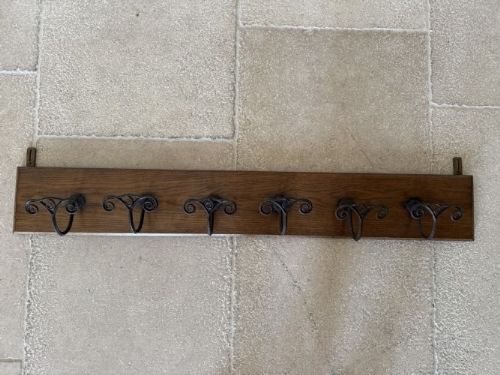
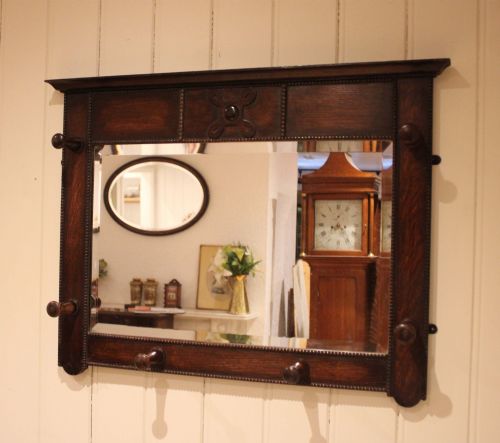
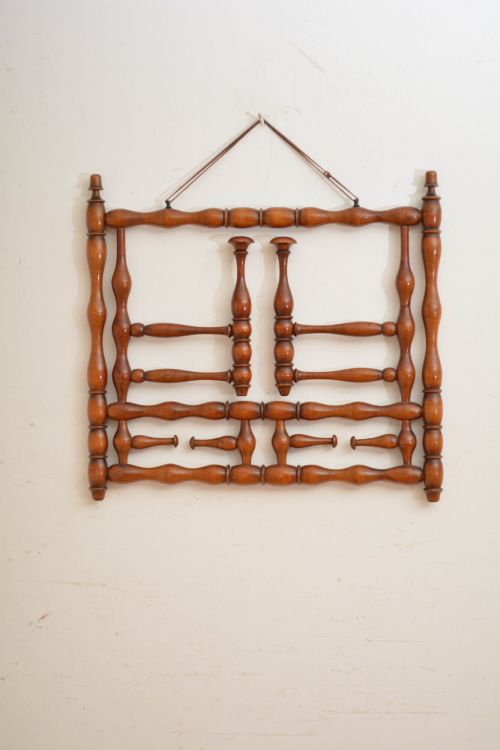
Carved coat hooks serve as both functional hardware and decorative woodwork, appearing in forms that range from simple wall-mounted rails to elaborate hall stands with integrated mirrors. When searching for carved coat hooks, buyers encounter diverse formats including single animal-carved mounts, multi-hook wall racks, and substantial pieces featuring turned wood and glass or ceramic elements.
The material selection spans European hardwoods like oak, walnut, mahogany, and linden wood, frequently complemented by brass, iron, or glass attachments. Many examples originate from the nineteenth century, encompassing Victorian and Edwardian periods alongside distinctive Black Forest and French country styles.
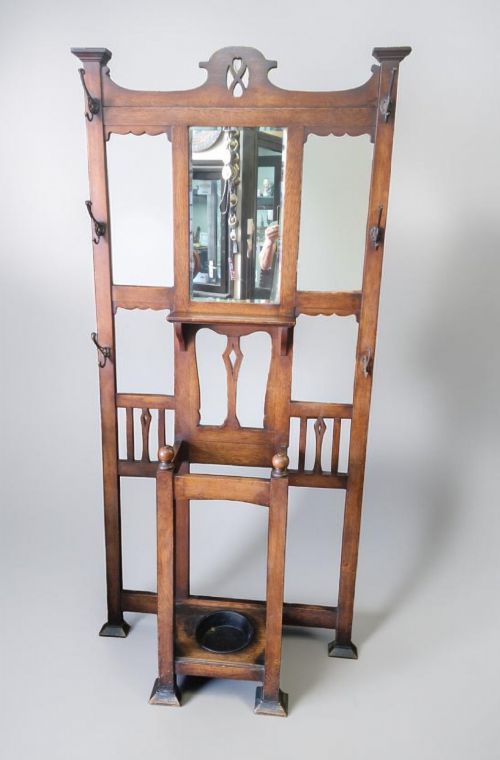
Wall-mounted racks and single hooks dominate smaller spaces, while larger architectural pieces combine umbrella stands, mirrors, and seating into unified hall furniture. Each format reflects the domestic priorities of its era, turning an everyday entryway essential into a focal point of interior design.
Materials and construction methods
Makers shaped these pieces primarily from solid hardwoods such as oak, walnut, mahogany, and linden wood, selecting timbers that responded well to deep hand-choking and relief carving. Artisans employed traditional joinery techniques, securing hooks and rails with dovetailed joints, wooden pegs, and robust metal brackets to ensure structural integrity under heavy daily use.
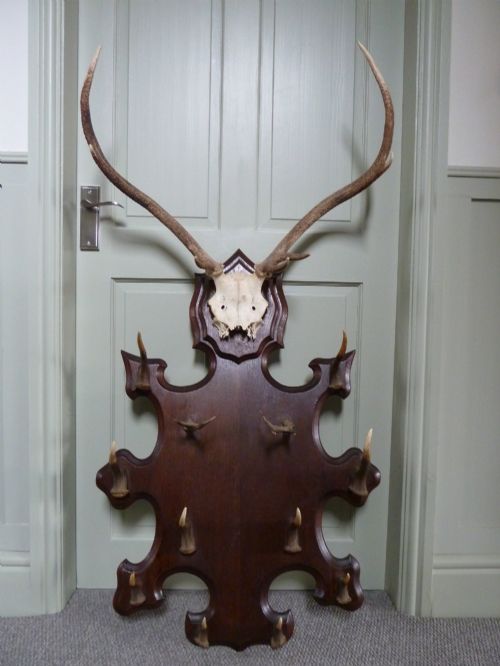
Surface ornamentation relied heavily on manual skill, utilising gouges and chisels to render naturalistic animal forms, foliate motifs, and geometric twists. In addition to carved wood, makers integrated taxidermy elements, animal horns, cast brass, wrought iron, and ceramic or glass inserts to create textural contrast and functional durability.
Carved Coat Hooks Retail Price Guide 2026
Typical asking prices for carved coat hooks among the pieces listed under this phrase on Sellingantiques today, from the lower quarter to the upper quarter. They describe what is for sale here now, not the wider market.
Evaluating craftsmanship and condition
Quality rests primarily in the depth, crispness, and anatomical accuracy of the hand-carved elements, distinguishing finely rendered animal heads or foliage from flat, mechanical reproduction work. Superior pieces retain integrated original fittings, such as matching brass, ceramic, or glass hooks, without later replacements or structural modifications.
The choice and preservation of timber dictate longevity, with dense grain and stable joinery preventing the warping often caused by fluctuating hallway temperatures. Well-preserved surface finishes, whether polished mahogany or natural waxed oak, demonstrate careful guardianship through generations of domestic service.
The Carved Coat Hooks Glossary
- Black Forest
- A style of wood carving originating from the mountainous regions of central Europe, characterised by deep, naturalistic depictions of animals, game, and foliage. These pieces often utilise linden wood.
- Hall stand
- A large piece of entrance furniture combining hat and coat hooks, a central mirror, glove boxes, and umbrella wells. They frequently incorporate carved panels and umbrella trays.
- Taxidermy mount
- The preservation and integration of animal horns, antlers, or entire heads into furniture design. Common examples feature deer, chamois, or stags arranged as wall hooks.
- Faux bamboo
- A decorative technique where hardwood is turned and painted or carved to imitate natural bamboo stalks. This style appeared frequently in nineteenth-century European interiors.
- Bevelled plate
- A mirror glass whose outer edges are angled down to create a thinner border. This traditional glasswork adds depth and reflection to wall racks and hall stands.
Carved Coat Hooks: Frequently Asked Questions
How do I mount a heavy wooden coat rack safely?
Heavy wooden racks require direct fixing into wall studs or solid masonry using appropriate heavy-duty screws and wall anchors. Because antique rails carry significant weight when loaded with garments, secure anchoring prevents pulling away from the plaster.
Distributing fixing points across the length of the backboard ensures the timber remains stable under tension. Consulting a professional installer is recommended for fragile linden wood or taxidermy pieces.
What is the difference between a hall rack and a hall stand?
Hall racks are wall-mounted units consisting of a wooden board fitted with hooks and occasionally a mirror or small shelf. They are designed for compact spaces and require minimal floor footprint.
Hall stands are freestanding pieces of furniture that combine coat hooks, a mirror, umbrella retention, and sometimes a bench seat or storage compartment. They formed the architectural centrepiece of Victorian and Edwardian entrance halls.
How should I clean and maintain carved wooden hooks?
Dust carved surfaces regularly with a soft, dry brush to prevent dirt accumulation within the intricate recesses of the carving. Avoid chemical sprays or excess water, which can degrade historic wood finishes and loosen glued joints.
Applying a microcrystalline wax periodically helps nourish the timber and protect the surface from moisture. Gentle handling preserves the original patina and prevents wear on fragile protruding details.
How can I tell a nineteenth-century piece from a later reproduction?
Nineteenth-century pieces typically display hand-cut joinery, older screw types, and timber patination consistent with age and use. Tool marks within the carving and natural shrinkage cracks offer evidence of authentic period production.
Later copies often feature uniform machine tooling, modern fixings, and artificial distressing applied to simulate age. Examining the backboards and mounting points usually reveals the true construction era.